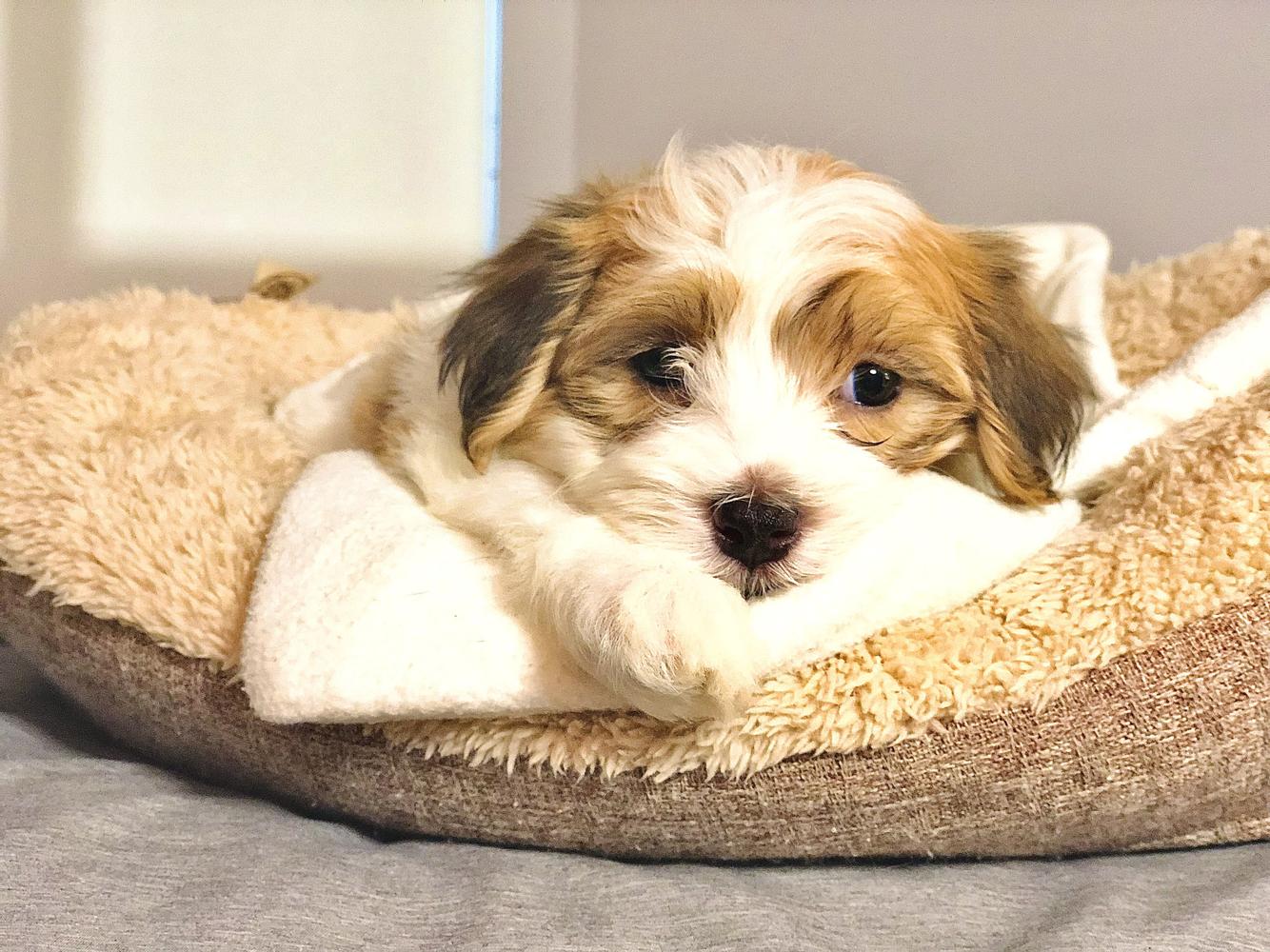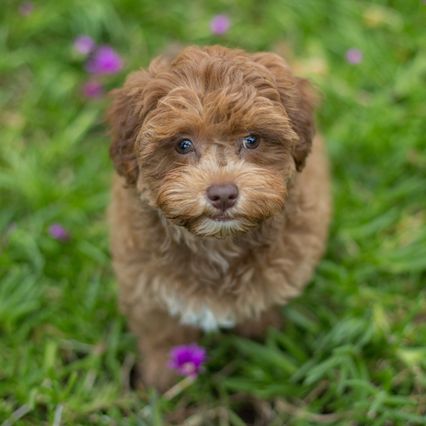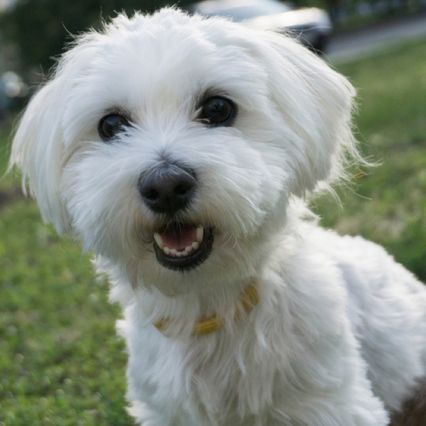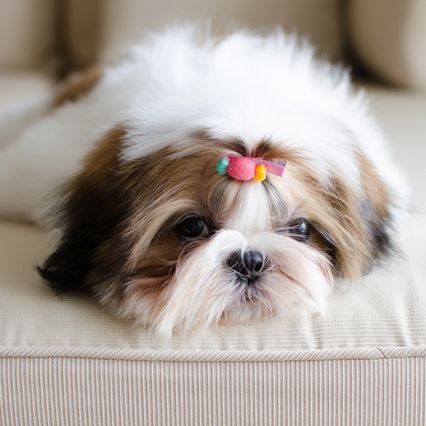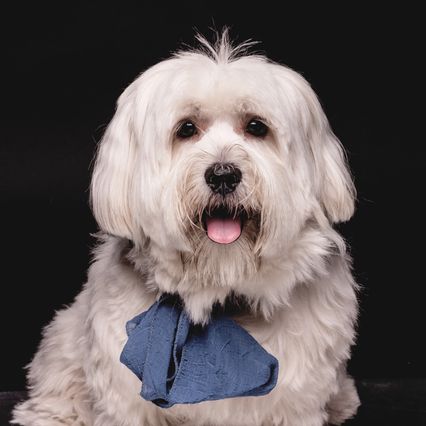
Adorable Havanese looks up into the camera
Get to know

Havanese

Written by
Caroline Coile, Ph.D.,
 author of 34 dog books.
Written by
Caroline Coile, Ph.D.,
 author of 34 dog books, including the top-selling Barron's Encyclopedia of Dog Breeds.
| | | | |

A Havanese is the dog version of an antidepressant.

The Havanese is Cuba’s best ambassador, a friend to all who isn’t afraid to show it—and that’s why it’s one of the fastest growing American Kennel Club (AKC) breeds in terms of popularity.
Browse available puppies

Connect with reputable breeders to find the dog of your dreams

At a glance

Low Energy

Energy level

2/5

High Maintenance

Grooming

5/5

Extra small

Size

Happy, affectionate, exuberant

Temperament

14-16 years

Lifespan

Quick to Learn

Training

4/5

Vocal

Barking

4/5

At a glance

  • Energy level

    Low Energy

  • Grooming

    High Maintenance

  • Size

    Extra small

  • Temperament

    Happy, affectionate, exuberant

  • Lifespan

    14-16 years

  • Training

    Quick to Learn

  • Barking

    Vocal

Why people love the breed

People love Havanese because Havanese love people. They love their family but don’t discriminate just because somebody’s not family.
Havanese are naturally happy and they want to share that happiness with everyone in sight. They are not shy about demonstrating their joy, and they will do their best to make sure you are just as joyful. A Havanese will save you thousands in therapy fees—they’re like an antidepressant covered in fur. They love to love, and love to play, cuddle and kiss, as long as their favorite person (or pretty much anyone else) is part of their party. They’re great with kids, toddlers, the elderly, other dogs, other pets, burglars, and probably aliens and Bigfoot. In short, they like everyone.

Appearance

Tha Havanese has a tousled, roguish look, a small, short legged dog that is light on its feet, with tail held jauntily over its back.
The Havanese is slightly longer than tall, and is unusual in that its topline slopes upward from its withers to its rump. The tail is set high and is carried gaily over the back. The head has a medium-length muzzle, with large, almond shaped eyes, and high-set drop ears. The head and face are covered with abundant hair. The gait is happy and springy, the dog very light on its feet. The coat of the Havanese is lightweight, offering insulation against the hot Cuban climate. It has a soft undercoat with a slightly harder but lightweight outer coat. The outer coat is profuse and can reach long lengths. It does not drape over the body but tends to be somewhat flyaway. The coat can be straight to curly, with wavy preferred. The curly coat can be encouraged to cord, so that it hangs in long carefully separated mop-like strands. The Havanese coat should never be shaped or groomed to be too perfect. The breed is supposed to look naturally tousled. Any solid color, or combination of colors, is allowed.

Grooming

The Havanese coat doesn't require professional grooming, but it does require diligent home grooming.
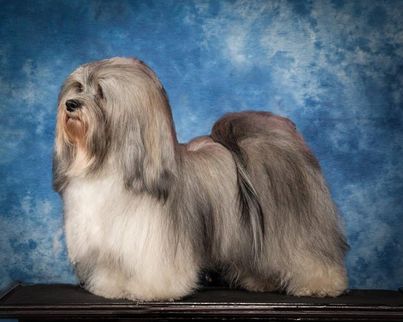
Because of its light weight, the coat has a tendency to tangle and mat. Missing a day of brushing can result in lots of work the next day. Missing a week or more may result in such a tangled mess that you may lose lots of coat. The coat also needs regular bathing. The beard can collect saliva and food or other debris and should be rinsed frequently. Because of the coat care, many owners decide they’d be happier having a professional groomer clip their Havanese into a short companion cut that will alleviate much of the brushing. In this case, the groomer will need to clip the dog every two to four weeks. While it’s true clipped Havanese do lose part of their breed appeal, it’s their personality more than their hair that causes their people to fall in love. Clip the toenails as needed, brush the teeth daily, and check the ears for debris weekly.
Well groomed Havanese stacked on a table
Img:

TaLyn

Breed temperament and characteristics

It’s impossible to describe the Havanese personality without smiling. Their joy is infectious, and their aim is to spread it everywhere.
These little dogs love to have fun. They especially enjoy games with people, but are equally able to entertain themselves. They are fun-loving but gentle children’s playmates, cuddly companions for the elderly, and adventurous partners for adults. Few dogs are as well suited to the role of therapy dog as is the Havanese. They are ready to shower people with kisses, amuse them with tricks, or just snuggle up next to them and let them feel secure. One of the Havanese early roles was as street performer, and they still love to learn tricks and show them off. They are smart and willing to please. Havanese are definitely lovers, not fighters. They want everyone, really everyone, to be their BFFs.

Exercise

Small but energetic, Havanese need a lot of activities, but they can meet their exercise needs inside or in any smaller space if needed.
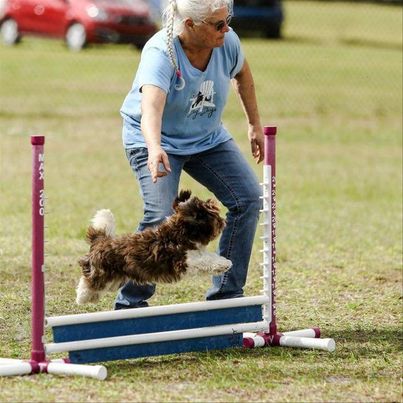
A typical Havanese can exercise running back and forth inside all day. But they will definitely prefer it if you take them outside, either for some games in the yard or a walk around the block. They need not jog, and in fact shouldn’t be pushed to go too far as they are small dogs. They are too small to go to dog parks unless there are “small dog only” sections. Many people like to roll their Havanese around in a doggy stroller. This can be a great idea in places where the dog could otherwise be stepped on by crowds or bothered by other dogs. But don’t make a habit of pushing your Havanese everywhere, as walking on their own legs is important. They enjoy any interactive game, including fetch and tug. Their coat precludes them from swimming unless clipped. Favorite organized dog sports are agility, nose work, and trick dog competitions.
Img:

Lil Scamps Havanese

Training

Havanese are a delight to train. They are happy to please and love to show off.
The Havanese was originally bred as a companion and performer, both roles that required biddability. They are very reward motivated, either by treats, games, or even praise. Force training, though, will shut them down as they are very sensitive. Havanese excel at trick dog, obedience, and agility competitions, all venues in which it’s important to be quick, happy, attentive, and responsive. Like all small dogs, they can take a bit longer to housetrain than some larger breeds. They should also be socialized to ensure they are used to being around bigger dogs.

Diet and nutrition

Havanese need no special diets, but should optimally eat food sized for small dogs.
Havanese will thrive on both high-quality commercial or home-prepared foods (only following consultation with a veterinary nutritionist). When choosing between commercial kibbles, choose one especially formulated for small dogs. . Feed small puppies often, decreasing frequency around 4 months of age. Though they have a sturdy build, Havanese should not be overweight. Be sure to feel beneath the coat to make sure the dog has an hourglass figure from all angles, and that it’s not covered with fat. Neutered and spayed dogs have a tendency to gain more weight. Havanese as a breed generally have no predisposition to health conditions that require specialized diets, but any dog can develop such a condition. Your veterinarian can advise you.
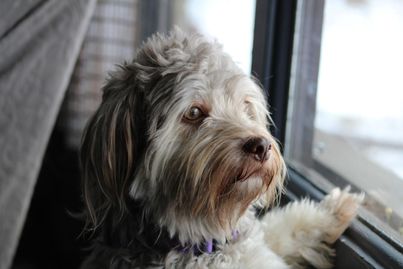
Havanese with purple collar on stares out a window
Img:

PT Havanese

Health issues

Most Havanese live healthy lives, but a few conditions show up at a slightly higher than average frequency compared to other breeds.

Lifespan: 14 to 16 years.

Hip dysplasia

A complex condition involving both genetic and environmental factors that arises when the head of the femur doesn’t fit in the pelvic socket, causing arthritis and lameness. No genetic test is available to date, therefore, the recommended screening test is x-rays.

Patellar luxation

In which the kneecap slips out of the groove in which it should be nested, causes lameness and arthritic changes. It occurs mostly in small breed dogs. Screening involves an examination and grading of the degree of luxation present registered with OFA.

Other health issues

Havanese are at increased risk for ocular diseases including cataracts, persistent pupillary membranes, and distichiasis, among others.

Learn more about health issues that may impact Havanese

History

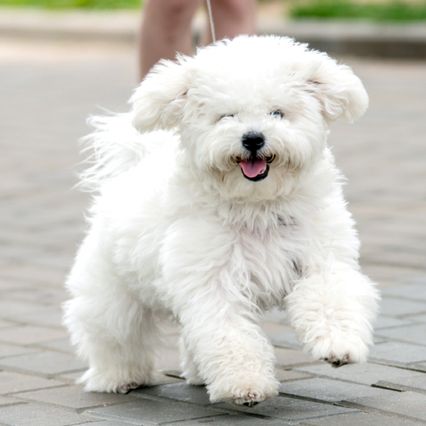
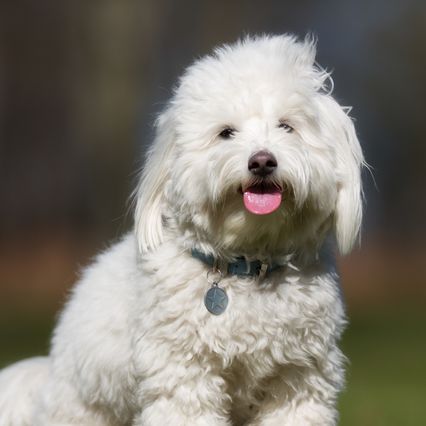
According to DNA, the Havanese is closely related to the Maltese and Bichon Frise. It descends from the barbichon, or bichon, family of Mediterranean breeds.
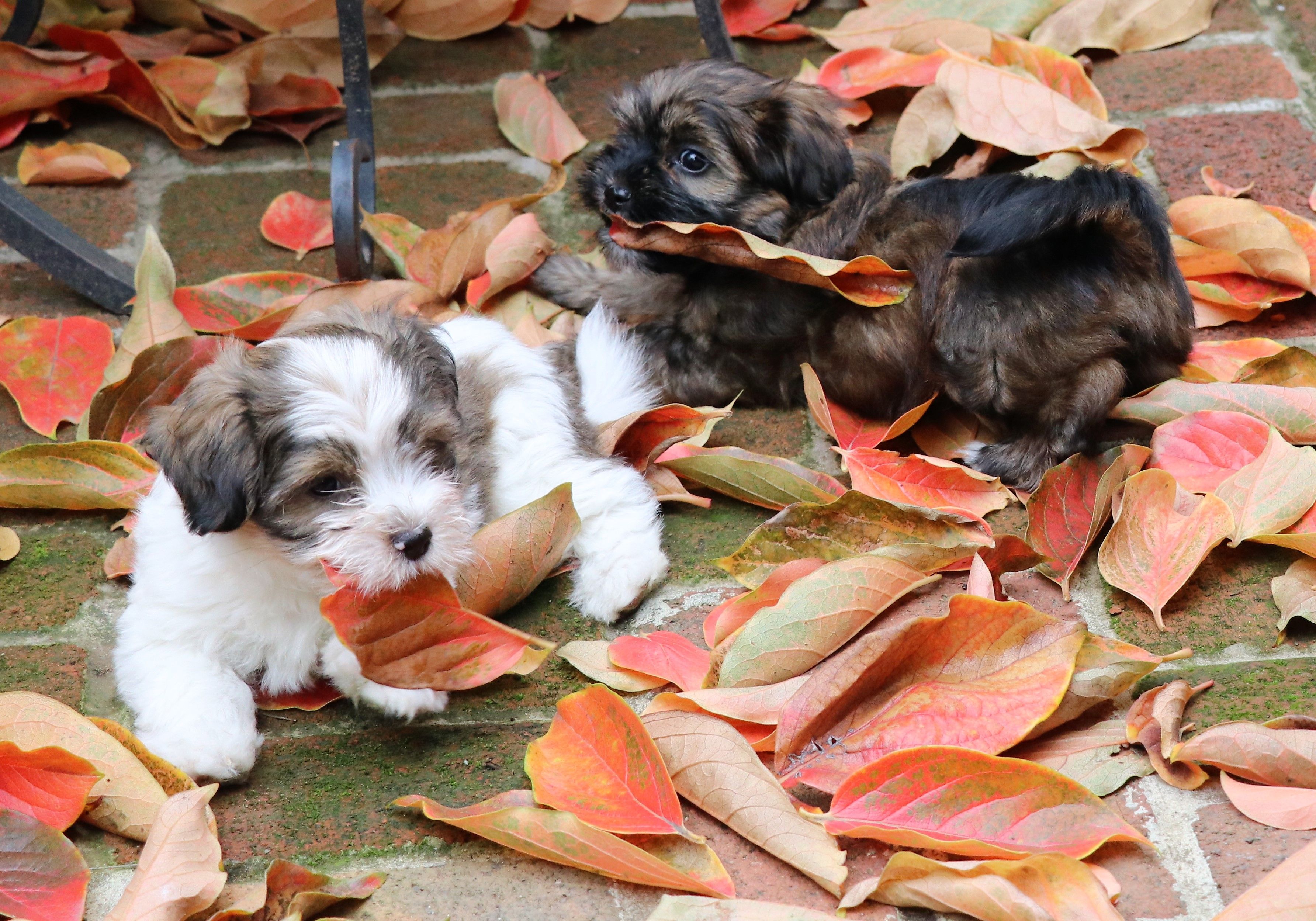
Maritime traders from Tenerife brought their ancestors to Cuba. They’ve been called the Havana Silk Dog, Habanero, and White Cuban. They became popular as pets of the Cuban wealthy, and later traveled to Europe and were even more popular with the upper class there. The Havanese is the national dog of Cuba, and the only breed originating there. The breed came to the United States of America in the 1950s. The AKC recognized them in 1999. Owners include Queen Victoria, Charles Dickens, Barbara Walters, Venus Williams, , Heidi Klum, and Ernest Hemmingway.
About the author

Canine specialist, Caroline Coile, Ph.D., is the author of 34 dog books, including the top-selling Barron's Encyclopedia of Dog Breeds. She’s written thousands of magazine and web articles about dogs. She specializes in canine science, health, breeds and competitions. Caroline has won 20 national dog-writing awards, and was a 2015 Inductee into the Dog Writers Association of America Hall of Fame.

Breed Scorecard

Characteristics and temperament
  • Affectionate with family

    5

  • Watchdog level

    3

  • Playfulness

    5

  • Adaptability

    4

  • Social needs

    5

  • Temperament

    Happy, affectionate, exuberant

  • Intelligence

    3

  • Good with other dogs

    5

  • Good with cats or other pets

    5

  • Friendly with strangers

    5

  • Good as a service dog

    3

  • Good for apartments

    5

  • Barking level

    4

Appearance
  • Height

    8-11"

  • Size

    Extra small

  • Colors

    Black and white, White, Cream, Gold, Red, Chocolate, Silver, Blue, Black, Fawn, Red brindle, Red sable, Black brindle, Silver brindle, Chocolate brindle, Gold brindle, Silver sable, Gold sable, Blue brindle, Fawn sable, Black and silver, Black and tan, Chocolate sable, Black and tan brindle, Black and silver brindle, Fawn brindle

  • Coat texture

    Soft, bearded, straight to wavy

  • Coat length

    Long

Training
  • Trainability

    4

Exercise
  • Exercise needs

    2

  • Exercise time

    About an hour a day

  • Mental exercise needs

    4

  • Favorite activities

    Tricks

Grooming
  • Grooming needs

    5

  • Brushing frequency

    Daily

  • Needs professional grooming?

    Yes

  • Drooling level

    1

Health issues
  • Hip dysplasia

  • Patellar luxation

  • Other health issues

Other
  • Bred for

    Companionship

  • Country of origin

    Cuba

  • Popularity level

    5

FAQs

  • On Good Dog, you can search for Havanese puppies or dogs in rescues and shelters. Adopting a Havanese from a shelter or rescue is generally less expensive than buying a puppy from a breeder with ethical practices. Across the United States, there are dedicated rescues that specialize in specific breeds and may even help transport a Havanese dog to you from another part of the country. Although it can be more cost-effective, adopting the exact breed you're looking for is typically more difficult than working with a responsible breeder. Learn more about adopting a dog from a shelter or rescue.

  • Not unless clipped. A Havanese with a full coat requires daily brushing of the entire coat and almost daily rinsing of parts of the coat.

  • Havanese breeders are more diligent than most in performing health testing of parents to ensure healthy puppies. This testing adds expense to the cost of the litter. In addition, they tend to have small litters. Breeders must charge enough to cover their costs.

  • Havanese are great house dogs, generally clean and well-mannered. They even make great apartment dogs.

  • Prices for Havanese puppies for sale vary by breeder and individual puppy. On Good Dog today, Havanese puppies are typically around $2,380. Because all breeding programs are different, you may find dogs for sale outside that price range.
Caroline Coile, Ph.D.

Caroline Coile specializes in canine science, health, breeds and competitions. Caroline has won 20 national dog-writing awards, and was a 2015 Inductee into the Dog Writers Association of America Hall of Fame. She’s written thousands of magazine and web articles about dogs in addition to 34 dog books.

Content on Good Dog is generated, fact-checked, and evaluated by qualified writers and veterinarians.

Caroline Coile, Ph.D.

Caroline Coile specializes in canine science, health, breeds and competitions. Caroline has won 20 national dog-writing awards, and was a 2015 Inductee into the Dog Writers Association of America Hall of Fame. She’s written thousands of magazine and web articles about dogs in addition to 34 dog books.

Content on Good Dog is generated, fact-checked, and evaluated by qualified writers and veterinarians.