Sugar Fig Kennel


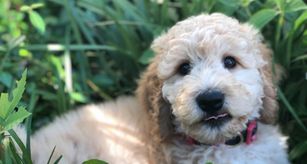

- Cleburne, TX ·
Meet the breeder
I'm Candis B., the breeder behind Sugar Fig Kennel located in Cleburne, TX. We are a small, family-run kennel that specializes in breeding healthy Doodle puppies with great temperaments. F1bb Goldendoodles and F1b American Labradoodles. (Our breeding program is now closed.).

Q. & A. with Candis
Why did you start breeding?
A friend of mine is a breeder and I liked what I saw. After researching the field, I saw the ways I could benefit the market through excellent practices. Staying small is part of our business model so that we never lose the focus on health and temperament.What makes your program special?
We focus on nurture, health, temperament, efficiency, and cleanliness. We are always learning so we can improve. We offer support for our buyers as needed and pursue integrity in all we do.What are the different breed sizes in your program?
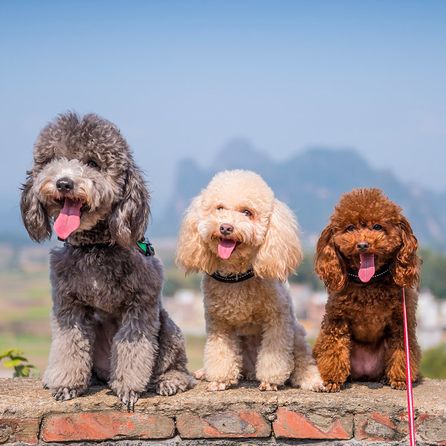
Our Poodle puppies are standard size. Labradoodle puppies include medium and standard sizes. Goldendoodle puppies include medium and standard sizes. Sizes will vary depending on the parent dogs.What are the different breed coat colors in your program?
Our Poodle puppies include apricot and red. Labradoodle puppies include cream, chocolate, and black. Goldendoodle puppies include cream, apricot, chocolate, and parti. Colors will vary depending on the parent dogs.Where do your breeding dogs live?
They live in my home.
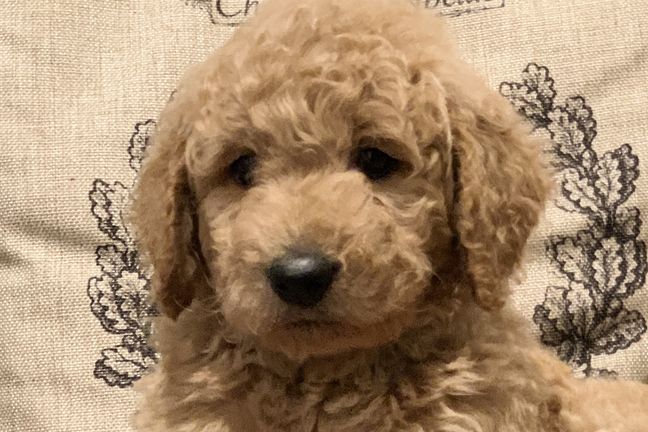
Matched dogs
These dogs are already reserved or have gone home.

Minnie
Went homeFemale
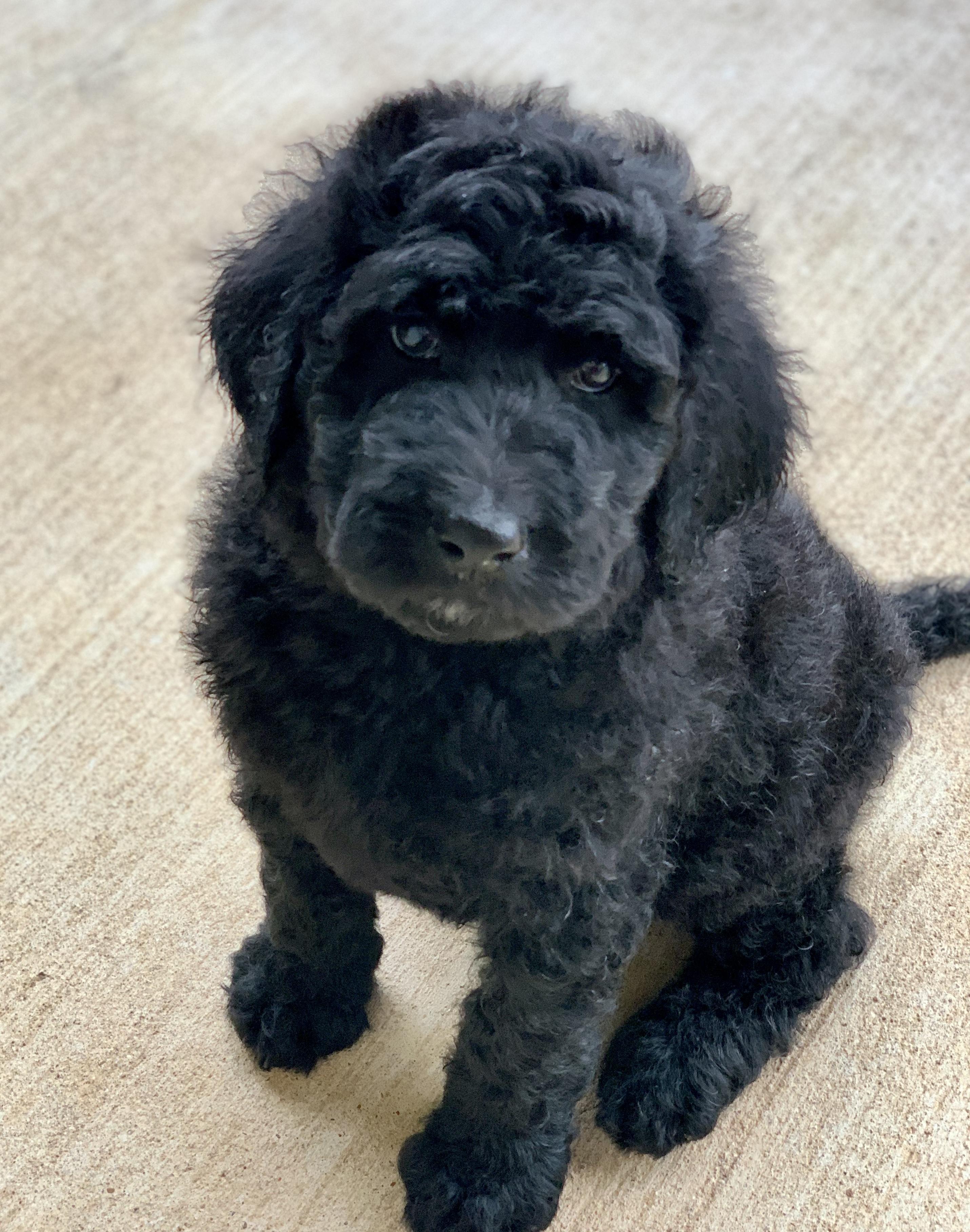-goldendoodle-puppy-in-cleburne-texas-from-sugar-fig-kennel.jpg?bounds=275-481x2696-2097&rotate=0&type=dog&crop=334x276)
Shiloh (Jasper)
Went homeMale
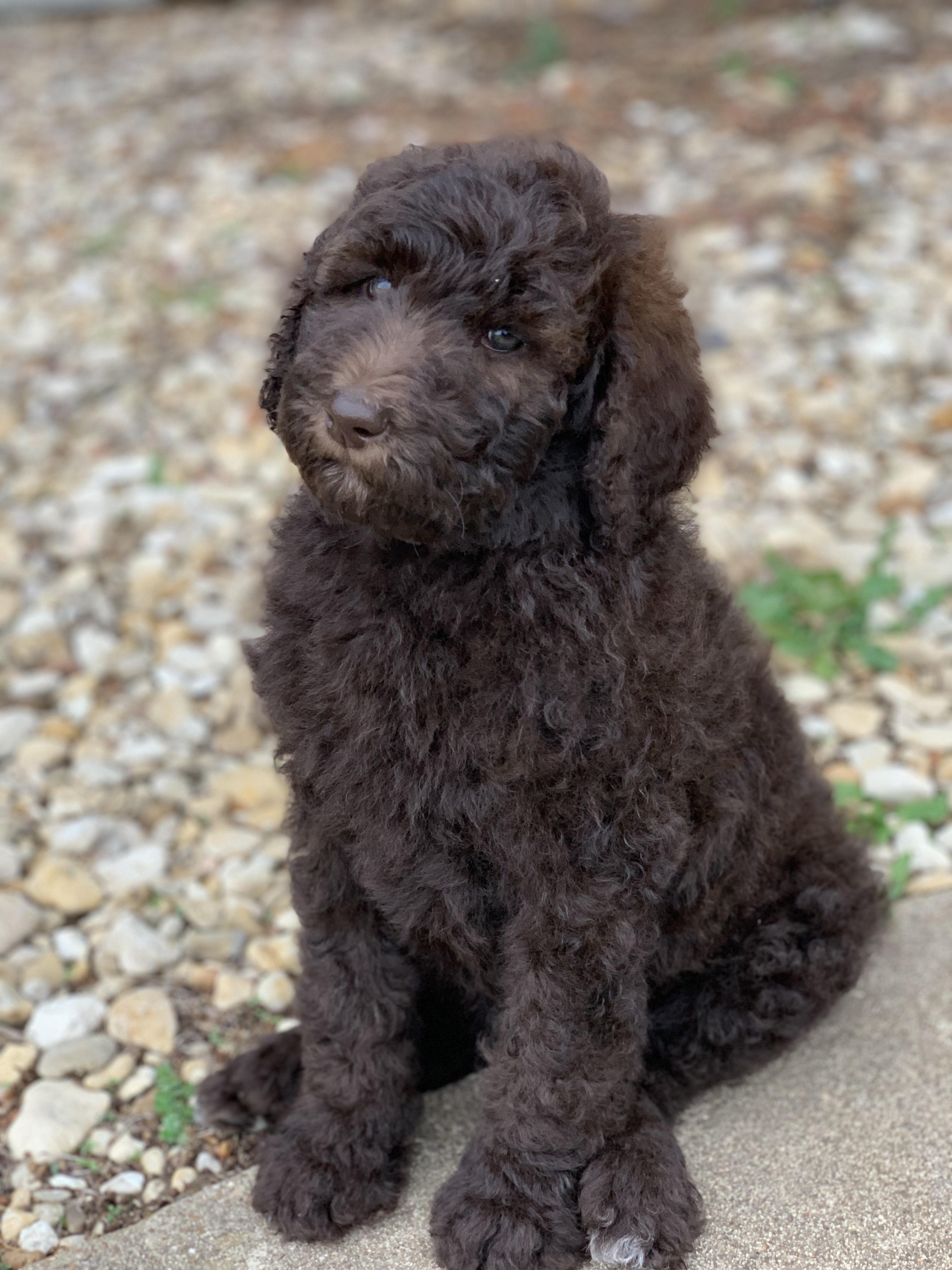-goldendoodle-puppy-in-cleburne-texas-from-sugar-fig-kennel.jpg?bounds=279-454x2838-2161&rotate=0&type=dog&crop=334x276)
Mocha (Tootsie)
Went homeFemale
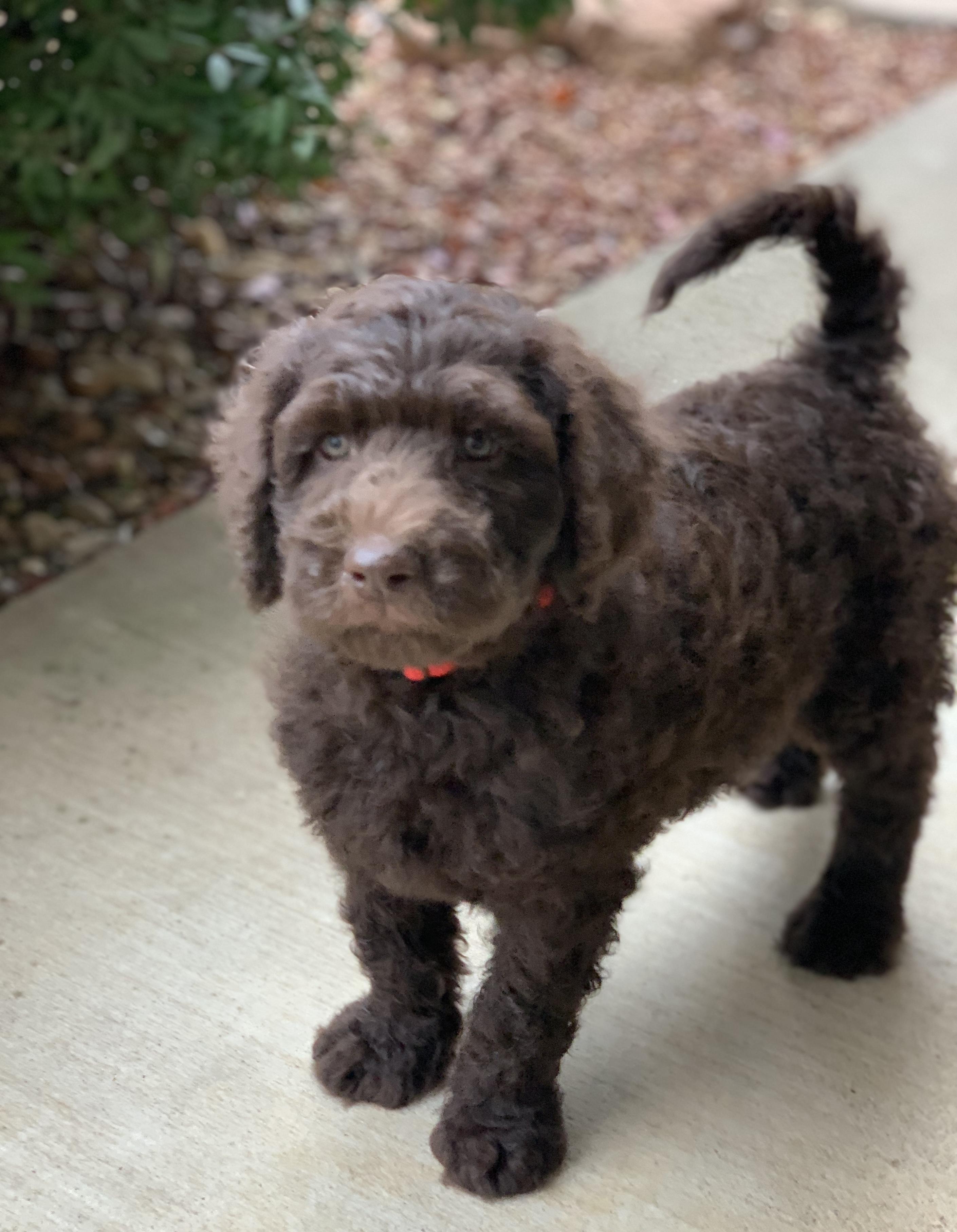-goldendoodle-puppy-in-cleburne-texas-from-sugar-fig-kennel.jpg?bounds=423-813x2809-2406&rotate=0&type=dog&crop=334x276)
Milo (Copper)
Went homeMale
Cleo
Went homeFemale

Penny
Went homeFemale
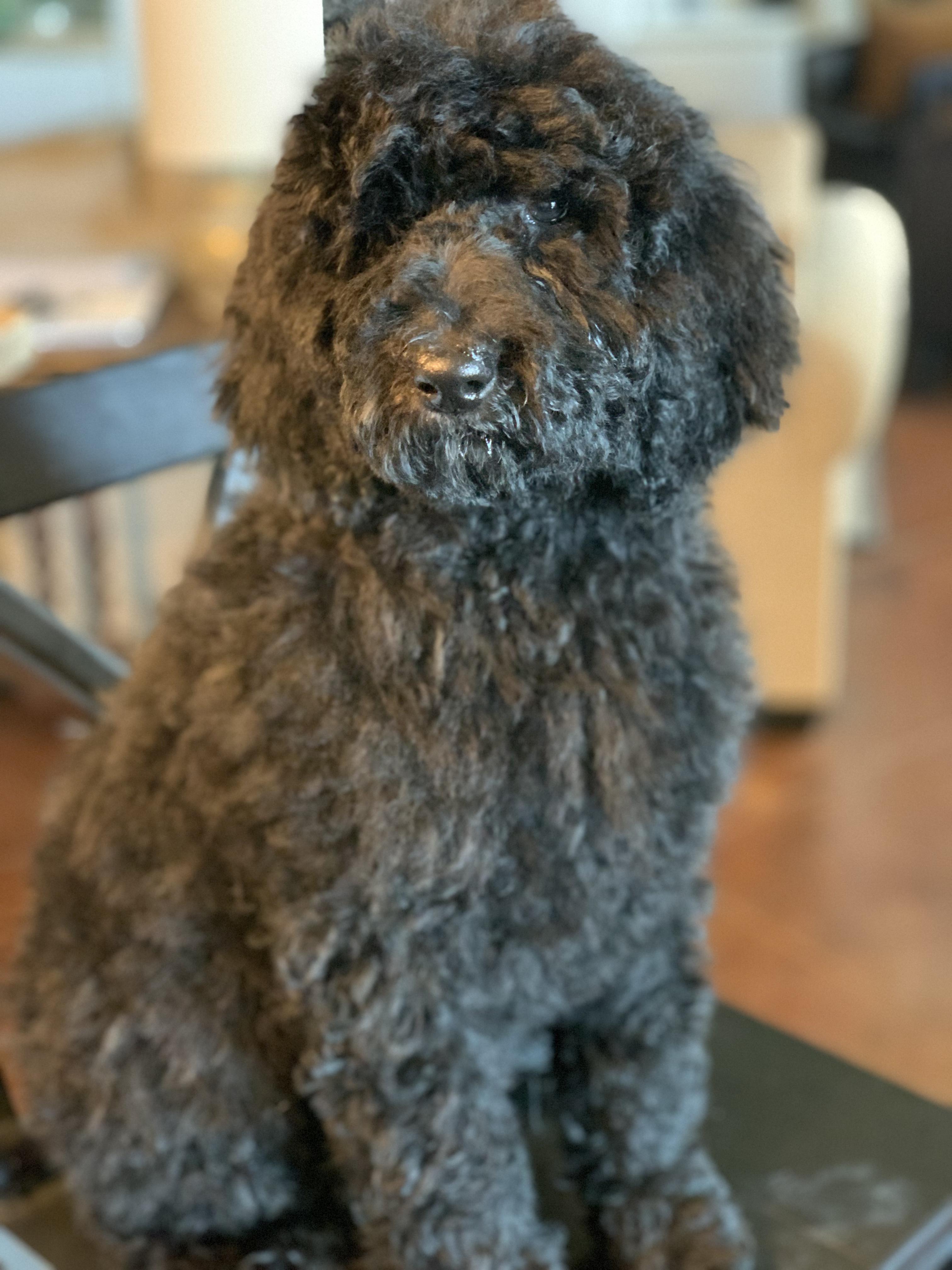-goldendoodle-puppy-in-cleburne-texas-from-sugar-fig-kennel.jpg?bounds=338-117x2896-1824&rotate=0&type=dog&crop=334x276)
Lacey (Carter)
Went homeFemale
Luna
Went homeFemale
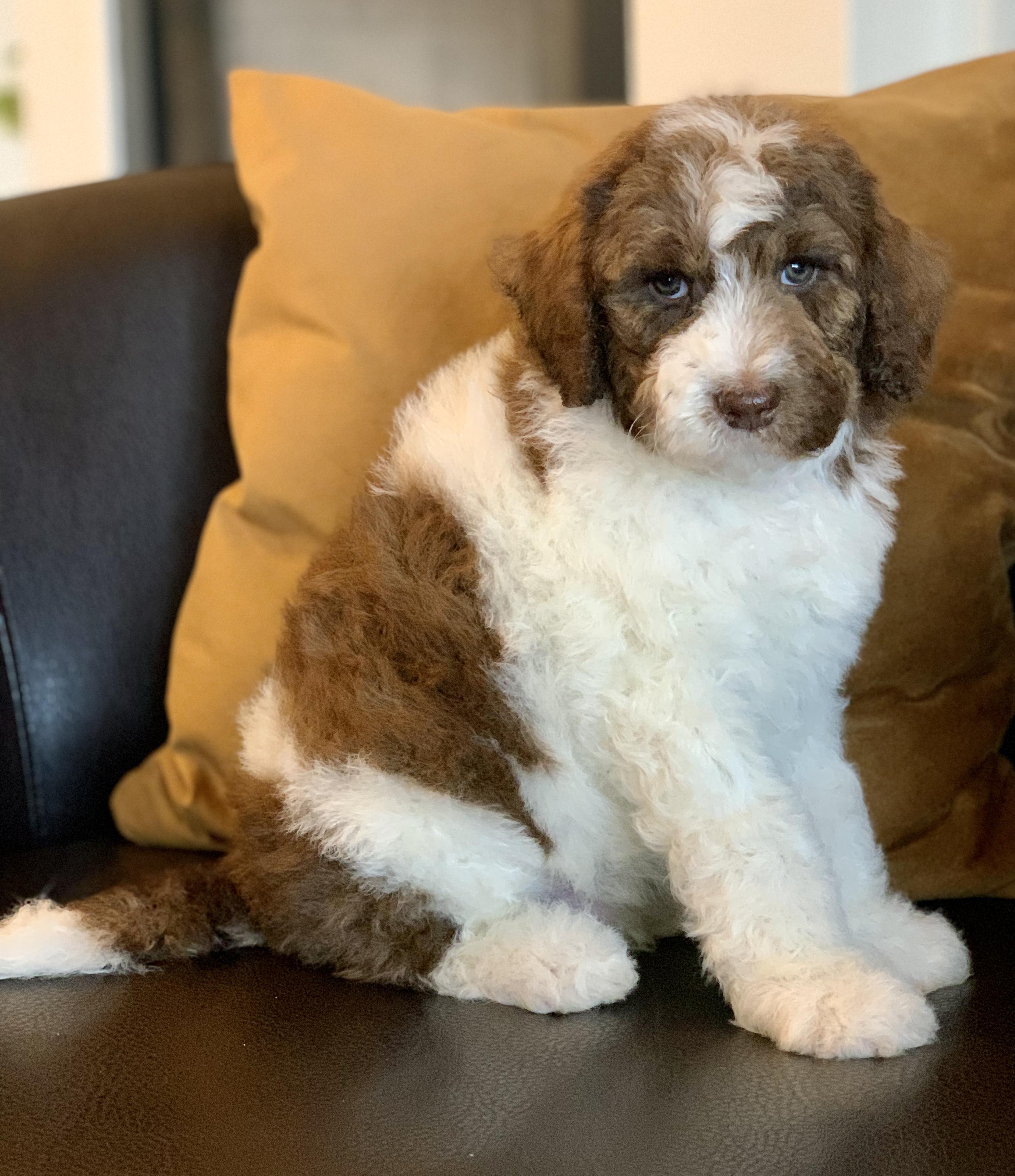-labradoodle-puppy-in-cleburne-texas-from-sugar-fig-kennel.jpg?bounds=270-464x2739-2112&rotate=0&type=dog&crop=334x276)
Duke (Theo)
Went homeMale
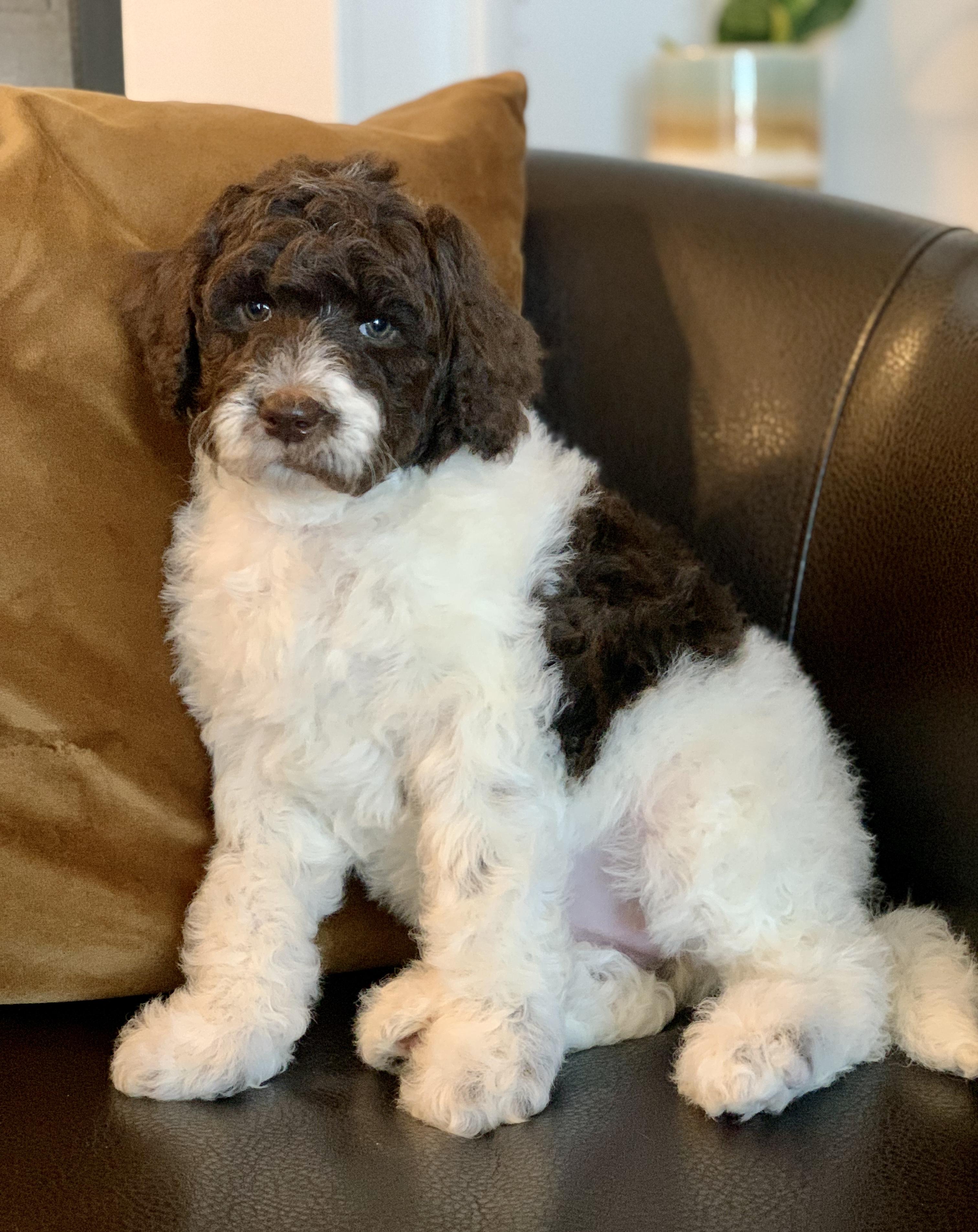-labradoodle-puppy-in-cleburne-texas-from-sugar-fig-kennel.jpg?bounds=140-460x2698-2167&rotate=0&type=dog&crop=334x276)
Oreo (Sage)
Went homeFemale

Cowboy
Went homeMale

Velvet
Went homeFemale

Celeste
Went homeFemale

Truffle
Went homeFemale
Sugar
Went homeFemale

Bruno
Went homeMale
Olaf
Went homeMale

Misty
Went homeFemale
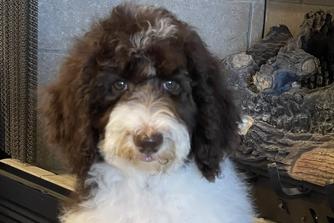
Nala
Went homeFemale
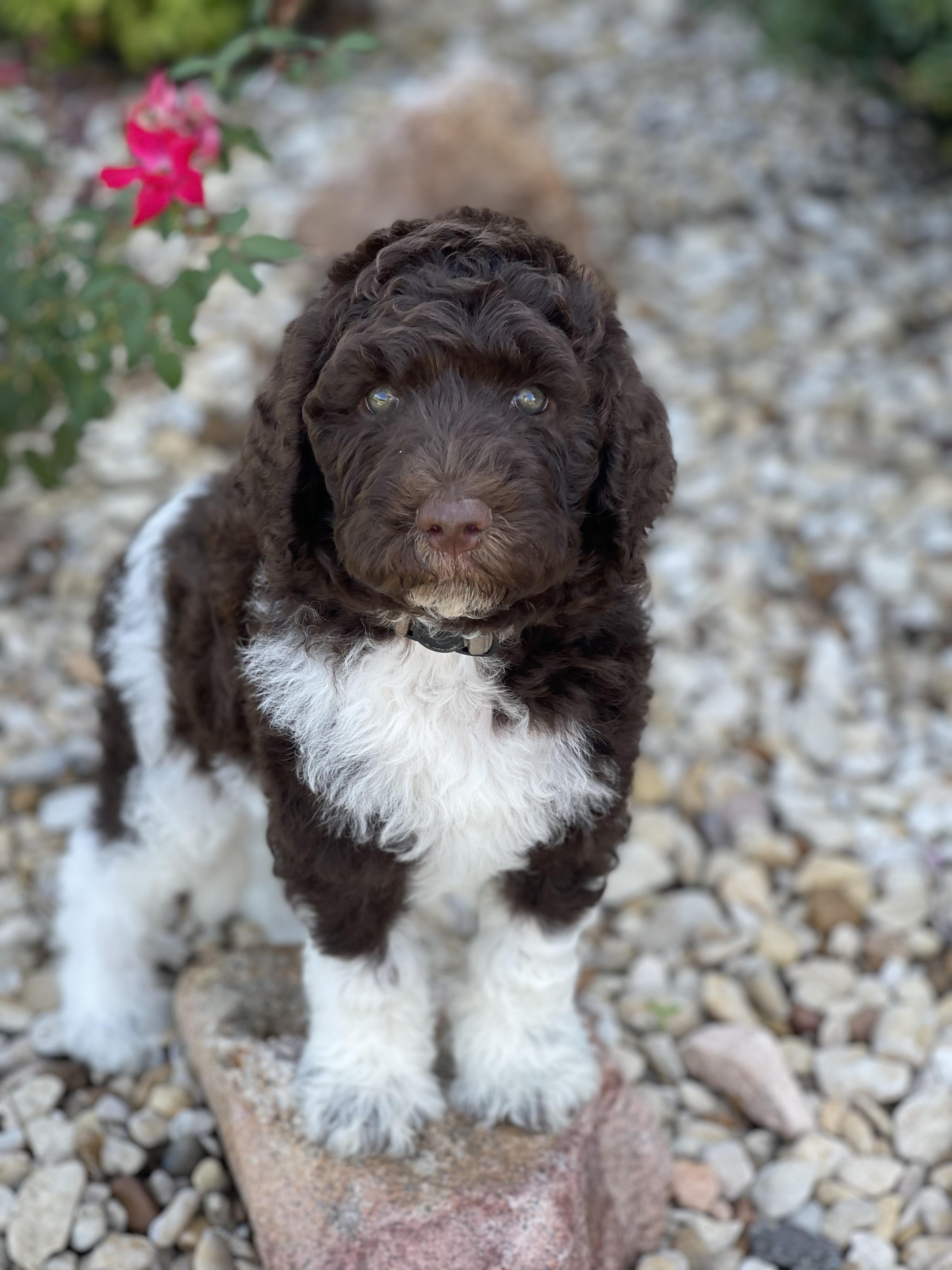-labradoodle-puppy-in-cleburne-texas-from-sugar-fig-kennel.jpg?bounds=35-733x2593-2440&rotate=0&type=dog&crop=334x276)
Maximus (Remy)
Went homeMale

Flash
Went homeMale
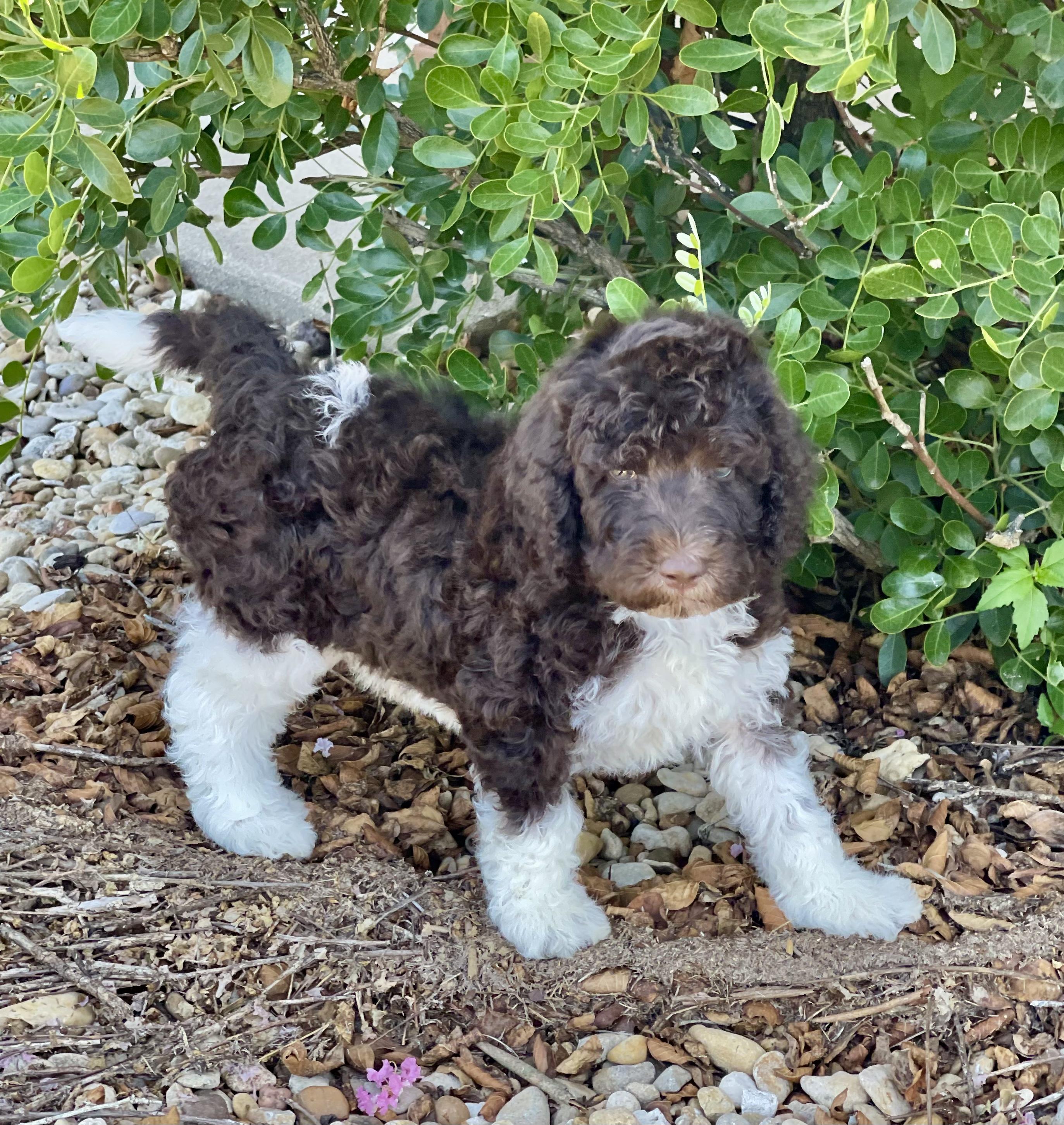-labradoodle-puppy-in-cleburne-texas-from-sugar-fig-kennel.jpg?bounds=42-677x2366-2228&rotate=0&type=dog&crop=334x276)
Woody (Hudson)
Went homeMale

Kiwi
Went homeFemale

Rocky
Went homeMale
Lady
Went homeFemale
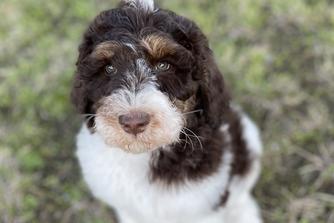
Milo
Went homeMale

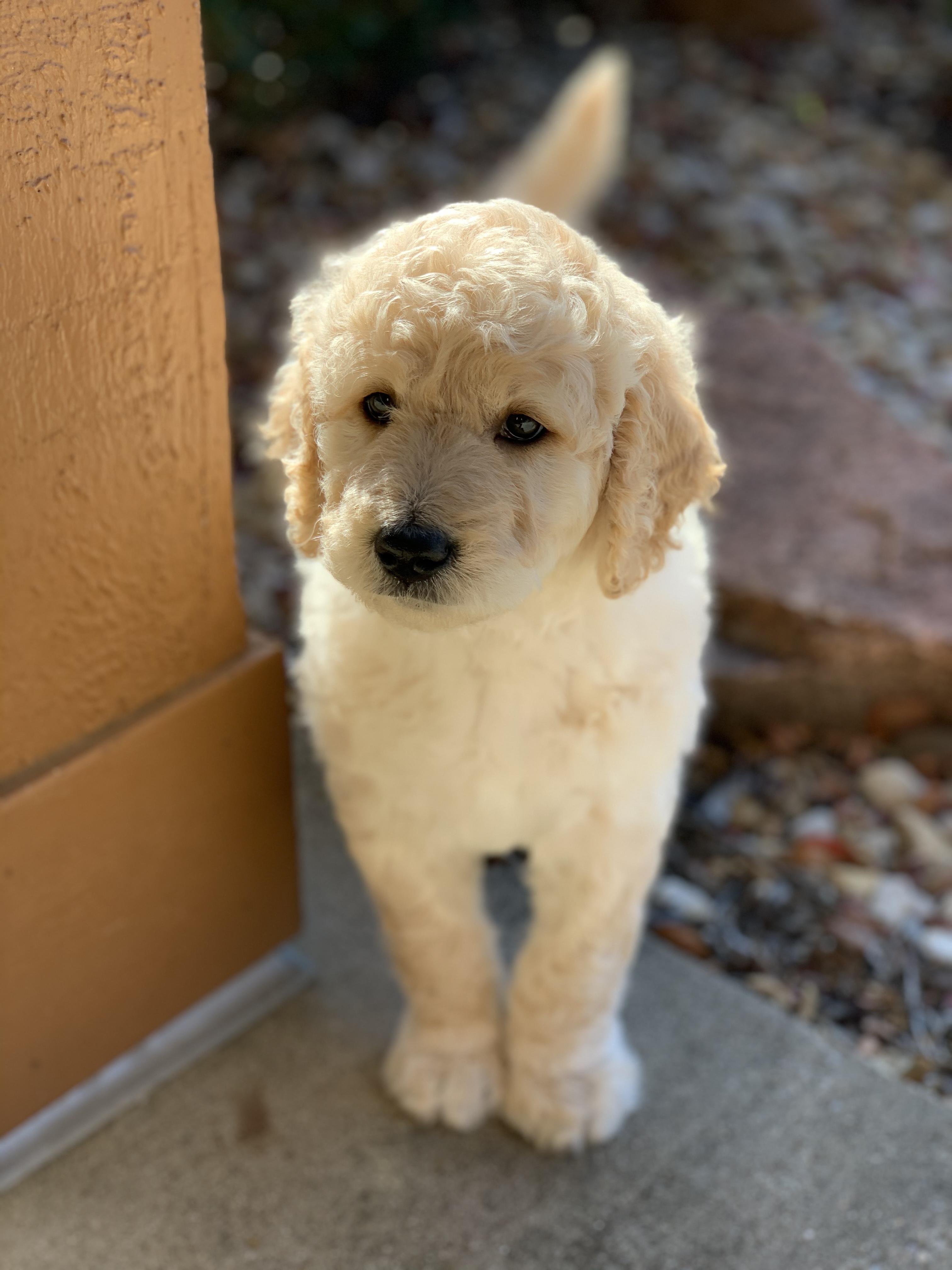
Coco
Went homeFemale
-goldendoodle-puppy-in-cleburne-texas-from-sugar-fig-kennel.jpg?bounds=261-613x2782-2294&rotate=0&type=dog&crop=334x276)
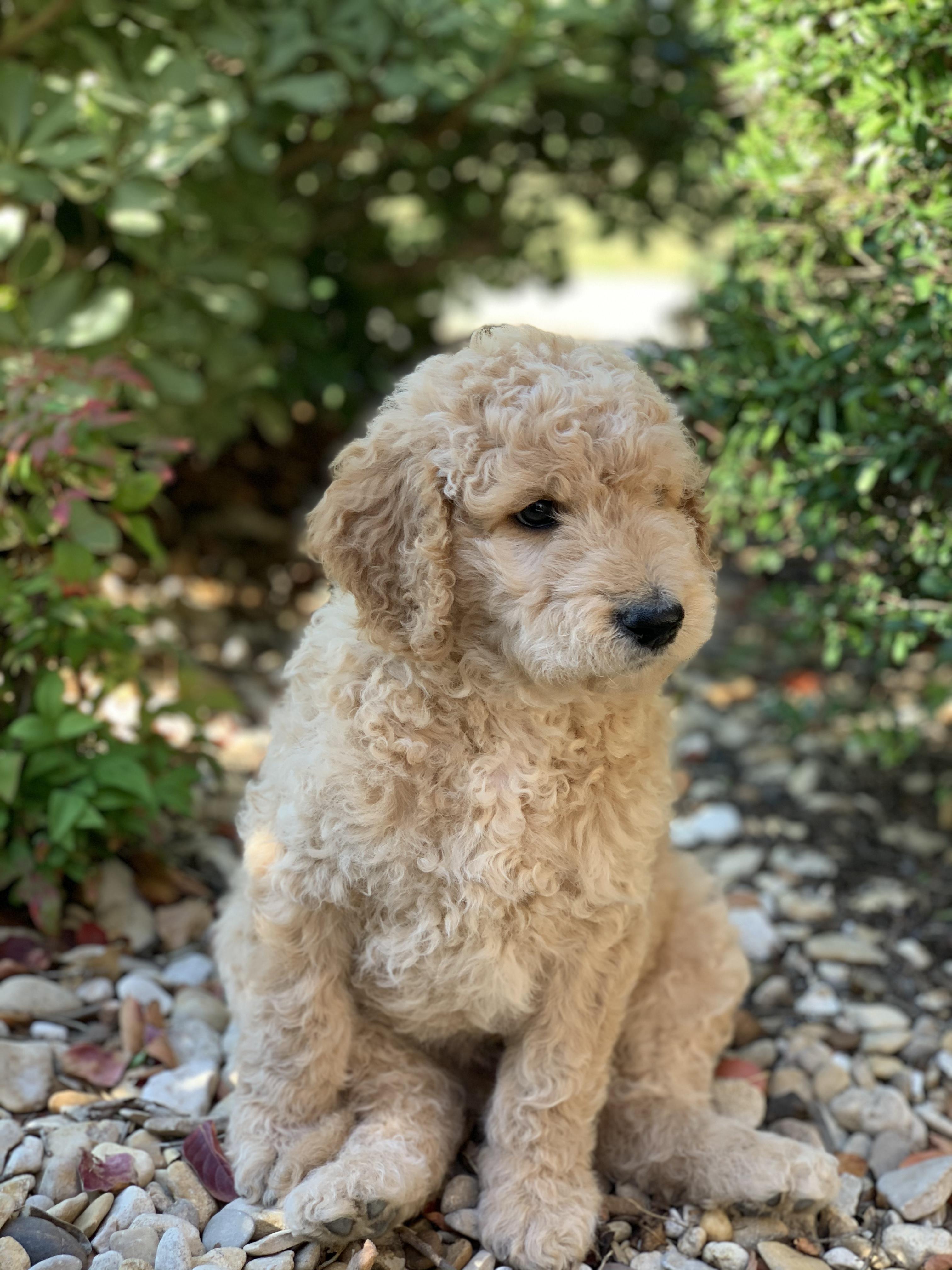
Journee (Ivy)
Went homeFemale
-goldendoodle-puppy-in-cleburne-texas-from-sugar-fig-kennel.jpg?bounds=253-975x2774-2655&rotate=0&type=dog&crop=334x276)
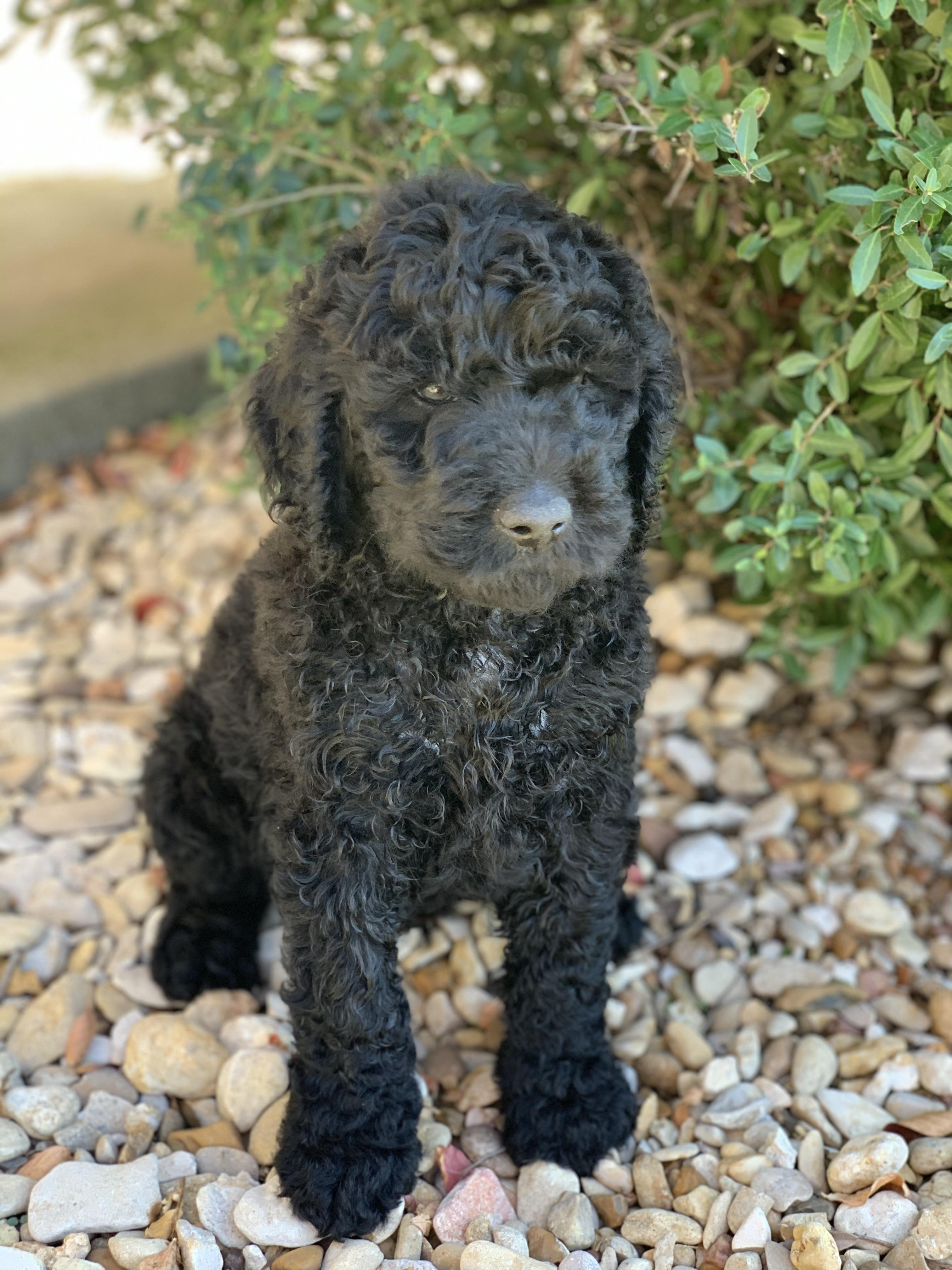
Moxie (Bear)
Went homeMale
-goldendoodle-puppy-in-cleburne-texas-from-sugar-fig-kennel.jpg?bounds=278-520x2799-2201&rotate=0&type=dog&crop=334x276)
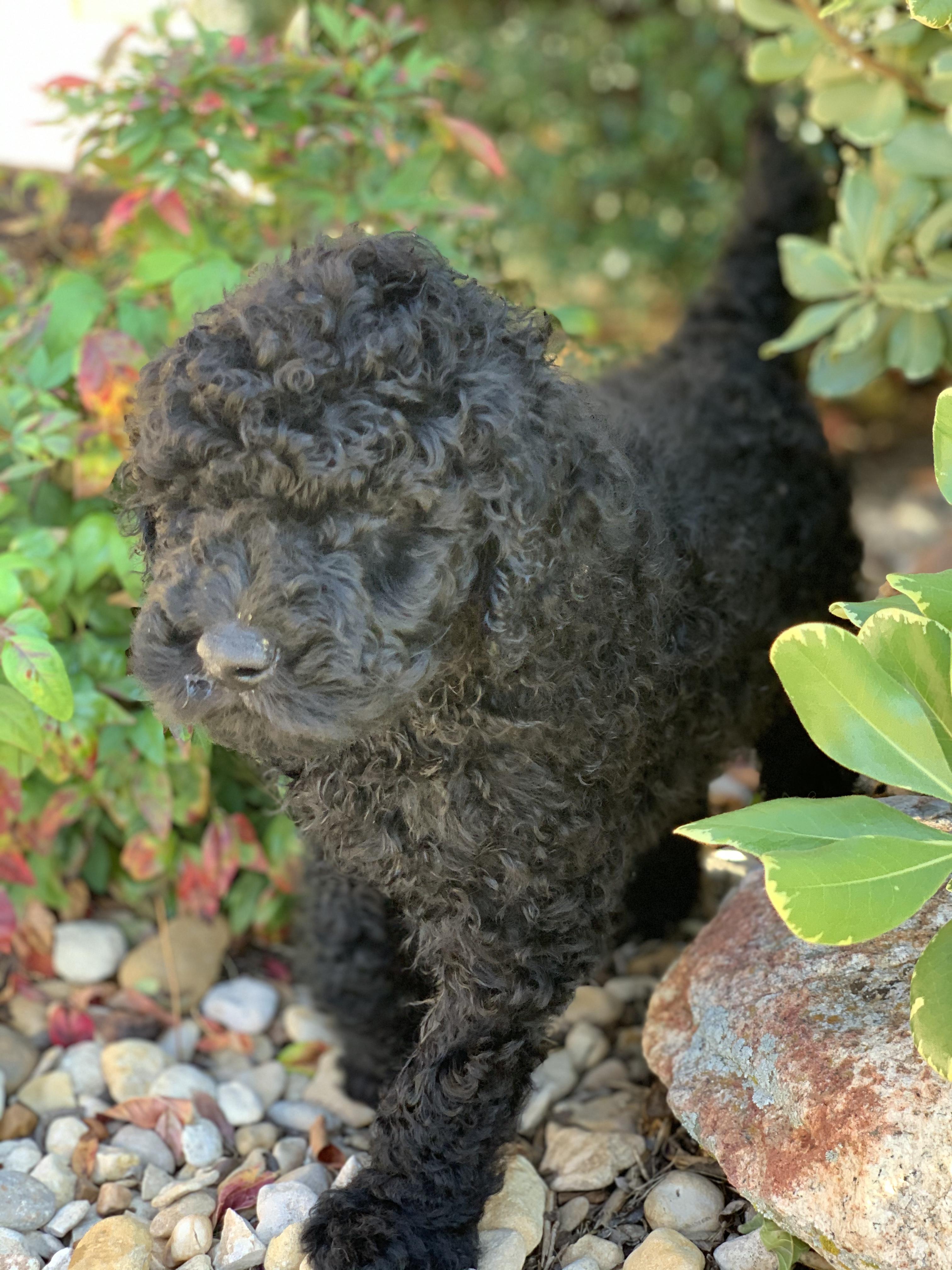
Manchester (Jupiter)
Went homeMale
-goldendoodle-puppy-in-cleburne-texas-from-sugar-fig-kennel.jpg?bounds=202-806x2723-2487&rotate=0&type=dog&crop=334x276)
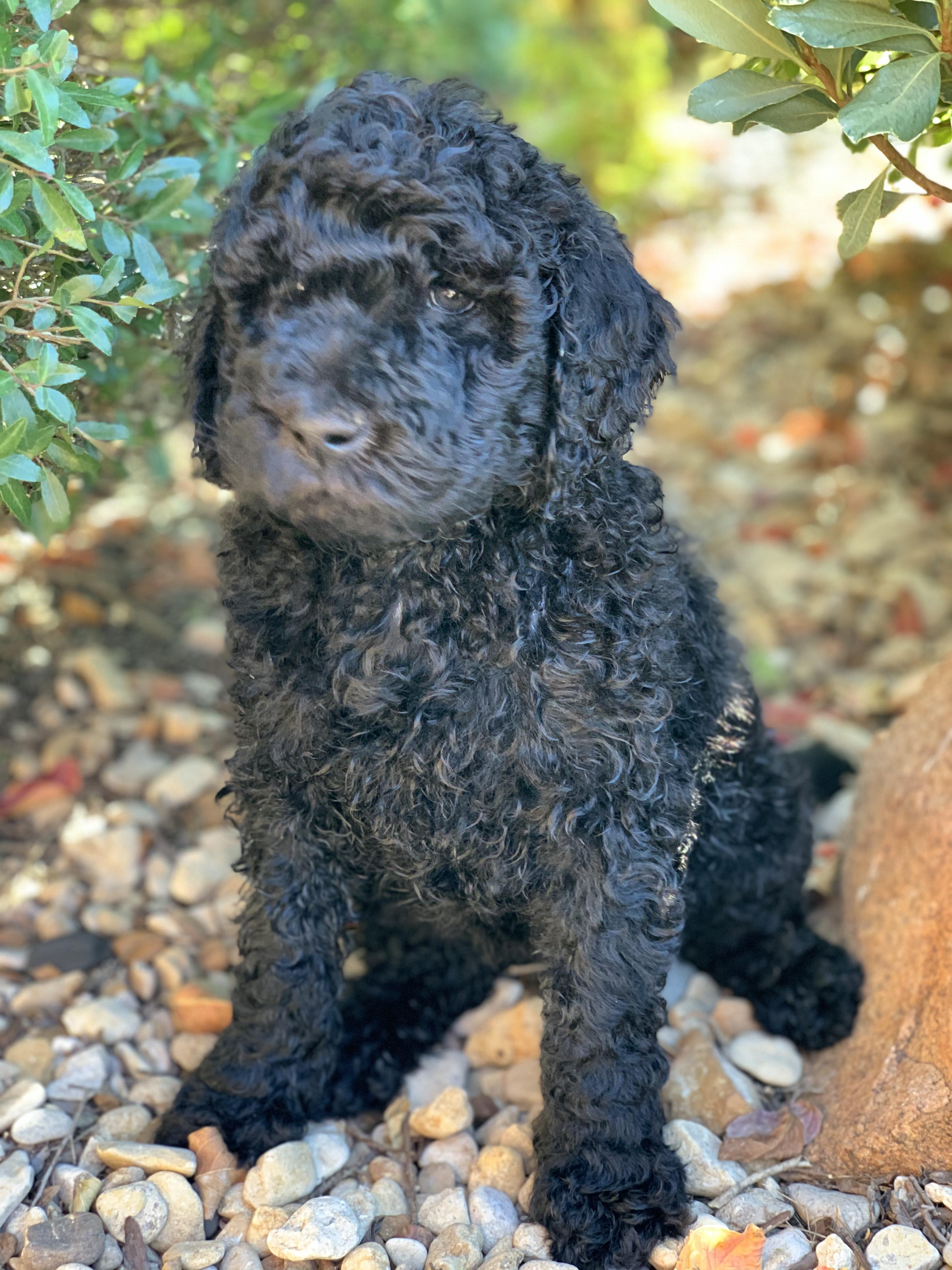
Goose (Mars)
Went homeMale
-goldendoodle-puppy-in-cleburne-texas-from-sugar-fig-kennel.jpg?bounds=0-285x2521-1966&rotate=0&type=dog&crop=334x276)
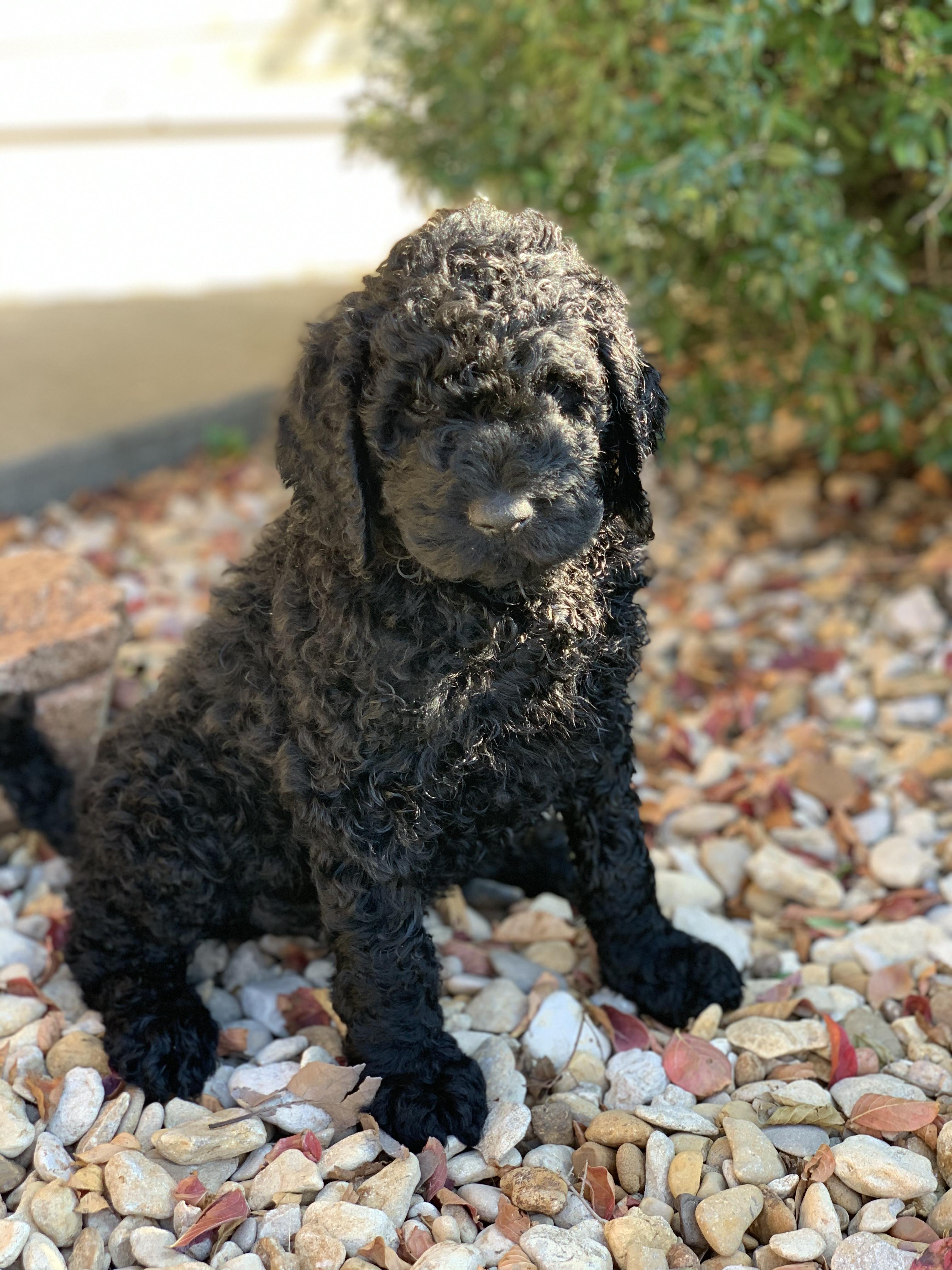
Peggy (Jasmine)
Went homeFemale
-goldendoodle-puppy-in-cleburne-texas-from-sugar-fig-kennel.jpg?bounds=269-604x2790-2285&rotate=0&type=dog&crop=334x276)
Juno (Leo)
Went homeMale

Hazel
Went homeFemale
Orion
Went homeMale
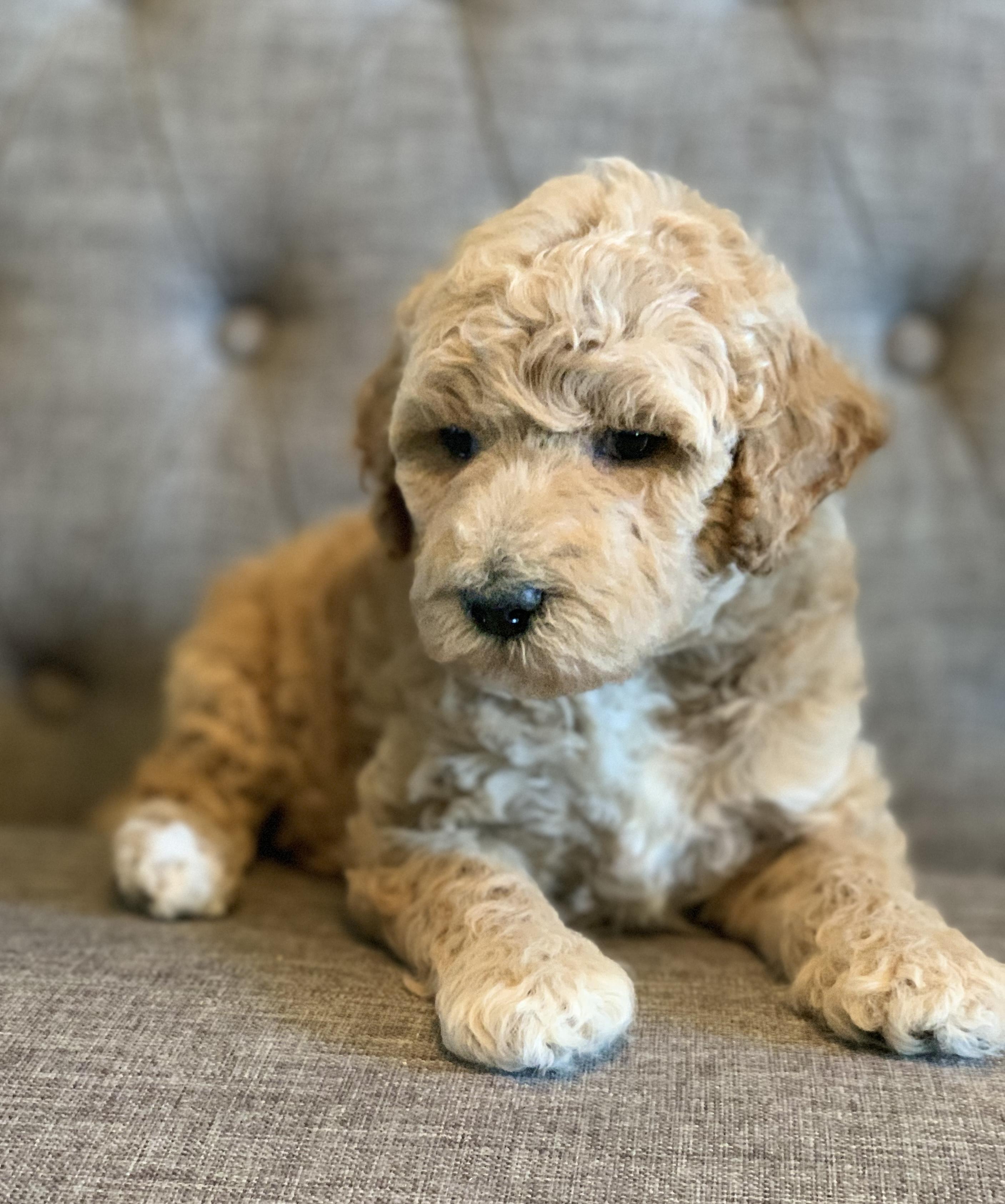-labradoodle-puppy-in-cleburne-texas-from-sugar-fig-kennel.jpg?bounds=174-683x2657-2339&rotate=0&type=dog&crop=334x276)
Rory (Kiwi)
Went homeFemale

Roxi
Went homeFemale
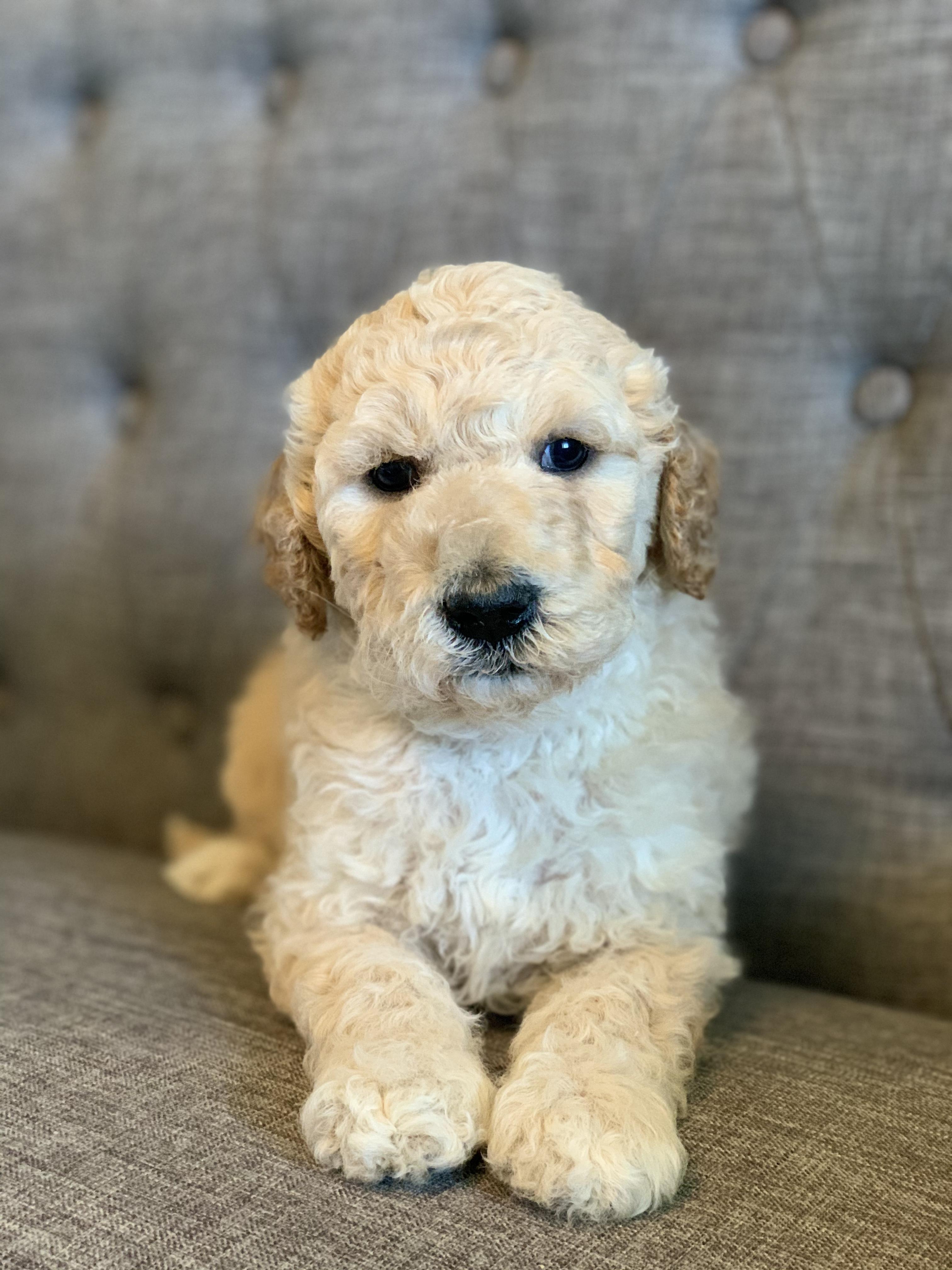-labradoodle-puppy-in-cleburne-texas-from-sugar-fig-kennel.jpg?bounds=347-726x3016-2505&rotate=0&type=dog&crop=334x276)
Wally (Louie)
Went homeMale
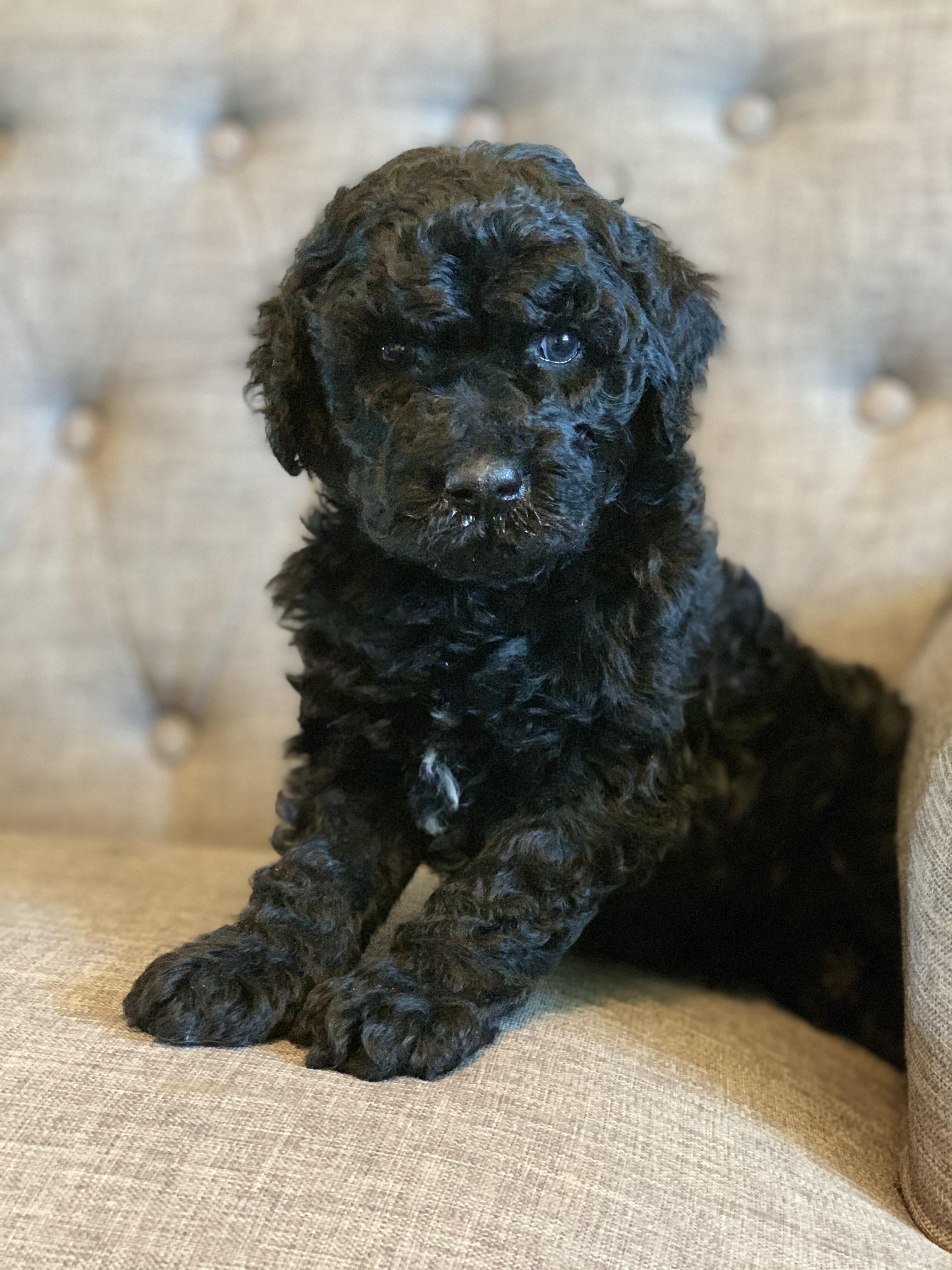-labradoodle-puppy-in-cleburne-texas-from-sugar-fig-kennel.jpg?bounds=347-441x3016-2221&rotate=0&type=dog&crop=334x276)
Woody (Milo)
Went homeMale
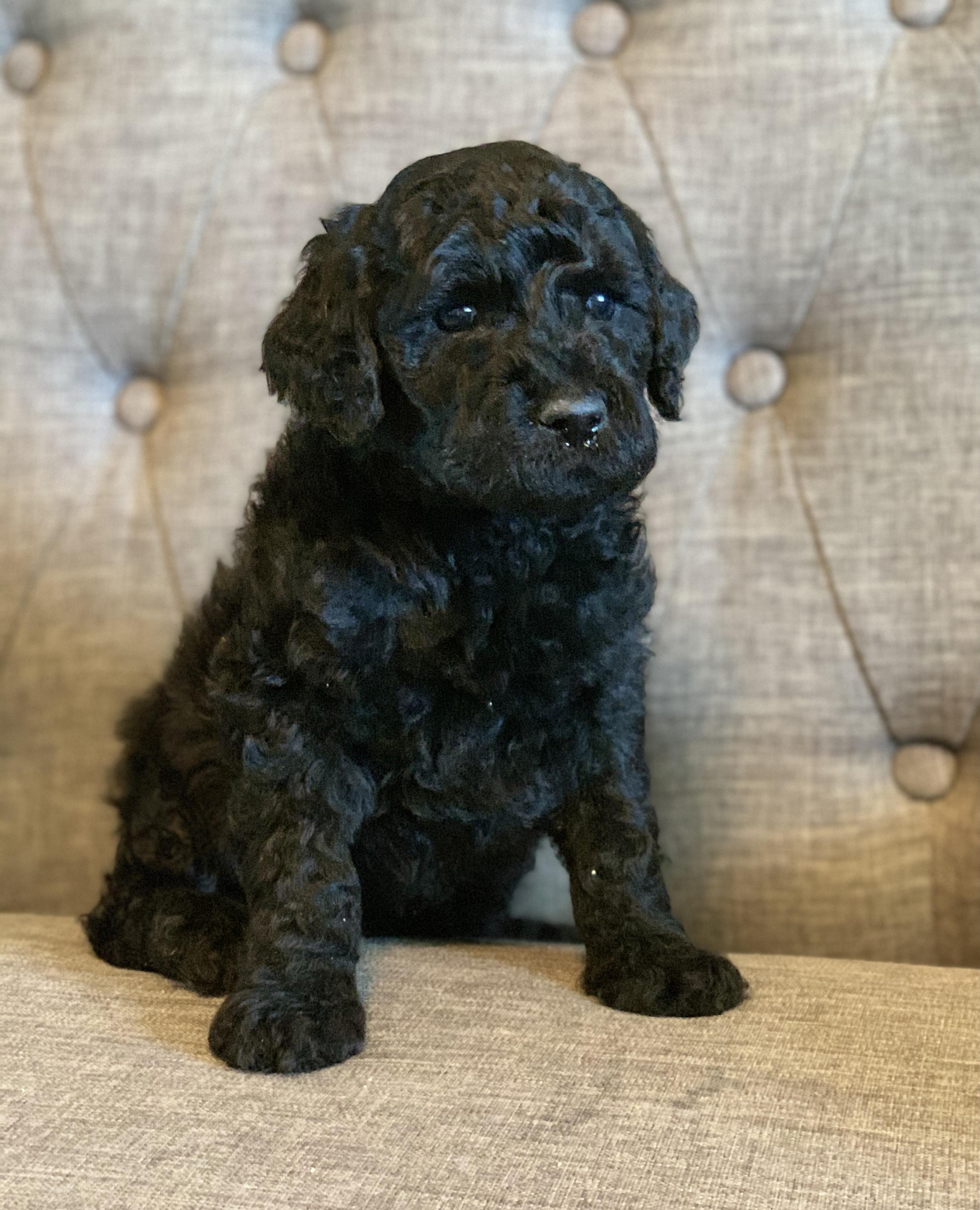-labradoodle-puppy-in-cleburne-texas-from-sugar-fig-kennel.jpg?bounds=197-368x2652-2004&rotate=0&type=dog&crop=334x276)
Ruby (Pepper)
Went homeFemale
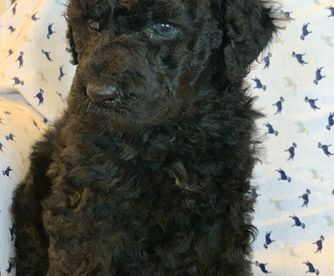
Winnie
Went homeMale

Wilbur
Went homeMale
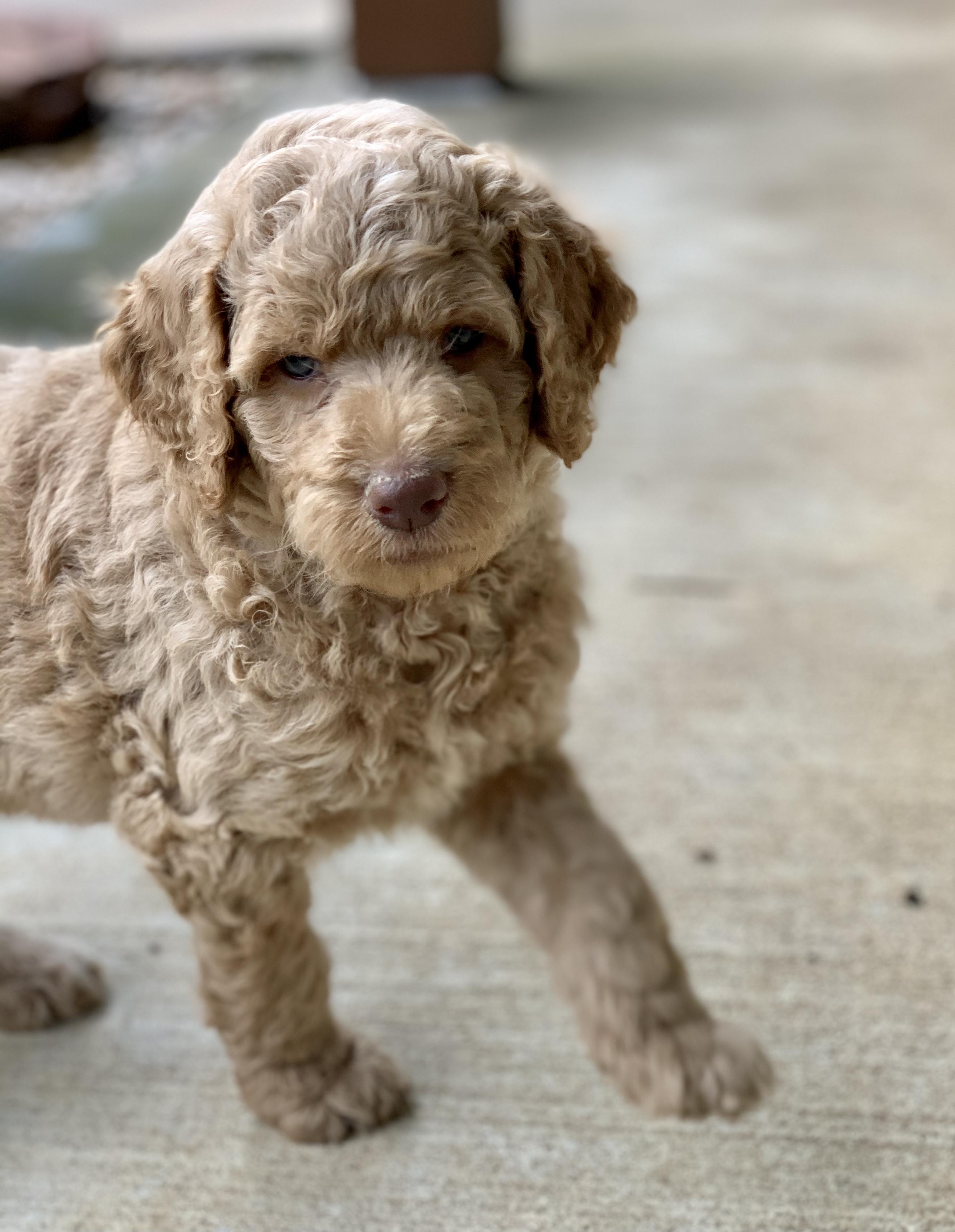-goldendoodle-puppy-in-cleburne-texas-from-sugar-fig-kennel.jpg?bounds=0-305x2324-1855&rotate=0&type=dog&crop=334x276)
Duncan (Otis)
Went homeMale
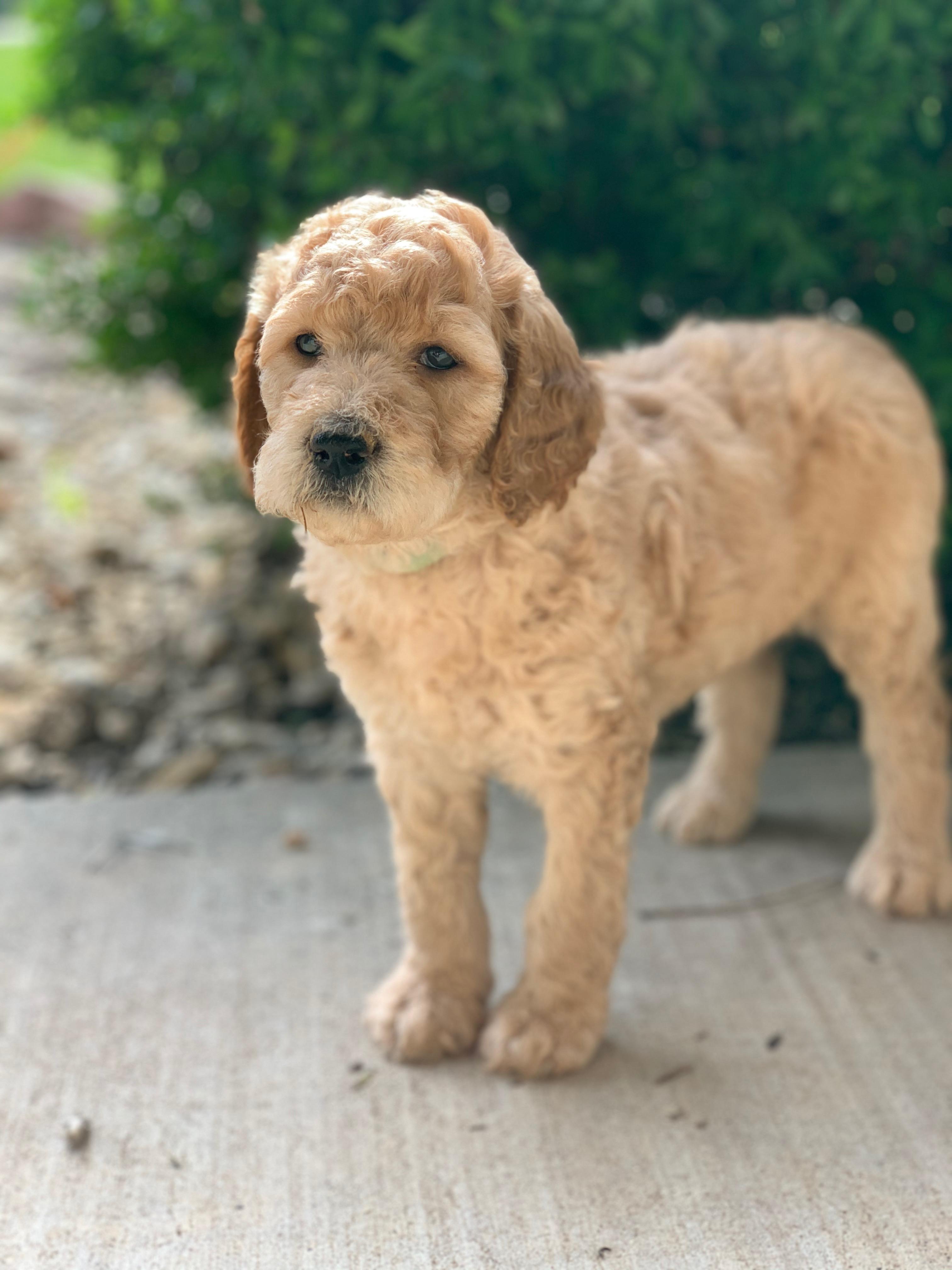-goldendoodle-puppy-in-cleburne-texas-from-sugar-fig-kennel.jpg?bounds=347-584x3016-2363&rotate=0&type=dog&crop=334x276)
Daisy (Tess)
Went homeFemale

Poppy
Went homeFemale
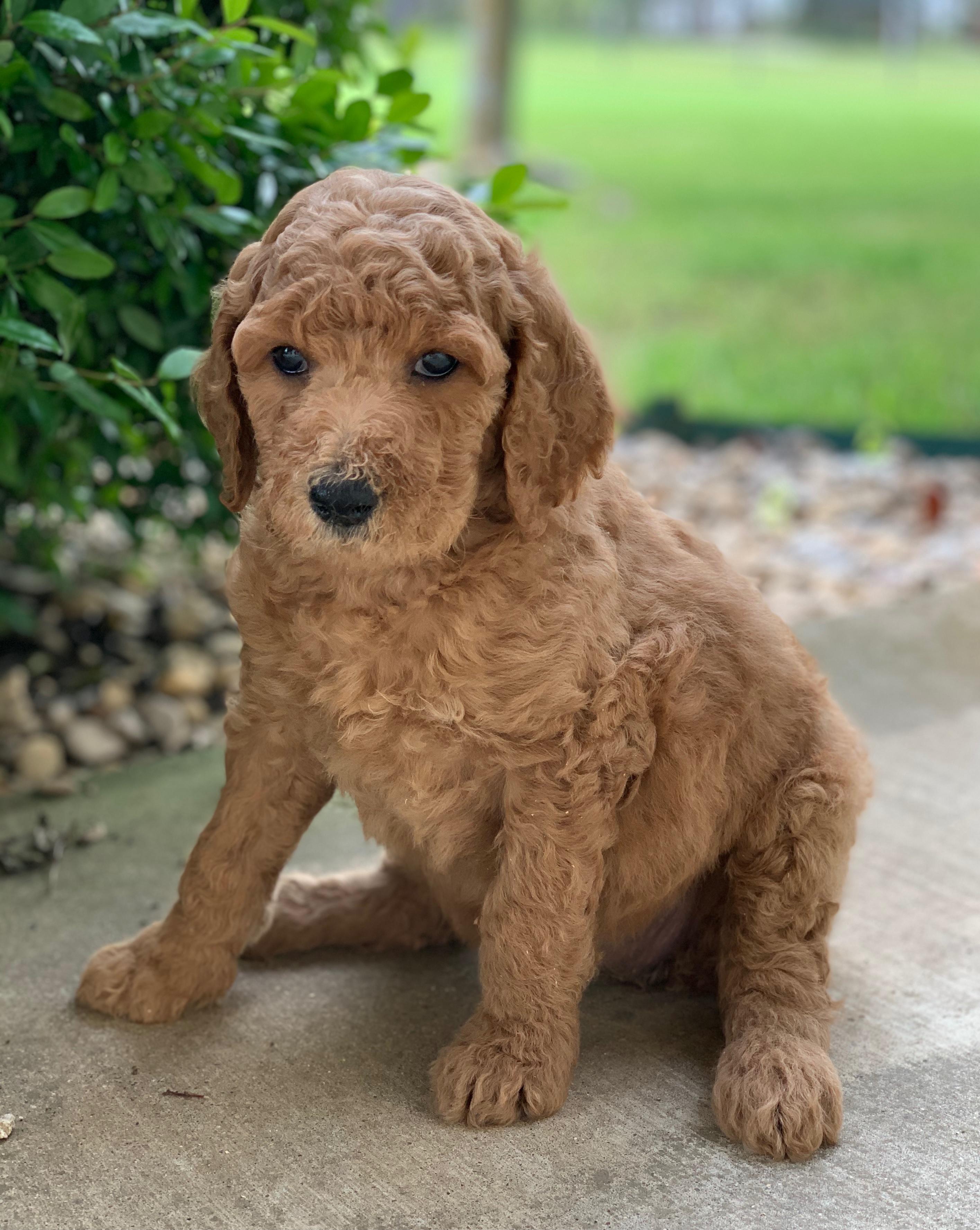-goldendoodle-puppy-in-cleburne-texas-from-sugar-fig-kennel.jpg?bounds=183-469x2681-2135&rotate=0&type=dog&crop=334x276)
Luna (Ruby)
Went homeFemale
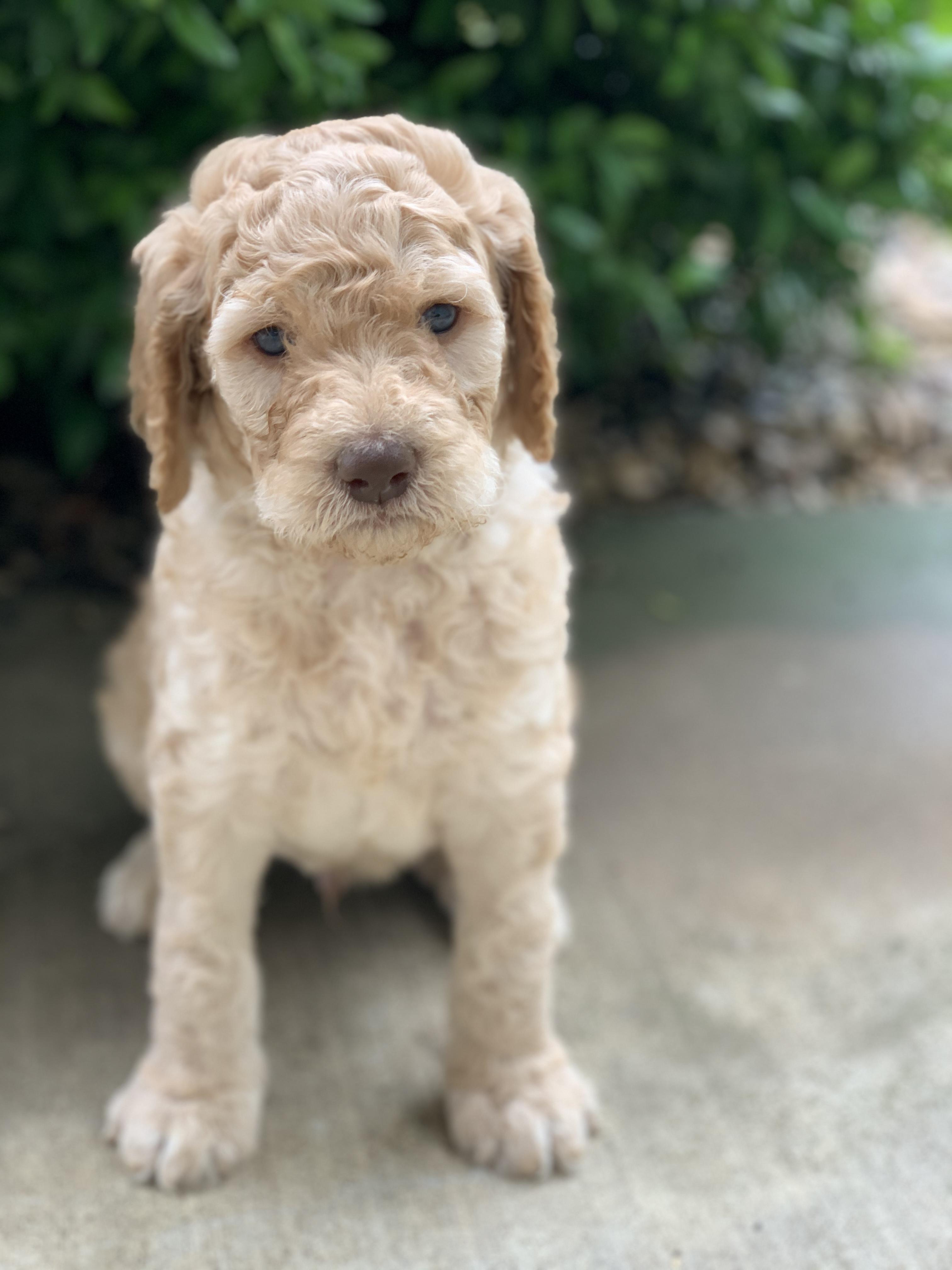-goldendoodle-puppy-in-cleburne-texas-from-sugar-fig-kennel.jpg?bounds=8-299x2677-2078&rotate=0&type=dog&crop=334x276)
Bruno (Hunter)
Went homeMale
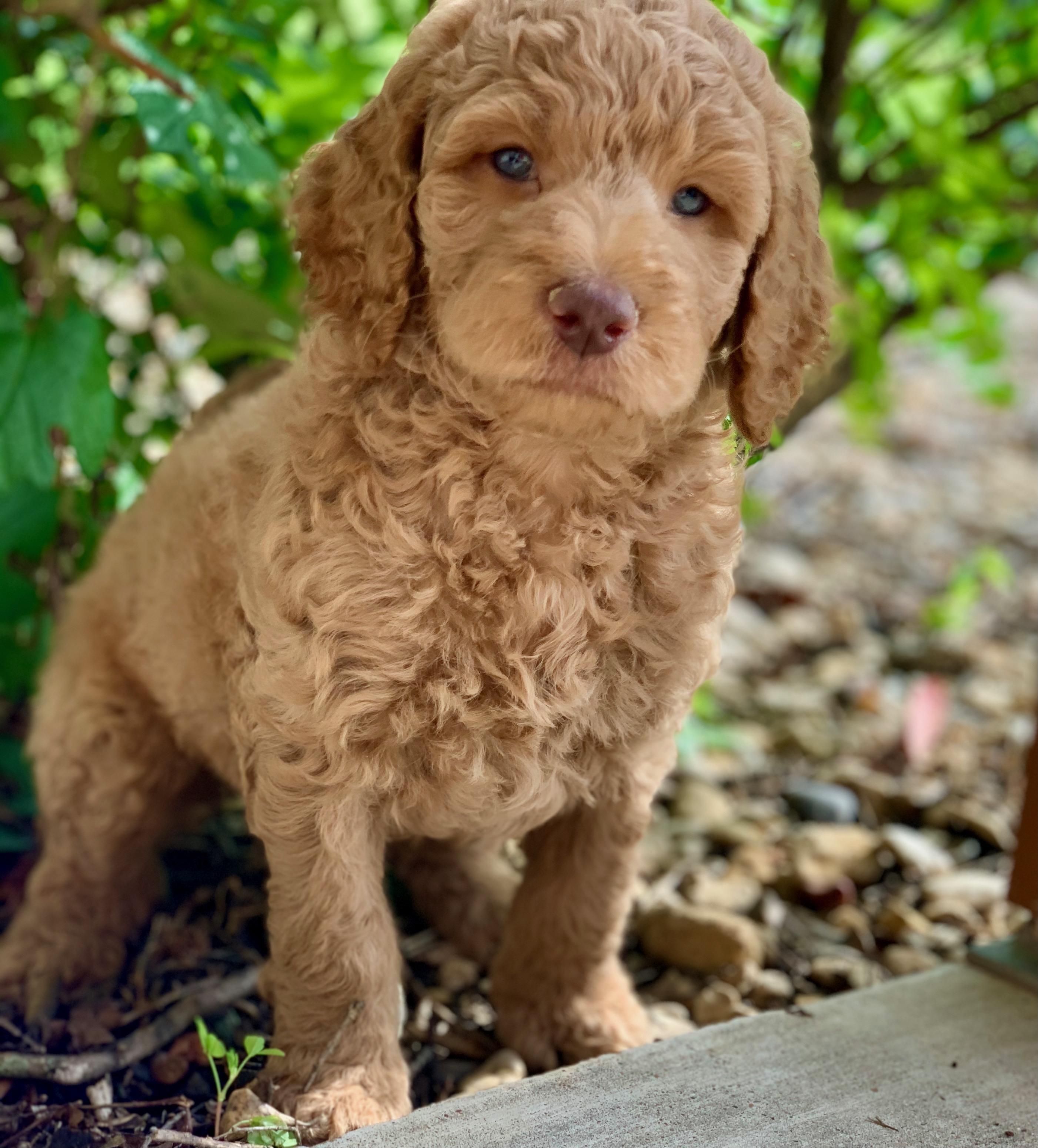-goldendoodle-puppy-in-cleburne-texas-from-sugar-fig-kennel.jpg?bounds=247-1x2721-1649&rotate=0&type=dog&crop=334x276)
Ripper (Rusty)
Went homeMale
Penny
Went homeFemale

Milo
Went homeMale
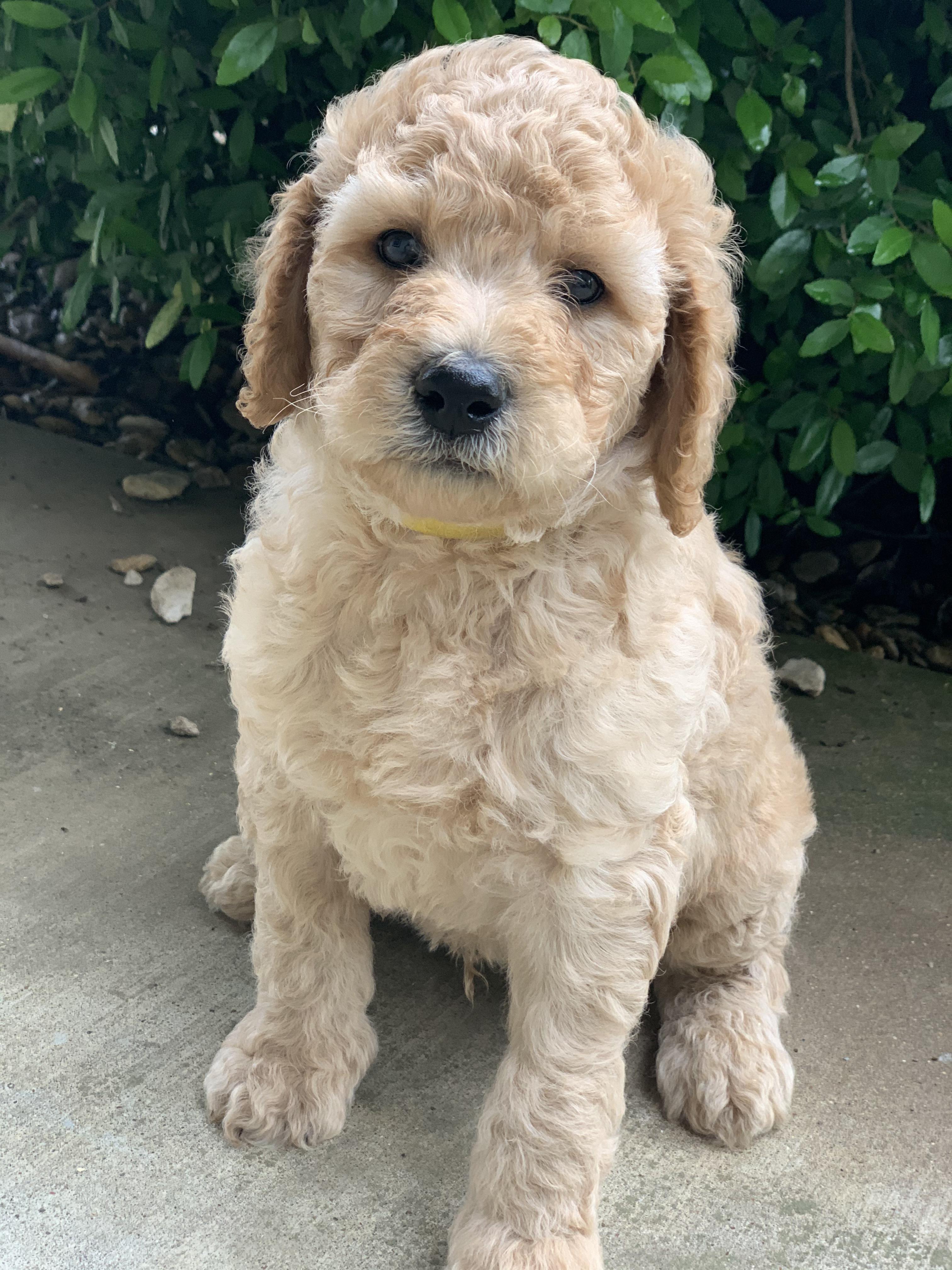-goldendoodle-puppy-in-cleburne-texas-from-sugar-fig-kennel.jpg?bounds=0-124x3024-2140&rotate=-270&type=dog&crop=334x276)
Oscar (Remy)
Went homeMale

Cocoa
Went homeFemale
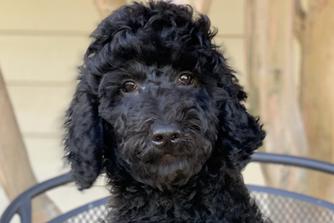
Nala
Went homeFemale
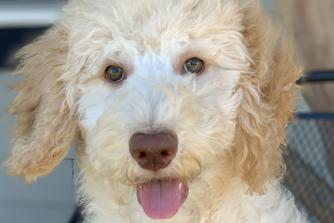
Finn
Went homeMale

Sasha
Went homeFemale

Charlie
Went homeMale
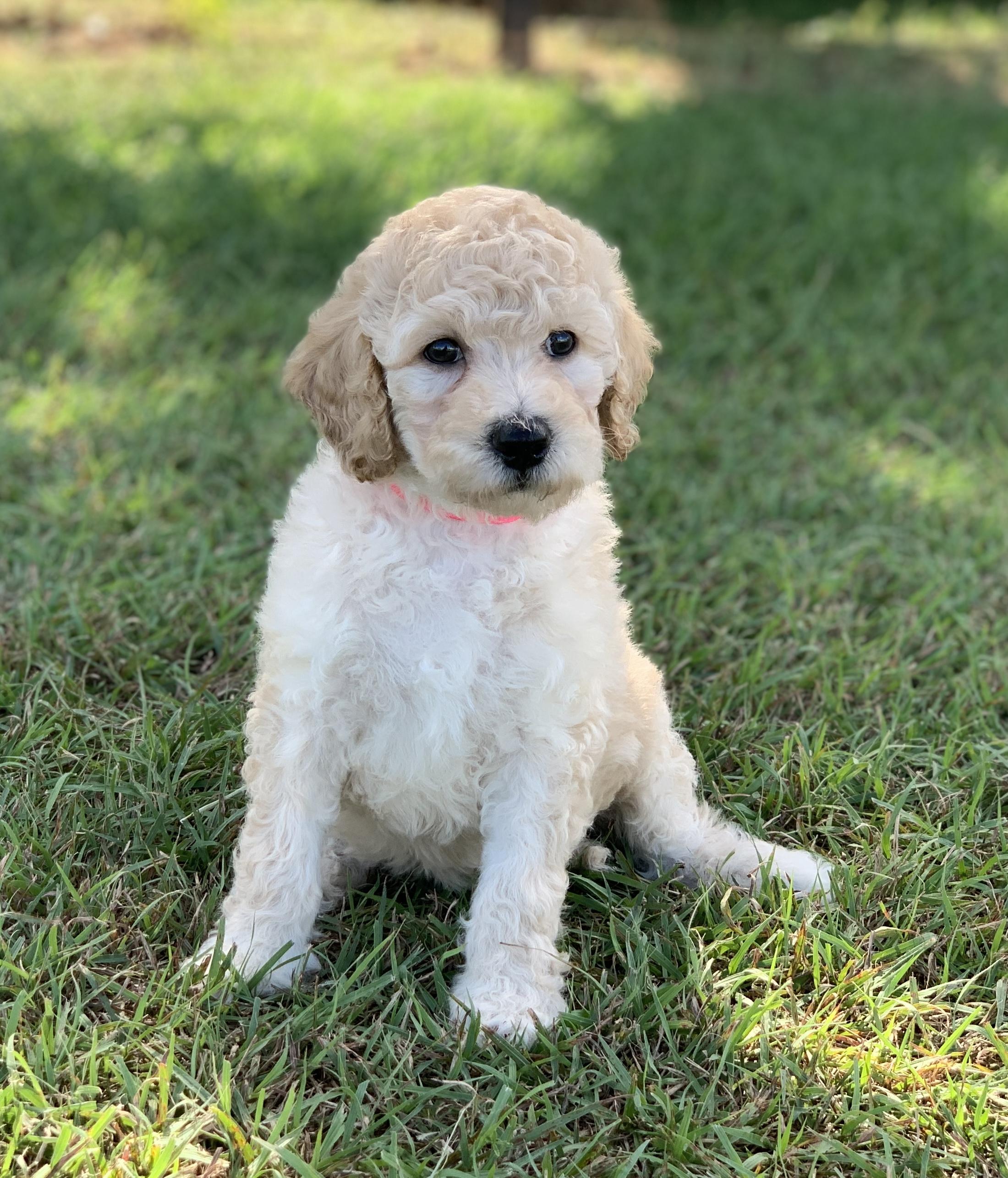-labradoodle-puppy-in-cleburne-texas-from-sugar-fig-kennel.jpg?bounds=129-431x2071-1725&rotate=0&type=dog&crop=334x276)
Cocó (Stella)
Went homeFemale
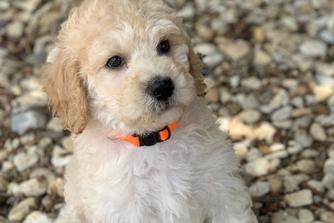
Cookie
Went homeFemale
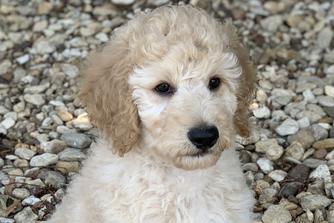
Maximus
Went homeMale
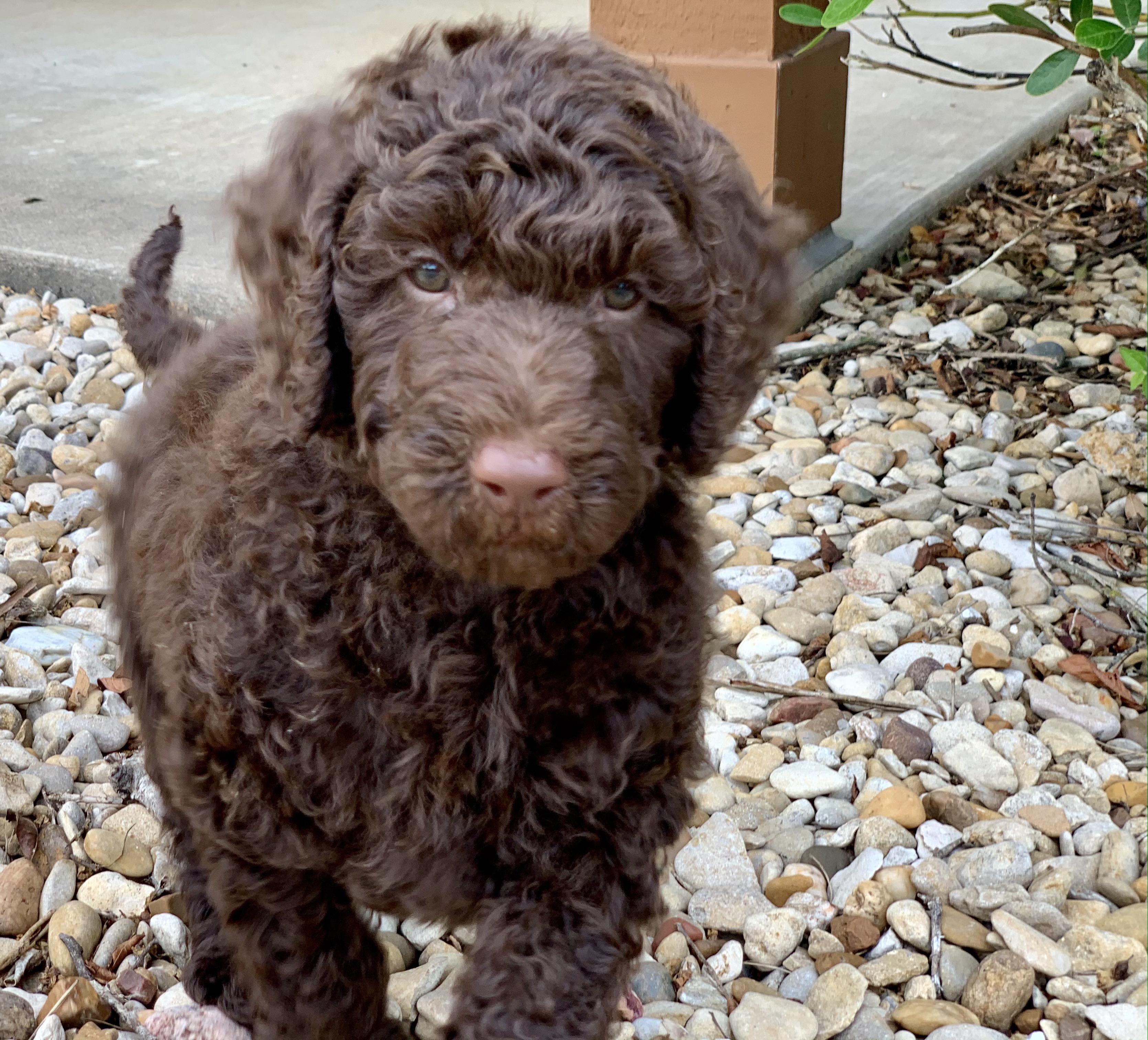-labradoodle-puppy-in-cleburne-texas-from-sugar-fig-kennel.jpg?bounds=9-137x2956-2101&rotate=0&type=dog&crop=334x276)
Coffee (Hazel)
Went homeFemale
Getting a puppy from Candis
Candis has been certified by Good Dog’s screening team for responsible and trusted breeding practices. When you’re ready, reach out to ask about the puppies or anything else on your mind. You’ll get to know each other through messaging, phone, or video and pay securely, all on Good Dog.
Together, you’ll choose the puppy that’s right for you, stay in touch with regular updates, and plan how to bring your new puppy home.
Price
“After approval of your Adoption Application, your $500 non-refundable deposit reserves your puppy. In order deposits are received, families may choose their puppy (with our help and guidance) after 1 week of age. The balance owed is to be paid in full when the puppies are 7 weeks of age. After approval of your Adoption Application, your $500 non-refundable deposit reserves your puppy. In order deposits are received, families may choose their puppy (with our help and guidance) after 1 week of age. The balance owed is to be paid in full when the puppies are 6 weeks of age.”
Contract & health guarantee
Candis may provide a written contract or health guarantee when you purchase a puppy. This helps protect both you and your breeder, ensuring that you both have a clear understanding of the terms of your puppy purchase. If Candis offers a contract or guarantee, the details will be personalized by them. If you have any questions or want to know more, don't hesitate to reach out to Candis directly.
You’re protected
on Good Dog
When you pay and communicate on Good Dog, you’re covered by Payment Protection.
What's included
From Good Dog
- Lifetime support from Good Dog’s Care Team
- 10% lifetime discount on Figo pet insurance
- Puppy Training Program & private community
Puppy health practices
- Vet check
- First round of shots and deworming
Location & pick-up
You can drive or fly to pick up your puppy from Candis.
Breeder's location
Meet in Cleburne, TX
5174 miles away
·
Other pick-up locations
Meet at Dallas Love Field
5128 miles away
·
More about Candis
Candis has been a member of Good Dog for almost 7 years
Candis was screened for responsible practices and has been a member since 2019.
Candis’s links


Candis is a trusted Good Dog breeder
Sugar Fig Kennel meets or exceeds our community standards in these areas:
- Responsible breeding practices
- Health of breeding dogs and puppies
- Puppy environment and enrichment
- Buyer education and policies
Parent health testing

Goldendoodle

Labradoodle

Standard Poodle
Good level
Sugar Fig Kennel reports to performing the health tests below on their breeding dogs. Ask your breeder about the tests performed on the parents of your litter. Learn more about health testing for Goldendoodles.
May-Hegglin Anomaly, Phosphofructokinase Deficiency (PFK), Pyruvate Kinase Deficiency (PKD), Labrador Retriever Type, P2RY12 Receptor Platelet Disorder, Trapped Neutrophil Syndrome, Cohen Syndrome (TNS), Pyruvate Kinase Deficiency (PKD), Terrier Type, Pyruvate Kinase Deficiency (PKD), Beagle Type, Glanzmann's Thrombasthenia, Great Pyrenees Type, von Willebrand Disease III (vWD III), Prekallikrein Deficiency, Fletcher Trait, Macrothrombocytopenia, Factor XI Deficiency, von Willebrand Disease I (vWD I), Factor VII Deficiency, Leukocyte Adhesion Deficiency, Type III, Dental Hypomineralization (DH), Multiple Drug Sensitivity (MDR1), Early Onset Progressive Retinal Atrophy (EOPRA), Primary Open Angle Glaucoma (ADAMST10 Exon 17), Cone-Rod Dystrophy 2 (crd2), American Pitbull Terrier Type, Cone Degeneration, PRA, Rod-Cone Dysplasia 2 (rcd2), PRA, Rod-Cone Dysplasia 3 (rcd3), Cone-Rod Dystrophy (crd4), Primary Lens Luxation (PLL), X-Linked Progressive Retinal Atrophy (XL-PRA), Dilated Cardiomyopathy 1 (DCM1), Long QT Syndrome, Congenital Hypothyroidism with Goiter (CHG), Congenital Hypothyroidism with Goiter, Terrier Type (CHG), Severe Combined Immunodeficiency Disease, X-Linked, Basset Hound Type (XSCID), Compliment 3 Deficiency (C3), Severe Combined Immunodeficiency Disease, Terrier Type, Cyclic Neutropenia, Grey Collie Syndrome (CN), Glycogen Storage Disease Type IIIA, GSD IIIA, Glycogen Storage Disease Type II or Pompe's Disease (GSD II), Pyruvate Dehydrogenase Phosphatase 1 Deficiency (PDP1), Hypocatalasia, Mucopolysaccharidosis IIIA (MPS IIIA), Dachshund Type, Duchenne Muscular Dystrophy, Golden Retriever Type, Myotubular Myopathy, Labrador Retriever Type, Centronuclear Myopathy (CNM), Myotonia Congenita, Australian Cattle Dog Type, X-Linked Tremors, Shaking Puppy Syndrome (SPS), Neonatal Ataxia, Bandera's Disease, Benign Familial Juvenile Epilepsy (BFJE), Neuronal Ceroid Lipofuscinosis 10 (NCL10), American Bulldog Type, Neuronal Ceroid Lipofuscinosis 8 (NCL8), Setter Type, Sensory Neuropathy, Border Collie Type (SN), Late Onset Ataxia, Spinocerebellar Ataxia (LOA, SCA), Neonatal Cortical Cerebellar Degeneration (NCCD), Cerebellar Cortical Degeneration (CCD), Spinocerebellar Ataxia (SCA), Narcolepsy, Doberman Pinscher Type, Narcolepsy, Dachshund Type, Juvenile Myoclonic Epilepsy (JME), Neonatal Encephalopathy with Seizures (NEwS), Hypomyelination, Weimaraner Type, Spinal Dysraphism (SD), Juvenile Laryngeal Paralysis & Polyneuropathy (JLPP), Cerebellar Degeneration, Lagotto Storage Disease (LSD), Neuroaxonal Dystrophy (NAD), Papillon Type, Hyperekplexia, Startle Disease, L-2-Hydroxyglutaric Aciduria (L2HGA), Staffordshire Bull Terrier Type, Hereditary Ataxia, Cerebellar Ataxia, Neuronal Ceroid Lipofuscinosis 1 (NCL1), Dachshund Type, Neuronal Ceroid Lipofuscinosis 7 (NCL7), GM2 Gangliosidosis, Poodle Type, Gangliosidosis GM2, Japanese Chin Type, Globoid Cell Leukodystrophy (GCL), Irish Setter Type, Exercise Induced Collapse (EIC), Episodic Falling Syndrome (EFS), Globoid Cell Leukodystrophy (GCL), Terrier Type, Polyneuropathy (NDRG1), Alaskan Malamute Type, Persistent Müllerian Duct Syndrome, Cleft Palate (ADAMTS20), Cleft Palate (DLX6), Craniomandibular Osteopathy (CMO), Osteogenesis Imperfecta (OI), Dachshund Type, Spongiform Leukoencephalomyelopathy (SLEM), Skeletal Dysplasia (SD2), Hereditary Vitamin D-Resistant Rickets (HVDRR), Musladin-Leuke Syndrome (MLS), Chondrodysplasia/Dwarfism, X-Linked Anhidrotic Ectodermal Dysplasia, Shepherd Type, Protein-Losing Nephropathy (PLN; NPHS1 Gene Variant), Hyperuricosuria (HUU), Fanconi Syndrome, Cystinuria Type II-A, Australian Cattle Dog Type, Cystinuria Type 1A, Labrador Retriever Type, Polycystic Kidney Disease (PKD), Renal Cystadenocarcinoma and Nodular Dermatofibrosis (RCND), von Willebrand Disease II (vWD II), Multifocal Retinopathy 2 (CMR2), Multifocal Retinopathy 1 (CMR1), Ichthyosis, Golden Retriever Type 1, PRA, Golden Retriever 1, PRA, Golden Retriever 2, Cone-Rod Dystrophy 1 (crd1), American Staffordshire Terrier Type, PRA, Cone-Rod Dystrophy (PRA-crd), Standard Wirehaired Dachshund Type, PRA, Rod-Cone Dysplasia 4 (rcd4), PRA, Rod-Cone Degeneration (PRA-prcd), Degenerative Myelopathy (DM; SOD1A)
Genetic testing reduces the chance of passing down a wide variety of hereditary diseases of differing prevalence and severity such as Progressive Retinal Atrophy (an eye disease) and Von Willebrand's Disease (a blood disease).