Get to know
Labrador Retrievers

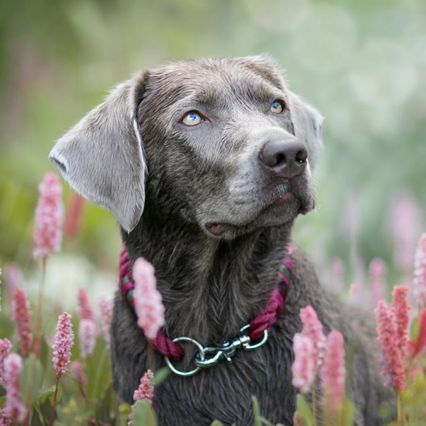
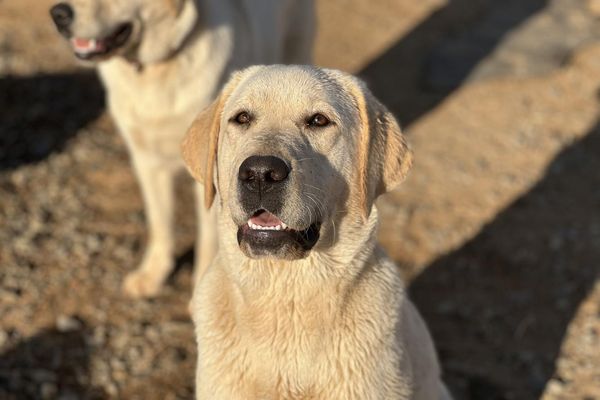
There’s a reason Labs held the #1 spot as America’s most popular breed for an unprecedented 31 years. They earned it.
Browse available puppies
Connect with reputable breeders to find the dog of your dreams
At a glance
Moderate Energy
Energy level
3/5
Minimal Maintenance
Grooming
1/5
Large
Size
Fun-loving, eager to please, amiable
Temperament
10-12 years
Lifespan
Highly Trainable
Training
5/5
Medium Vocality
Barking
3/5
At a glance
Energy level
Moderate Energy
Grooming
Minimal Maintenance
Size
Large
Temperament
Fun-loving, eager to please, amiable
Lifespan
10-12 years
Training
Highly Trainable
Barking
Medium Vocality
Why people love the breed
Everybody’s best friend, the Lab is always eager to expand his friend circle—and yours. It’s hard to be shy with a Lab at your side.
Appearance
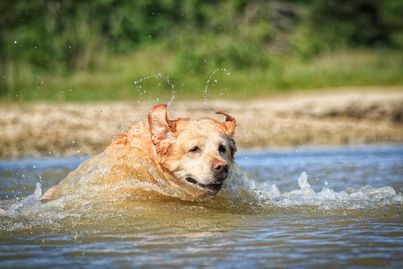
The Lab is built for cold water retrieving, a powerful swimmer with insulation to protect them from frigid waters.
Grooming
The Lab’s coat was made to be water resistant, and it resists dirt as well. Grooming it is very easy.

Lothlorien Labradors
Breed temperament and characteristics
Gregarious, lovable, forgiving, and fun-loving, a Lab is the personification of a best buddy. They’re always ready for adventure, eager to join in a game, but perceptive enough to just sit by your side when you need a friend.
Exercise
Labs are very active dogs, but their exercise needs can be met with fun and games.
Empress Labradors and Basset Hounds
Training
Labs have a long history of being biddable, and they are eager to learn what you want and to do it with gusto.
Diet and nutrition
Labs love to eat—really, really love to eat. They even have a gene for it. Combating obesity can be a challenge.
Twisted Ranch Retrievers
Health issues
The Lab is a robust breed that is generally healthy. But as with any popular breed, some health conditions have been reported.
Lifespan: 10 to 12 years.
Hip Dysplasia
Common in large breed dogs, this complex condition involves both genetic and environmental factors and arises when the head of the femur doesn’t fit in the pelvic socket, causing arthritis and lameness. No genetic test is available to date, therefore, the recommended screening test is x-rays.
Elbow Dysplasia
Found more often in larger breeds, this is a condition in which the elbow joint develops inappropriately, causing arthritis and lameness. No genetic test is available to date, therefore, the recommended screening test is x-rays.
Exercise-Induced Collapse
Occurs due to a mutation in the dynamin 1 gene. Two copies of the gene cause a dog to be more prone to suffering from weakness, ataxia, and life-threatening collapse after 5 to 20 minutes of strenuous exercise, with the dog gradually returning to normal after.
Progressive Retinal Atrophy (PRA)
This disorder occurs due to a group of diseases that cause the receptors of the eye’s retina to gradually deteriorate, causing blindness. Various DNA tests are available, depending on breed. Ophthalmic exams performed by ophthalmologists are recommended as well.
History
This all-American dog originated in Canada, and then took over the world.
About the author
Canine specialist, Caroline Coile, Ph.D., is the author of 34 dog books, including the top-selling Barron's Encyclopedia of Dog Breeds. She’s written thousands of magazine and web articles about dogs. She specializes in canine science, health, breeds and competitions. Caroline has won 20 national dog-writing awards, and was a 2015 Inductee into the Dog Writers Association of America Hall of Fame.
Breed Scorecard
Characteristics and temperament
Affectionate with family
5
Watchdog level
3
Playfulness
5
Adaptability
5
Social needs
5
Temperament
Fun-loving, eager to please, amiable, biddable
Intelligence
5
Good with other dogs
4
Good with cats or other pets
5
Friendly with strangers
5
Good as a service dog
5
Good for apartments
1
Barking level
3
Appearance
Height
21-24"
Size
Large
Colors
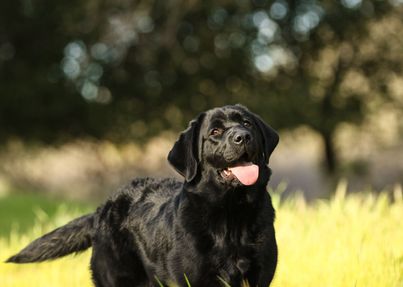
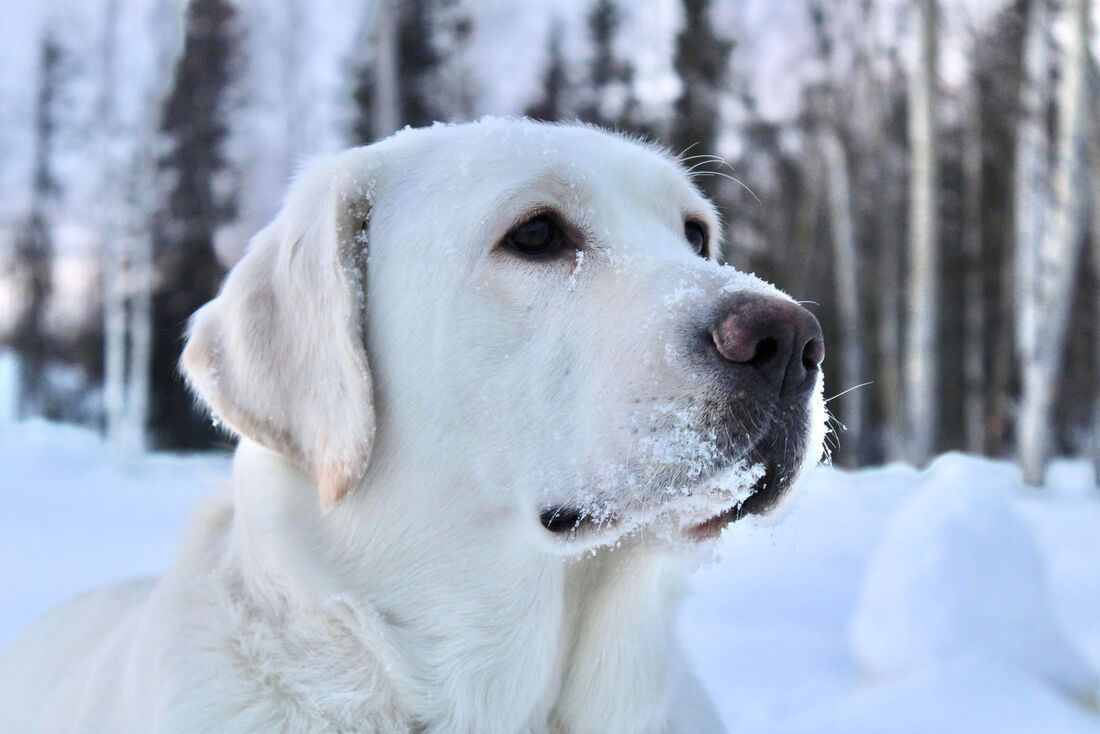
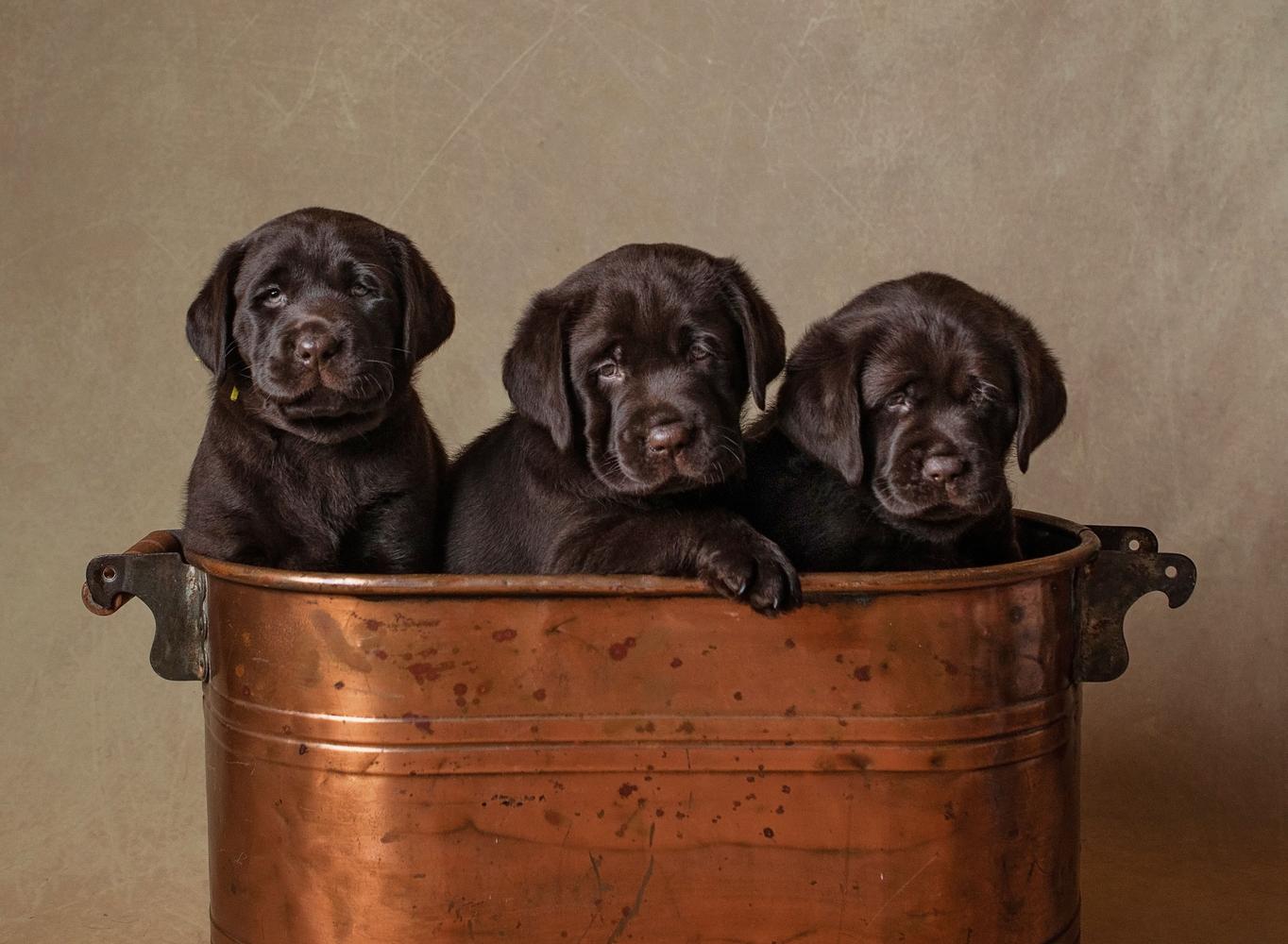
Black, Chocolate, Yellow
Coat texture
Dense, with a hard outer coat and soft undercoat
Coat length
Short, non-feathered, no facial furnishings
Training
Trainability
5
Exercise
Exercise needs
3
Exercise time
1 to 2 hours daily
Mental exercise needs
4
Favorite activities
Retriever, swimming, dock-diving, obedience
Grooming
Grooming needs
1
Brushing frequency
Weekly
Needs professional grooming?
No
Drooling level
2
Health issues
Hip Dysplasia
Elbow Dysplasia
Exercise-Induced Collapse
Progressive Retinal Atrophy (PRA)
Other
Bred for
Water Retrieving
Country of origin
Canada
Popularity level
5
FAQs
On Good Dog, you can search for Labrador Retriever puppies or dogs in rescues and shelters. Adopting a Labrador Retriever from a shelter or rescue is generally less expensive than buying a puppy from a breeder with ethical practices. Across the United States, there are dedicated rescues that specialize in specific breeds and may even help transport a Labrador Retriever dog to you from another part of the country. Although it can be more cost-effective, adopting the exact breed you're looking for is typically more difficult than working with a responsible breeder. Learn more about adopting a dog from a shelter or rescue.
The typical price for Labrador Retriever puppies for sale may vary based on the breeder and individual puppy. On average, the price of Labrador Retriever puppies from a breeder is $1,900.
Labs alarm bark but don’t just bark for no reason. They are actually fairly quiet.
Not as puppies (is any puppy?), but by 2 years of age, most Labs have mellowed out. They are then generally calm, but still want to play and go have an adventure.
Not at all. Although young Labs need a lot of attention and exercise, older Labs need far less. That doesn’t mean you can ignore them, but as long as you make them part of your everyday family activities they should be fine.