Preventing and combatting canine obesity
Learn all about how you can prevent and combat canine obesity
Good Dog is on a mission to educate the public, support dog breeders, and promote canine health so we can give our dogs the world they deserve.
Good Dog is on a mission to educate the public, support dog breeders, and promote canine health so we can give our dogs the world they deserve.
Throughout the month of October, we’re offering our Good Dog Breeders $10 off slow feeders, food puzzles, or scales for your dog. Learn more about our October Health Initiative (and keep updated on future initiatives) by visiting our Good Breeder Benefits page.
Good Dog is on a mission to educate the public, support dog breeders, and promote canine health so we can give our dogs the world they deserve.
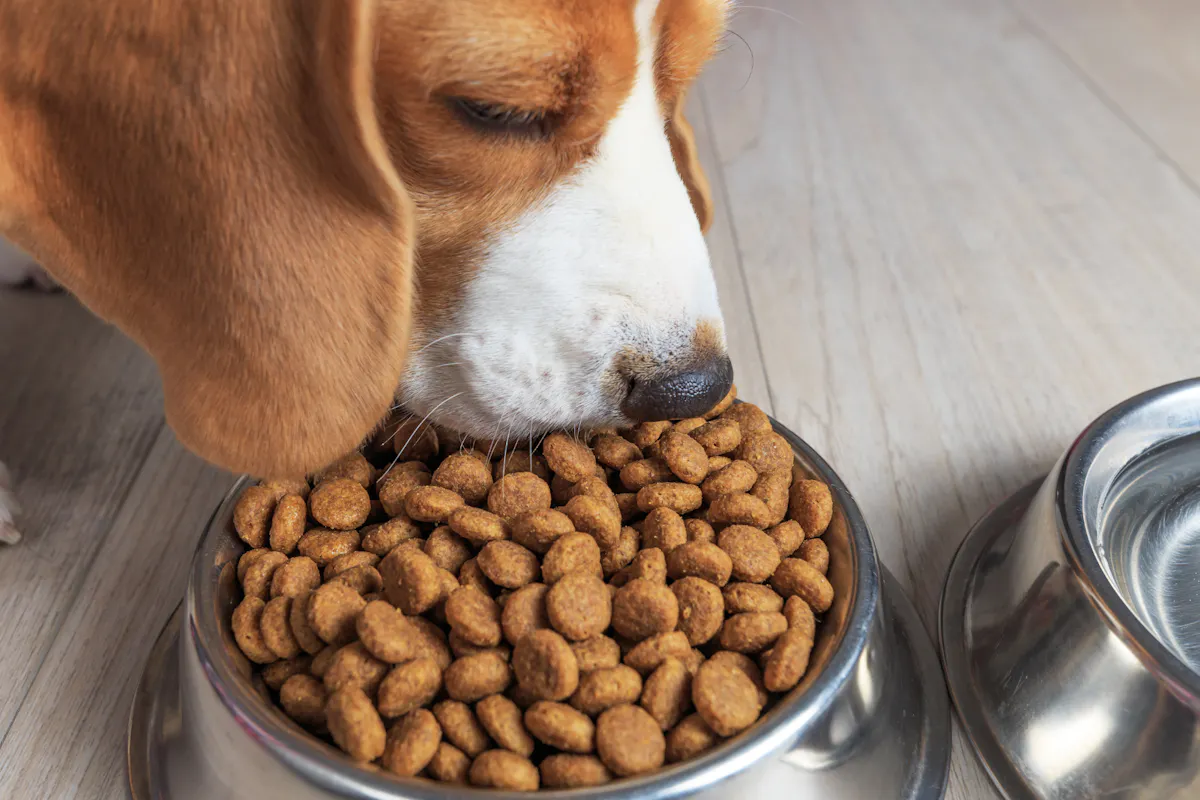
Whether they're digging into a bowl of food, or earning a treat for a job well done, it's no secret that our dogs love to eat. However, the path to canine obesity can be a slippery slope with serious consequences, and it's important to be aware of how food and exercise can impact your dog's health.
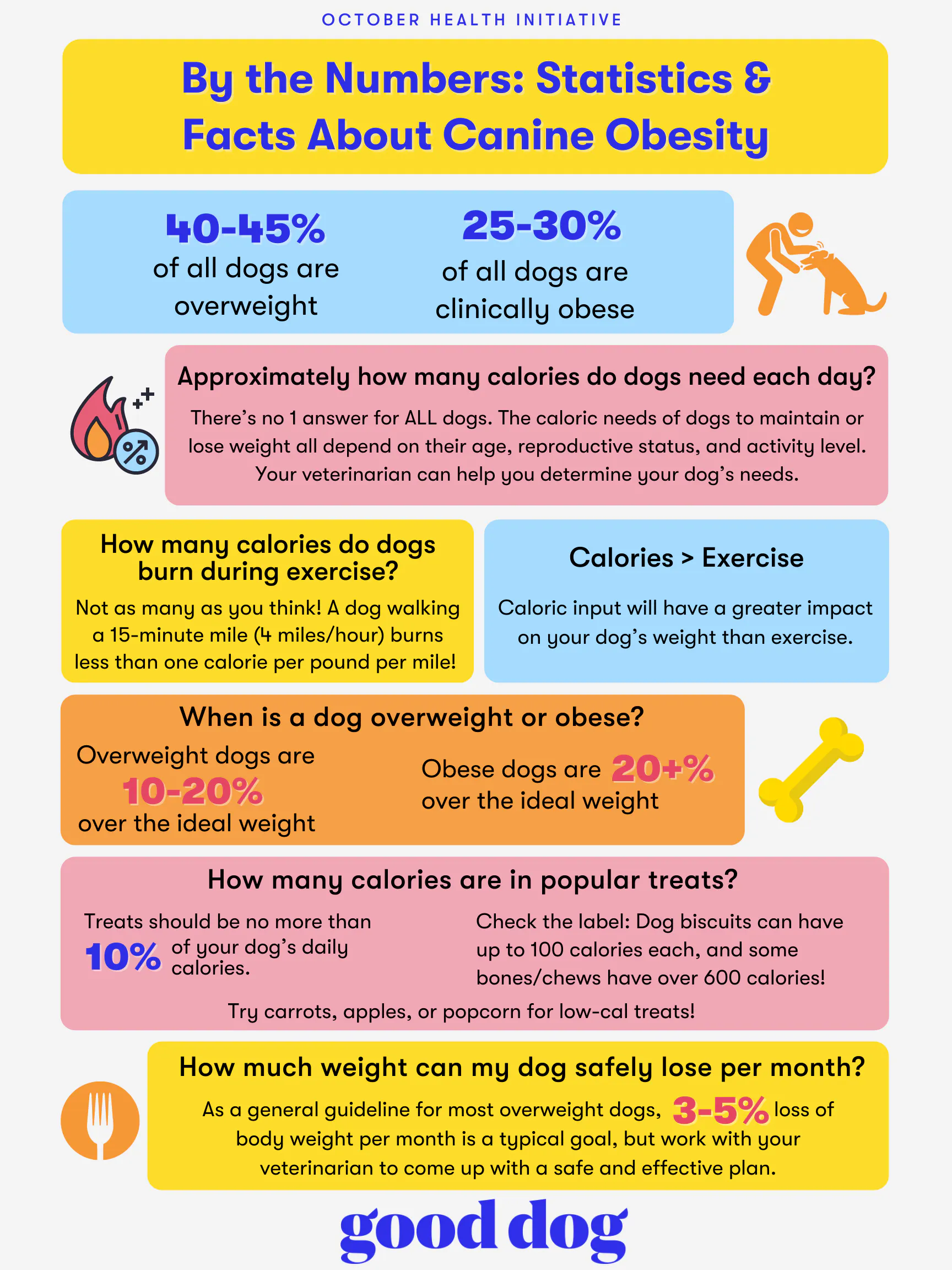
There is no "one size fits all" approach to help your dog safely lose weight. The caloric needs of dogs to maintain or lose weight all depend on different factors such as their age, reproductive status, and activity level. As a general guideline for most overweight dogs, a 3-5 percent loss of body weight per month is a typical goal, but it's important to work with your veterinarian to come up with a safe and effective plan suited for your dog's specific needs.
Spotting the Signs
There are a few signs that may indicate your dog is overweight:
- When looking at your dog from above, they should have a slight taper to their waist
- When looking at your dog from the side, you should see a slight tuck to their abdomen
- You should be able to easily feel each of their ribs individually, without seeing them through the skin
While these are general guidelines, it is important to note that there may be differences based on breed and/or coat type.
Possible Health Risks
40-45% of all dogs are overweight, and 25-30% of all dogs are obese. There are a number of health risks associated with canine obesity, such as:
- High Blood Pressure (Hypertension)
- Diabetes Mellitus
- Heart Disease
- Urinary Tract Disease
- Osteoarthritis
- Cancer
- Respiratory Problems
Slowing Down Feeding
Is your dog a speed-eater? Veterinary behaviorists recommend slowing down your dog’s intake to help them feel more satisfied and to reduce begging behavior. Here are some easy ways:
- Slow-feed bowls have ridges and barriers that prevent your dog from just gulping down their meal
- Kongs are rubber chew toys that you can stuff with your dog’s food, treats, or frozen broth. This also satisfies their chewing instinct and slows down their eating
- Food puzzles are toys that your dog interacts with to extract their food. They may have to roll, lick, or paw them, and they provide mental stimulation too!
- Feeding through training: If your dog is a food motivated, you can use their regular meals as reinforcement during training sessions
Reaching a Healthy Weight
Once a dog is overweight, it can be a challenge to get them back to a healthy weight. Prevention is important, but if your dog needs to shed some ounces, here are some tips to get started:
- Work with your veterinarian: They can help you assess your dog’s health and diet, and formulate a safe exercise and weight loss plan
- Know how much you are feeding: Research shows weighing food is more accurate than measuring it in a scoop
- Track calories and follow your veterinarian’s guidelines if you need to feed less
- Weigh your dog regularly: At least once a month can help you stay on track
- Limit treats: Make sure they don’t take up more than 10% of your dog’s daily intake
- Low-calorie snacks: Focus on healthy treats, such as veggies and apples
It's important to remember that caloric input will have a greater impact on your dog’s weight than exercise. A dog walking a 15-minute mile (4 miles/hour) burns less than one calorie per pound per mile!
We created the below infographic that you can download and print to share with your communities and puppy buyers!

Join our Good Breeder community
Are you a responsible breeder? We'd love to recognize you. Connect directly with informed buyers, get access to free benefits, and more.