Obesity and your dog’s health
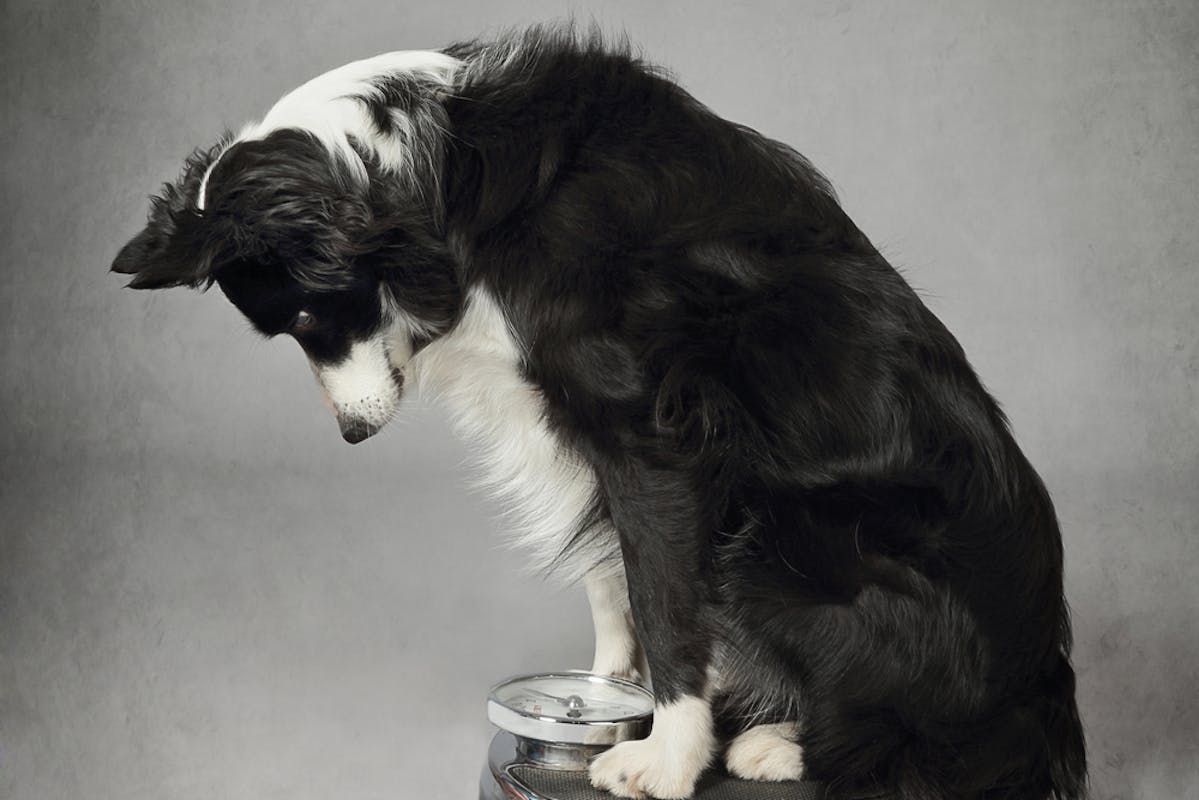
Being overweight is a big problem for our dogs
Good Dog is on a mission to educate the public, support dog breeders, and promote canine health so we can give our dogs the world they deserve.
Good Dog is on a mission to educate the public, support dog breeders, and promote canine health so we can give our dogs the world they deserve.
Good Dog is on a mission to educate the public, support dog breeders, and promote canine health so we can give our dogs the world they deserve.
By Dr. Mikel Delgado, PhD
The past few decades have seen a significant increase in the number of dogs who qualify as overweight or obese. Dogs are considered overweight when they are 10 - 20% over their ideal weight, and when they are 20%+ above the recommended weight, they are considered obese. Current estimates are that 40-45% of the dog population is overweight, with well over half of those overweight dogs also qualifying as obese.
Several factors have been identified as contributing to a dog’s risk for becoming overweight or obese. These include: neutering, which is associated with a slower metabolism; increased food consumption and high-fat diets; lack of activity; and aging, which is associated with decreases in mobility, activity, and metabolic function. Less common causes of obesity include infection by certain viruses and endocrine-related conditions. Some breeds also appear to be prone to being overweight, including Pugs, Beagles, Golden Retrievers, and English Springer Spaniels.
One challenge related to the overweight/obesity issue is a lack of owner education; many people do not know what a healthy dog should look like. Even when people recognize that a dog is overweight, we as a society often treat them as cute, or do not see overweight/obesity as a health concern.
Overweight dogs are susceptible to health issues
Unfortunately, being an overweight dog comes with a lot of detrimental consequences, the most common being diseases such as diabetes, cancer, and osteoarthritis. Overweight and obese dogs are also more susceptible to respiratory problems and urinary incontinence, and research suggests they live shorter lives than their leaner counterparts.
Some of the strongest evidence for the effects of obesity on dog health and lifespan were from a longitudinal study that followed dogs for their entire lives. Labrador Retrievers fed a restricted diet had longer life expectancy than those who were not. The dogs on a restricted diet had a body condition score (BCS) of 4.7 on a 9 point scale (considered ideal) while the control dogs had a BCS of 6.7 (considered overweight to heavy). The leaner dogs lived an average of two years longer than the control dogs, and did not experience health problems (joint issues, needing medication) until a later age than the control dogs.
How do we prevent obesity in our dogs?
Although genetics and environment contribute to dogs being overweight, ultimately it is the dog owner who has complete control over when, what, and how much a dog eats. A few easy ways we can help prevent our dogs from becoming obese or overweight include:
- Making sure our dogs receive yearly veterinary checkups
- Getting feedback from a veterinarian about daily caloric needs
- Weighing our dog’s food (instead of using a scoop or free-feeding)
- Weighing our dogs monthly to monitor their growth and weight gain
We can also get comfortable with the Body Condition Score (BCS), which is one tool your veterinarian will use to assess your dog’s weight. You can use this tool too - there are several examples available online that you can use as a guide. Some key features of a dog who is at an ideal weight is that when looking from above, you can see a taper to the waist and when looking from the side, you can usually see a tummy tuck. It’s important to note that there will be some differences based on breed.
The most consistent test for monitoring your dog’s BCS at home is feeling their ribs. When you touch your dog, you should easily feel each rib, without being able to see them through the skin: their ribs should feel like how your knuckles feel if you make a fist and touch it with your other hand. Again, there may be some individual differences based on your dog's coat thickness or length. Your veterinarian will assess your dog's BCS at each check up and record it in your dog’s health record, and they can also train you to assess your dog’s BCS at home.
What if your dog is already overweight?
If your dog is above the ideal weight, you will need to work with your veterinarian to come up with a weight loss plan for them. Dietary changes usually have to be done slowly, and systematically; gradual weight loss is generally maintained better than rapid weight loss. Some overweight dogs do best with a therapeutic diet to reduce calories and increase satiety while making sure they are receiving appropriate nutrient levels. Treats should be used sparingly and should be low-calorie (e.g., green beans, carrots, popcorn). Increased exercise, enrichment/play, and slow-feeders or food puzzles can also be helpful in weight management.
Making healthier choices for our dogs
Our dogs depend on us to help them maintain a healthy weight. Whether your dog is growing, an adult of ideal body condition, or a dog who is overweight, there are several steps you can take to get your dog on the right track. By working with your veterinarian on a weight goal, feeding your dog the right type and amount of food, and providing your dog with exercise and enrichment, you are increasing the chance that they can live a long, healthy, and happy life!
References
WSAVA Global Nutrition Committee: Body Condition Score
Kealy, R. D., Lawler, D. F., Ballam, J. M., Mantz, S. L., Biery, D. N., Greeley, E. H., ... & Stowe, H. D. (2002). Effects of diet restriction on life span and age-related changes in dogs. Journal of the American Veterinary Medical Association, 220(9), 1315-1320.
Laflamme, D. P. (2006). Understanding and managing obesity in dogs and cats. Veterinary Clinics: Small Animal Practice, 36(6), 1283-1295.
Pegram, C., Raffan, E., White, E., Ashworth, A. H., Brodbelt, D. C., Church, D. B., & O'Neill, D. G. (2021). Frequency, breed predisposition and demographic risk factors for overweight status in dogs in the UK. Journal of Small Animal Practice.
Salt, C., Morris, P. J., Wilson, D., Lund, E. M., & German, A. J. (2019). Association between life span and body condition in neutered client‐owned dogs. Journal of Veterinary Internal Medicine, 33(1), 89-99.

Join our Good Breeder community
Are you a responsible breeder? We'd love to recognize you. Connect directly with informed buyers, get access to free benefits, and more.