The Definitive Guide to Bringing Home Your New Dog
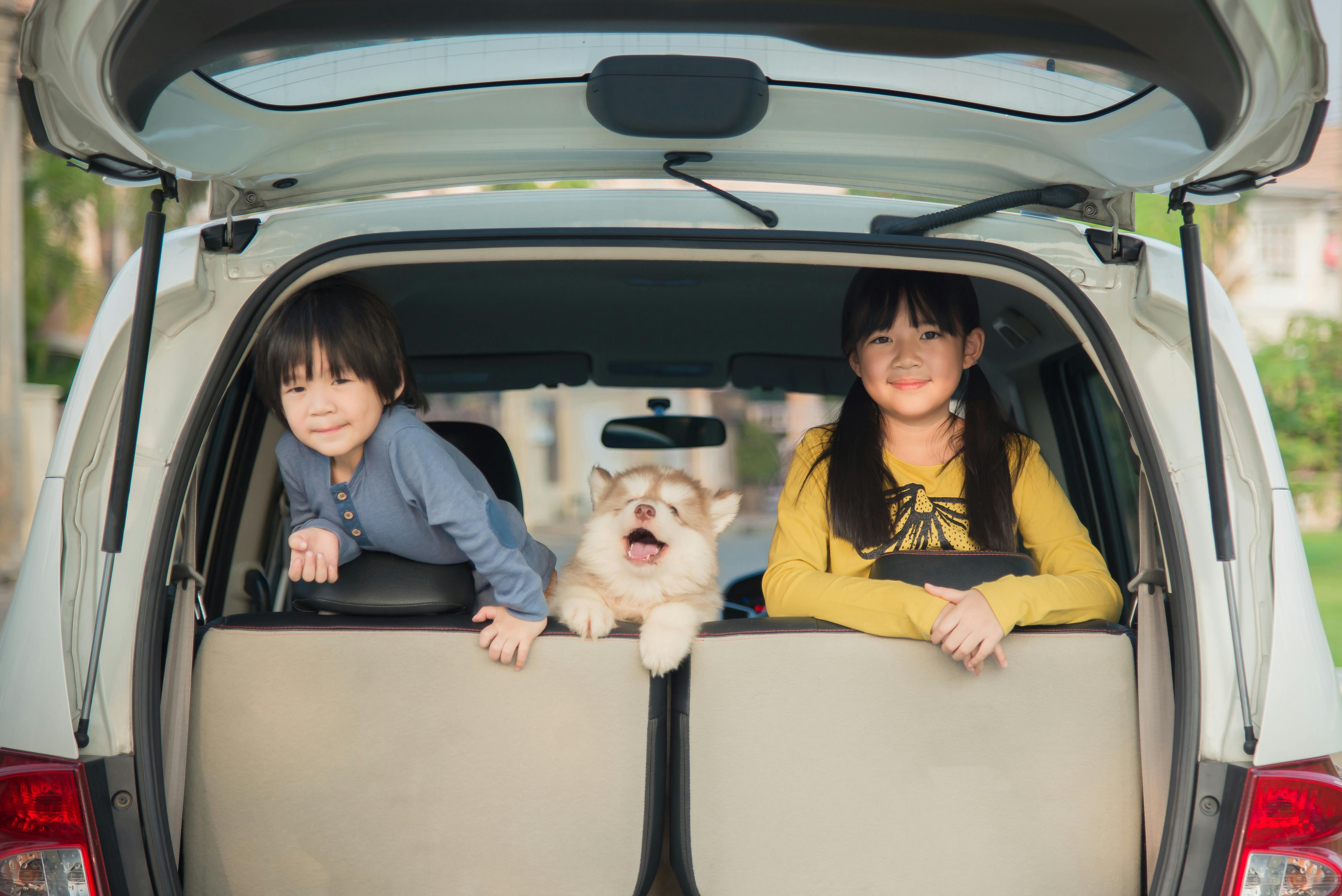
You found your new best friend, but now it's time to navigate how you're going to bring them home.

By
Good Dog is on a mission to educate the public, support dog breeders, and promote canine health so we can give our dogs the world they deserve.
Good Dog is on a mission to educate the public, support dog breeders, and promote canine health so we can give our dogs the world they deserve.
Good Dog is on a mission to educate the public, support dog breeders, and promote canine health so we can give our dogs the world they deserve.
Whether you decided to get a chunky Bernese Mountain Dog puppy or a bite-sized Chihuahua, one important question you’ll have to ask yourself before pick-up day is: How am I getting my puppy home?
The answer may depend on where you found your new best friend. If you’re working with a local breeder, you're likely driving distance from your new puppy. That can mean a short 30-minute trip a few towns over, but it's also common for people to travel long distances and even split their drive over several days. If you end up working with a source farther from home, you can fly to bring home your puppy or work with your breeder to get your puppy dropped off to you.
The idea of a small puppy traveling long distances can be overwhelming for many people, whether it's by plane or car. But weeks of socialization and preparation by your breeder make puppies well-equipped to navigate travel with an even temperament. So once you find the perfect puppy and agree on a pick-up date, all that's left to do is figure out which pick-up or drop off option is best for you.
In-person pick-up
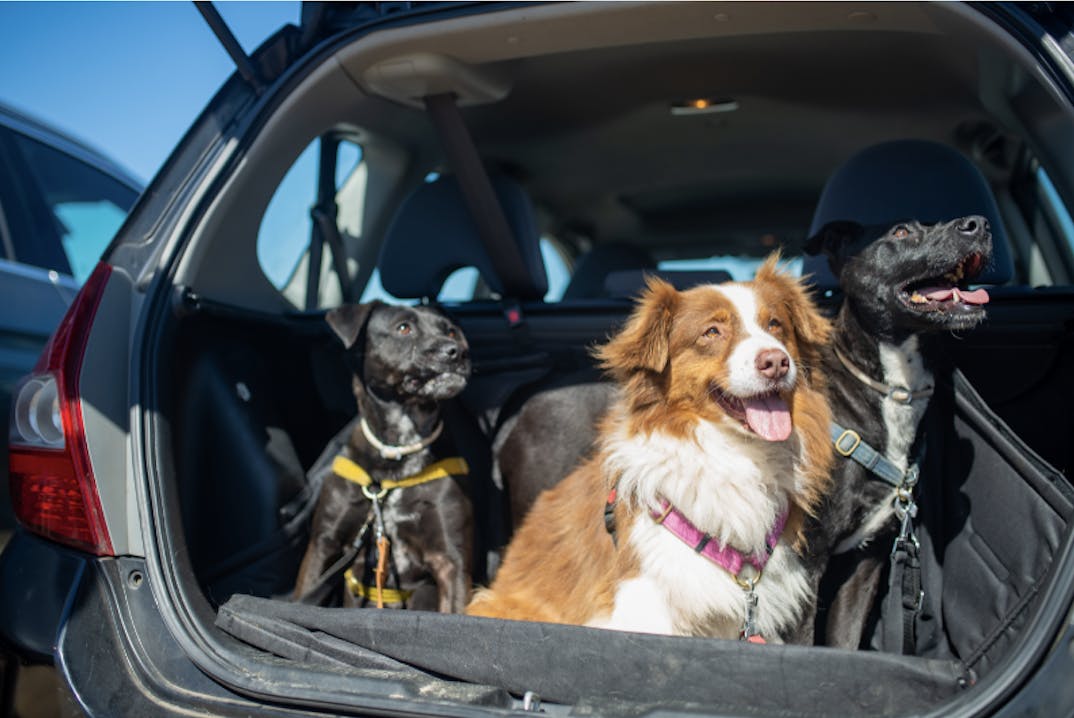
Travel to your puppy by car
If your breeder is local, the easiest option is to drive and meet at a location you’re both comfortable with to pick up your puppy. Some breeders might offer to meet you halfway to shorten your trip if you’re traveling a longer distance.
While it might be a little nerve-wracking bringing a puppy on their first road trip, most breeders start socializing their puppies with car rides early on, so your new best friend might already be an expert in hitting the road.
You can also take a few small steps to keep your puppy safe and comfortable on her first road trip. Bring a puppy go-bag stocked with essentials like poop bags, paper towels, pee pads, a waterproof blanket, edible chewies, fresh water bottles, and a water bowl.
When they need a break, avoid busy rest stops and pull over into a parking lot or another area where it will be less likely to be surrounded by other dogs. “You can’t just go to a rest stop and let the dog out [to go to the bathroom] because they could get sick,” said Animal Welfare Scientist Dr. Judi Stella. “The fewer people involved and the less exposure to other dogs, the better it’s going to be for your puppy.”
Fly to your puppy
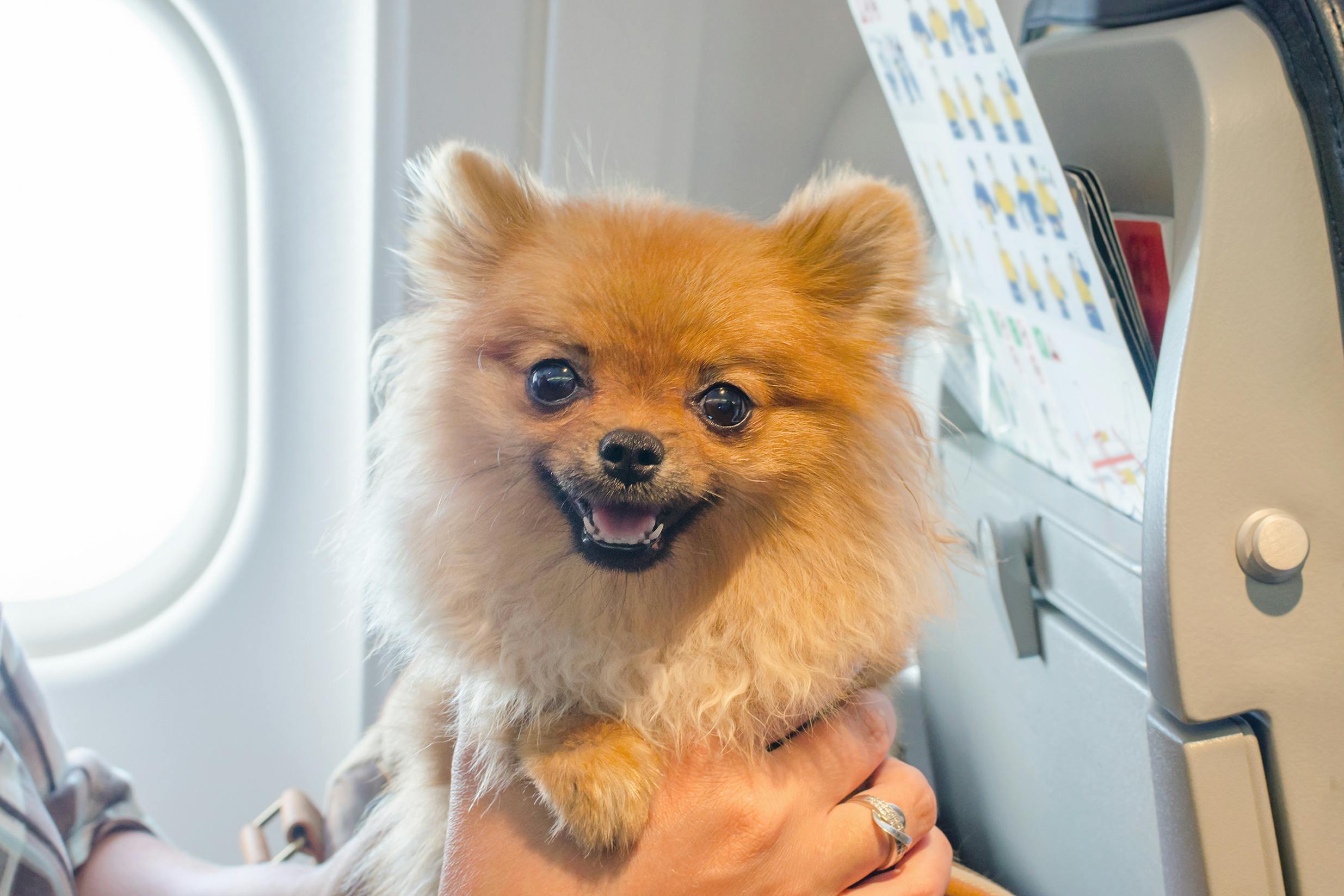
If you’re working with a breeder you can’t drive to, they might offer the option to meet you at their local airport. You can meet your breeder and your new puppy at arrivals and do a quick turnaround back home with your new best friend.
Check in advance your airline’s rules and regulations for flying with a dog in the cabin. Before you buy a potentially pricey round-trip ticket and pay the onboard pet fee, make sure your puppy is the right size and age to qualify. If you’re bringing home a larger breed like a Cane Corso or an Irish Wolfhound, you’ll want to be confident that your puppy will meet the weight requirements first.
Get your puppy dropped off to you
If picking up your puppy in person isn’t possible, many of our breeders offer options to transport your puppy to you by plane or ground safely and comfortably.
Work with a flight nanny
A flight nanny acts as your puppy’s chaperone, supervising and taking care of her through the entire journey. Flight nannies typically meet the breeder at the airport, carry your puppy through check-in and security, sit with her in the main cabin, and hand her off to you after the flight. Some breeders may serve as the flight nanny themselves, while others will connect you with a trusted professional they work with regularly.
Good Dog breeder Jamie S. of Carlsbad Cavaliers works with her flight nanny, Sandy Hunt, to deliver her Cavalier King Charles puppies to homes all across the United States.
“Seeing the faces of the families when they are united with their new family member [is my favorite part of the job],” said Hunt. When it comes to chaperoning puppies through highly trafficked areas, she's diligent about their safety. “I also always use the family restrooms for the pup to relieve themselves. Never use Designated Animal relief areas, so you don't expose new puppies to possible diseases," said Hunt.
As you’d expect, this special service costs extra. Along with round-trip airfare and onboard pet fees, expect to compensate a flight nanny for her time, especially for longer trips. If your future puppy is born somewhere too far to drive, know that incredible, caring people like Hunt are there to do everything they can to make sure your new family member gets to you as comfortably as possible. Even if they have to bear the horrors of the security line or experience the middle seat woes, your puppy will be safe with their flight nanny.
Pet-safe air cargo
If a flight nanny isn’t an option, or if your dog is too large to travel in the main cabin, most airlines can transport your puppy in the plane’s pet-safe cargo area. This special animal-only area in the hull of the plane is pressurized and temperature controlled, so it’s perfectly safe for dogs. Airlines also have restrictions in place when temperatures fall above or below safe levels for dogs to fly.
“I always let new puppy owners know that airlines have come a really long way in ensuring that dogs are kept very comfortable,” Good Dog Care Specialist Melissa Grant said. “They’re treated as really special cargo.”
Again, it’s important to know your airline’s rules and regulations when transporting your puppy via pet-safe air cargo. Some breeds, including brachycephalic (short, snub-nosed) dogs like Boxers and strong-jawed dogs like Rottweilers, aren’t typically allowed to fly in cargo due to health reasons or airline breed restrictions.
You should have access to tracking information for your puppy’s flight so you can time your arrival just right. Remember to bring a valid form of identification that matches the paperwork provided by your breeder when you finally meet your puppy at the airport’s cargo pick-up desk.
This can still be a stressful experience for dogs, especially puppies. Dr. Judi Stella said that pet-safe air cargo is her “least favorite option for the little guys,” or toy-breed puppies, “but it’s a little safer as they get older.” She stresses that the most important thing is to minimize puppies’ stress while in transit. Having your puppy shipped in the same crate to which the breeder has acclimated her, and traveling with a blanket or DAP spray, a dog appeasing pheromone, that has the scent of her mom and littermates, can help.
Ground transport
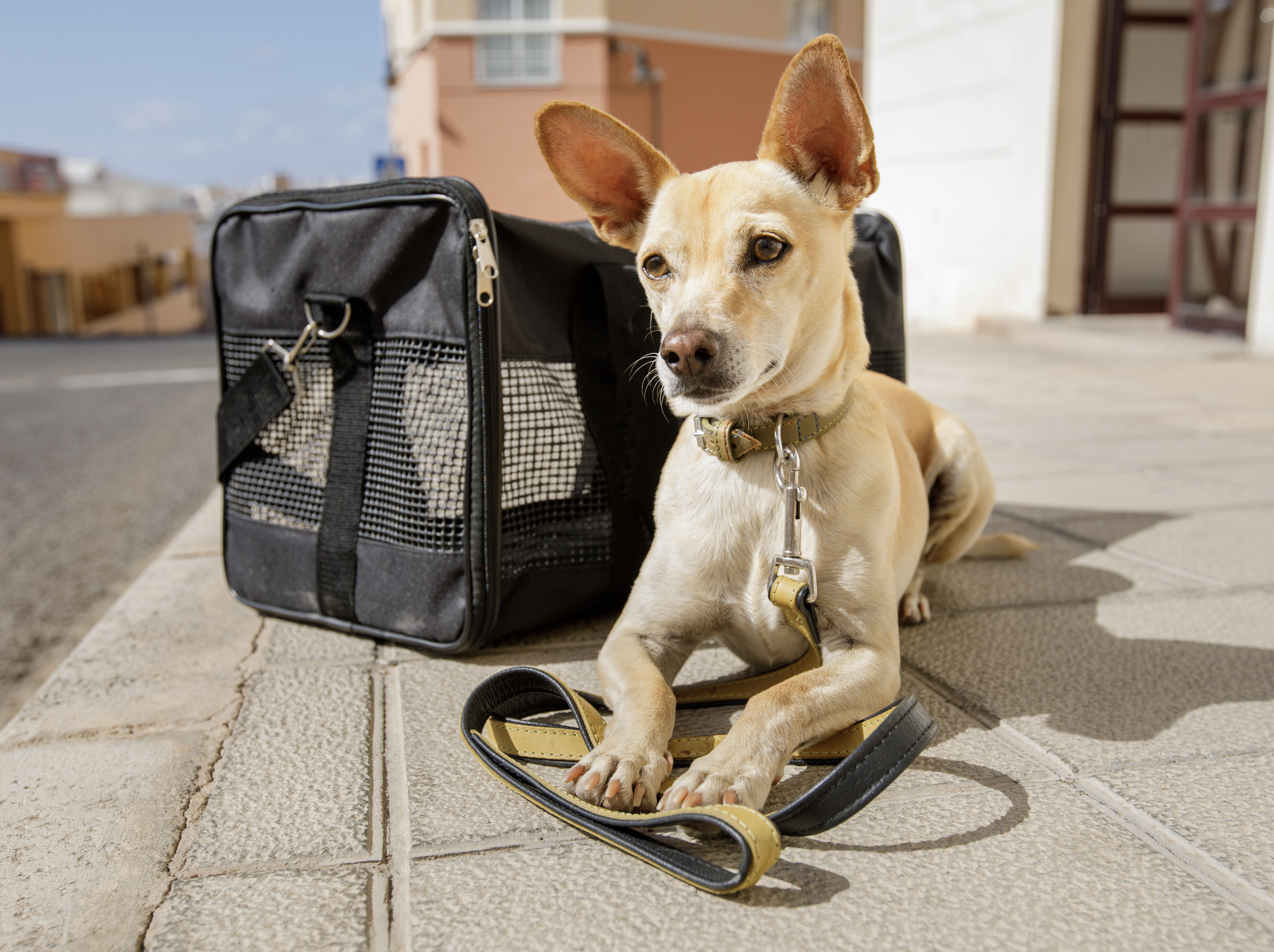
Having your puppy arrive by ground transportation is less common than by air. If you decide to go this route, you can work with your breeder to connect with their trusted transporter, who can safely and securely drive your puppy to you.
Ground transporters are well-versed in making car rides comfortable for their precious cargo, and they’ll be sure to take the necessary precautions when it comes to keeping your puppy far from highly trafficked areas during rest stops. “What’s important is to prepare them as best you can for the transportation experience,” Dr. Judi Stella emphasized, “and to minimize the amount of time they’re in that situation.” Your breeder will prepare your puppy with everything they need to get through the trip comfortably, but the less time your puppy spends in transit, the better.
Weighing your options
The best option for you is the one you feel most comfortable with. Your breeder can be a great resource to lean on as you weigh your pick-up and delivery options. Even if you choose to drive a long way to your puppy, rest assured that long drives are common when it comes to puppy pick-up day, and your breeder will have prepared your new best friend with all the socialization tools they’ll need to smoothly get through the trip home.
If you do decide to go with a dropoff option, you can check our list of Good Dog-approved transporters.