R and M Kennels
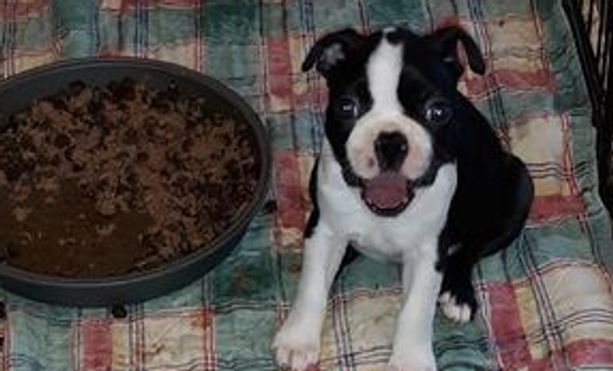

- Pittsburg, TX
- Responds within a few days
Meet the breeder
I'm Margaret C., the breeder behind R and M Kennels located in Pittsburg, TX. We offer top-quality puppies. Our mamas are matched with dads for health, temperament, and size. Our dogs are considered members of our family, and we give each dog and pup all the attention and care that they require to live happy, healthy lives. We love our dogs and puppies, and we know you will too!

Q. & A. with Margaret
Why did you start breeding?
We fell in love with the Boston Terrier breed. Our dogs have proven to be incredible, loving companions, and we wanted to share that experience with others by producing healthy, happy puppies. It is so fulfilling!What makes your program special?
We cherish each of our little puppies, and we do everything we can to make sure that they get the best lives possible. Our puppies are raised with love in our home, and we strive to help each one grow up with confidence so they are ready to leave with their new families.Where do your breeding dogs live?
They live in my home.

Getting a puppy from Margaret
Margaret has been certified by Good Dog’s screening team for responsible and trusted breeding practices. When you’re ready, reach out to ask about the puppies or anything else on your mind. You’ll get to know each other through messaging, phone, or video and pay securely, all on Good Dog.
Together, you’ll choose the puppy that’s right for you, stay in touch with regular updates, and plan how to bring your new puppy home.

Price
“Puppies are from CKC/CPR registered parents. They are JHC cleared through parentage. Puppies receive health checks, microchips, wormings, and age-appropriate vaccinations. Deposits are only taken after puppies are 2 weeks old and eyes are open.”
Contract & health guarantee
Margaret may provide a written contract or health guarantee when you purchase a puppy. This helps protect both you and your breeder, ensuring that you both have a clear understanding of the terms of your puppy purchase. If Margaret offers a contract or guarantee, the details will be personalized by them. If you have any questions or want to know more, don't hesitate to reach out to Margaret directly.
You’re protected
on Good Dog
When you pay and communicate on Good Dog, you’re covered by Payment Protection.
What's included
From Good Dog
- Lifetime support from Good Dog’s Care Team
- 10% lifetime discount on Figo pet insurance
- Puppy Training Program & private community
Puppy health practices
- Vet check
- First round of shots and deworming
Location & pick-up
You can drive or fly to pick up your puppy from Margaret.
Breeder's location
Meet in Pittsburg, TX
Other pick-up locations
More about Margaret
Margaret has been a member of Good Dog for about 5 years
Margaret was screened for responsible practices and has been a member since 2021.
Margaret’s links

Margaret is a trusted Good Dog breeder
R and M Kennels meets or exceeds our community standards in these areas:
- Responsible breeding practices
- Health of breeding dogs and puppies
- Puppy environment and enrichment
- Buyer education and policies
Parent health testing
Good level
R and M Kennels reports to performing the health tests below on their breeding dogs. Ask your breeder about the tests performed on the parents of your litter. Learn more about health testing for Boston Terriers.
Patellar Luxation
Knee testing reduces the chance of passing down Patellar Luxation, which results in the kneecap becoming displaced or dislocated and can cause mild to severe joint pain.