5 Reasons Why Owning a Rare Breed Dog is Life Changing
Good Dog is on a mission to educate the public, support dog breeders, and promote canine health so we can give our dogs the world they deserve.
Good Dog is on a mission to educate the public, support dog breeders, and promote canine health so we can give our dogs the world they deserve.
Good Dog is on a mission to educate the public, support dog breeders, and promote canine health so we can give our dogs the world they deserve.

1. You can help save a threatened breed
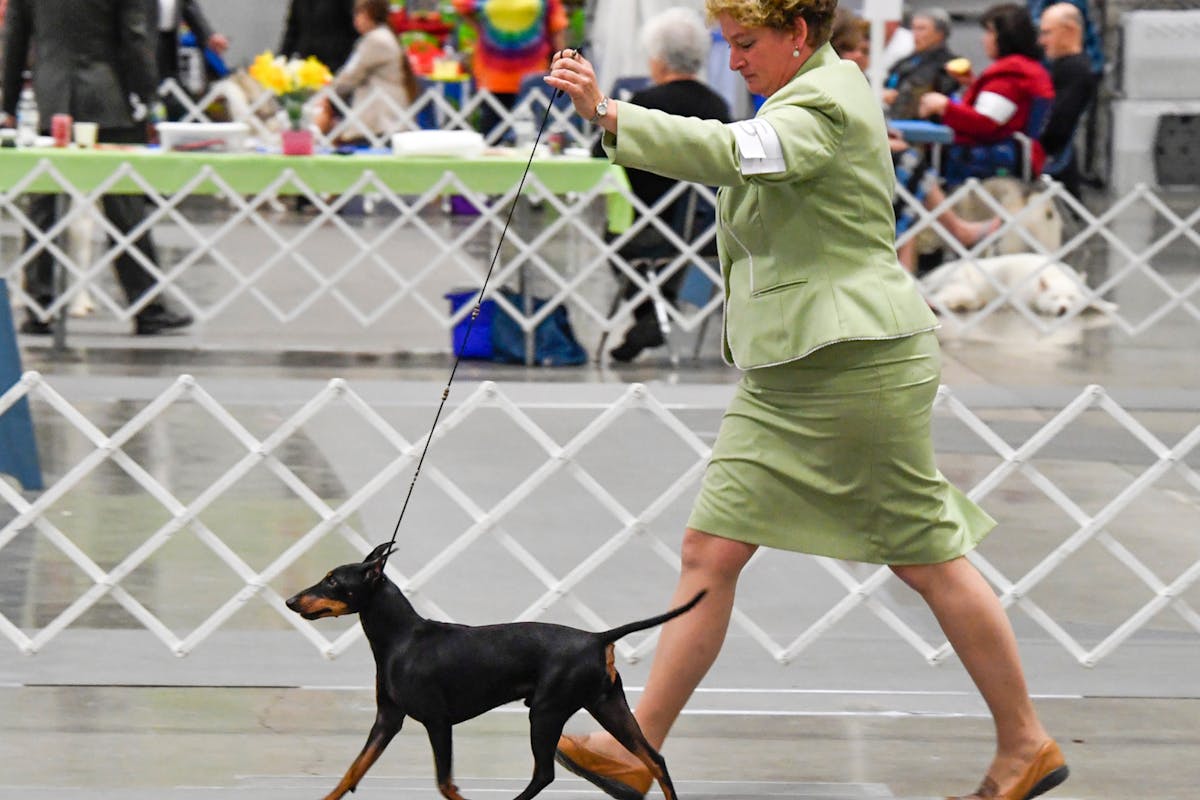
More than half of the breeds registered by the American Kennel Club are considered “low entry.” Many of those breeds register fewer than 100 puppies each year. From Dandie Dinmont Terrier to Manchester Terrier, from Otterhound to Harrier, from Lowchen to Norwegian Lundehund and dozens more, some of these breeds have fewer individual animals in existence worldwide than Giant Pandas. Many preservation breeders of these rare and threatened breeds do not breed often as there is such a small market for their puppies. As breeding dogs age and the numbers dwindle, diverse breeding populations are depleted. The availability of loving, forever pet homes helps ensure the continued existence of these charming and unique dogs.
2. You can preserve living history
“Purebred dogs are history and art. They are beauty and brains. They are living, breathing conduits to our past and to our future. They are our heart and our soul…and they are so much more.” — Laura Reeves, Host, PureDogTalk
Each of the 200 dog breeds, give or take, recognized world-wide, developed in a specific time and place to serve a specific need of mankind. Whether people needed a dog to help them move their flocks, capture game for food, guard their property or simply provide companionship, dogs were selectively bred for those purposes. In some cases for hundreds of years.
Preservation breeding encompasses the concept of “preserving” these dog breeds as living history. Some of these breeds no longer fulfill the specific job they were developed to do. Great Danes no longer hunt wild boar. Bulldogs no longer bait bulls as a spectator sport. Society changes and our long association with dogs morphs along with us. But history is ingrained in the genetic code of these dogs.
Join our Good Breeder community
Are you a responsible breeder? We'd love to recognize you. Connect directly with informed buyers, get access to free benefits, and more.
3. You can stand out from the crowd – not everyone has one
Some purebred dogs and crossbreeds are well known and commonplace. Rare breeds are, just that, rare. Uncommon. Unusual. Sometimes a bit of a curiosity, like the large, corded Komondor… Sometimes smushy and floppy, like the Sussex Spaniel. Sometimes elegant and aloof like the Azawakh. The striking Skye Terrier will always be a conversation starter. The fluffy, reindeer-herding Finnish Lapphund would melt even the Grinch’s heart. For the iconoclastic, rebel with a cause, there is certain to be a rare breed that is a perfect match for your lifestyle.
4. You can choose a dog that is the best match for your family.
That’s what I said! Your dog will reliably be the size, color, coat type, temperament and activity level you anticipate. Due to the generations of selection, each purebred dog is endowed with instincts and genetic makeup that tell us exactly what the dog will be and do. Dogs developed over centuries to move sheep from one place to another, quite predictably, will move your children, your cats, yourself, you name it. And they might even nip a bit when they do it. This is part of who and what that dog is at its very core. While its behavior can be shaped and directed, expecting the dog NOT to have those instincts is akin to asking the dog not to breathe.
Knowing the history of a breed’s purpose and function helps new dog owners select a breed that will be the best fit for their family. Rare breed dogs with generations of health testing, conformation testing, temperament testing and instinct testing are reliably the size, color, demeanor and coat type we expect. Knowing what to expect and acquiring a dog that is the best fit for one’s family from a preservation breeder who guarantees the dog a home for LIFE if the new owner is unable to keep it in their home for ANY reason is a great way to reduce owner surrenders to animal shelters and rescues.
5. You will meet people who are incredibly passionate about random factoids
Rare breed enthusiasts are just that. Enthusiastic! They love their breeds, know every detail of the breed’s history and can regale you with innumerable, little known tidbits of breed lore. These folks would put any Jeopardy player to shame – I’ll take Movies for $1,000 Alex…. And Double Jeopardy… This breed was featured in Disney’s original 1972 flick The Biscuit Eater? ZZZZZZZZZT…. Alex, what is a German Wirehaired Pointer….
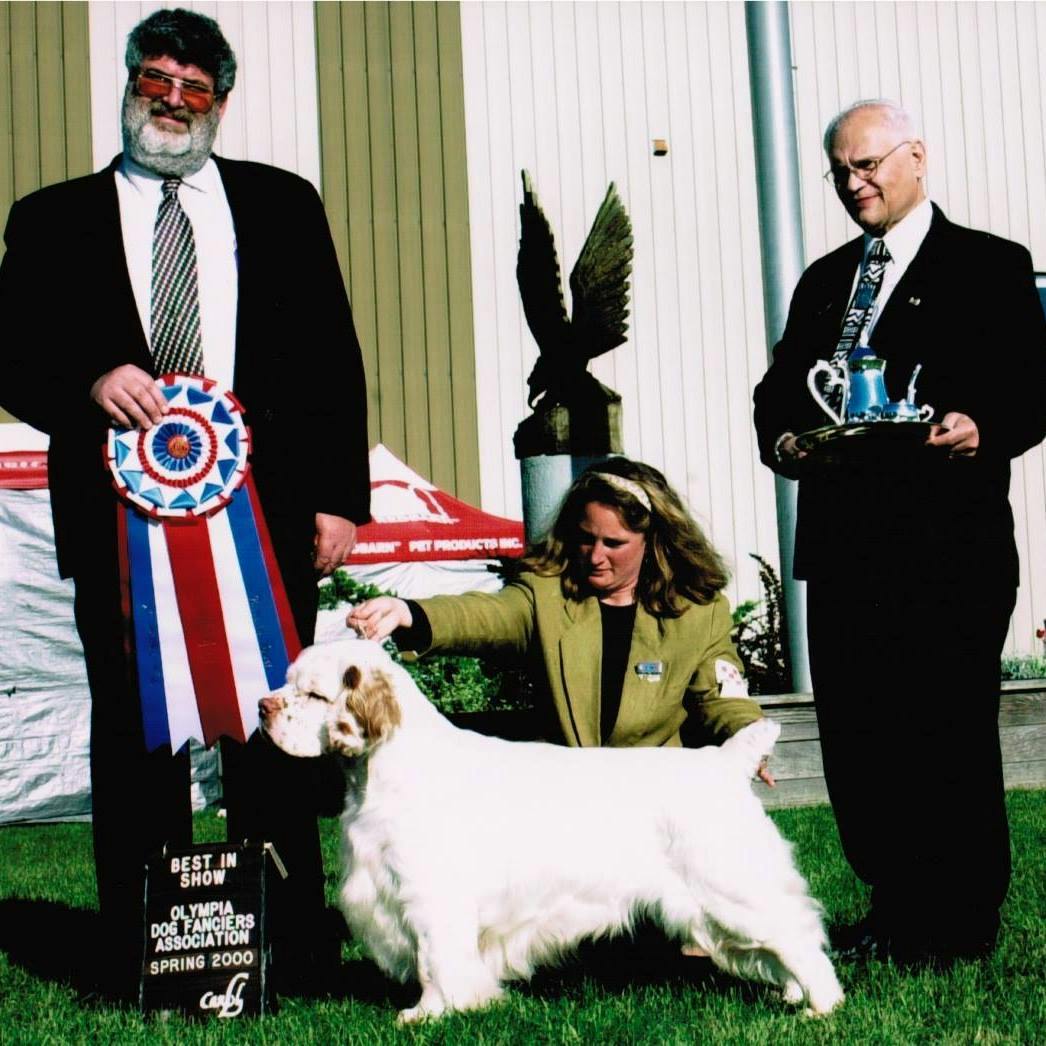
Rare breed enthusiasts gravitate to one another, whether at a dog show or walking in the park. It is always refreshing to hear “oh my gosh, you have a Clumber Spaniel” from another rare breed lover.
Whether you want to find a dog that is the exact best match for your family and lifestyle, with history, health, temperament and ability testing included, or you just want to be the coolest house on the block, rare breeds may well be the answer.
Interested in learning more about rare breeds? Join our Facebook Live Coffee Chat on Thursday, June 24th at 5pm EDT, hosted by me, featuring D'Arcy Downs-Vollbracht (Dandie Dinmont Terrier Club of America), Eve Teztlaff (National Entlebucher Mountain Dog Association), and Agi Hejja (Kuvasz Club of America)!