Canine distemper
A highly contagious disease that can be dangerous to your dog
By Dr. Mikel Delgado, PhD
Distemper is a highly contagious disease caused by a paramyxovirus. Distemper affects dogs and some wild animals, including raccoons, foxes, and skunks. Distemper is often spread through respiratory droplets, such as when infected dogs cough or sneeze near other dogs. It can also be spread when dogs have direct contact with infected dogs or their urine, feces, blood, or saliva or with contaminated surfaces such as food and water bowls. Distemper can have an incubation period of up to two weeks, but once infected, dogs can shed the virus for months.
Most cases of distemper occur in the fall and winter months. Puppies, older dogs, and unvaccinated dogs are most susceptible, as are dogs who are not up-to-date on their vaccination. Dogs housed with other dogs of unknown vaccination status, such as in an animal shelter, will be at higher risk. Puppies can also be infected by their mother while in utero.
Signs of canine distemper
This disease impacts multiple systems of the body, including the nervous, immune, respiratory, and gastrointestinal systems. Signs vary greatly and include:
- Digestive issues, such as vomiting, diarrhea and loss of appetite
- Respiratory signs such as sneezing and coughing, nasal and ocular discharge
- Neurological signs such as a head tilt, seizures, paralysis and involuntary eye movements
- Dermatological signs such as sores and thickened nose or foot pads
- Fever, lethargy, and pain
Distemper can be mild or severe. If you believe your dog has distemper or has been exposed to distemper, contact your veterinarian right away; with aggressive treatment, dogs have the best chance of recovery. Most dogs will have permanent neurological symptoms even if they are able to recover.
Diagnosis of canine distemper
Distemper can be distinguished from other conditions in that multiple organ systems are impacted simultaneously. Your veterinarian may perform some laboratory tests on your dog to rule out other conditions, including swabs of the eyes, nose and throat. They may test your dog’s blood, spinal fluid, or skin to test for paramyxovirus DNA.
Treatment of canine distemper
There is no cure for distemper; treatment is based on supportive care, including intravenous fluids/nutrition, seizure medication, pain relief, and antibiotics to treat any secondary bacterial infections. Even with hospitalization and treatment, most dogs die from distemper.
Prevention of canine distemper
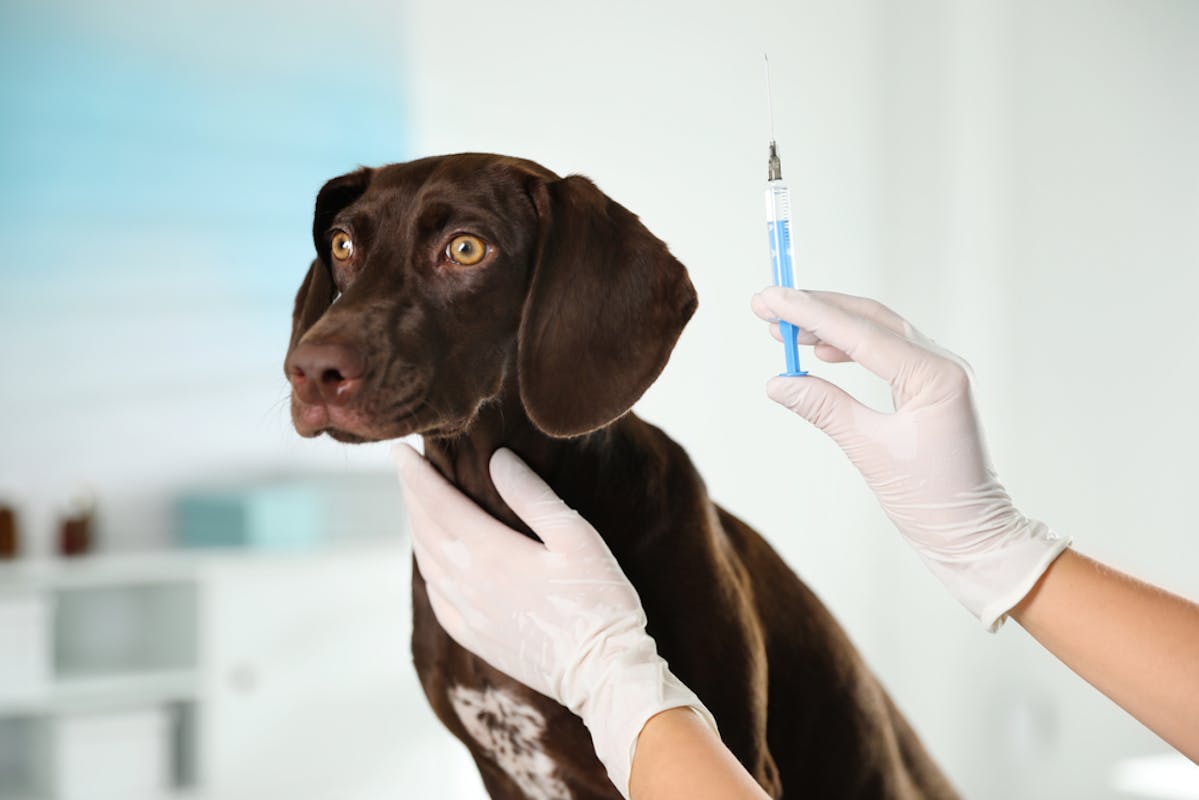
Vaccination is the best way to prevent your dog from getting distemper. Widespread vaccination has been successful in reducing the prevalence of distemper and it is critical to keep our dogs up to date on their distemper vaccination to prevent the spread of this deadly and debilitating disease.
The distemper vaccination is given as a series starting when puppies are six to eight weeks old and then every 3 to 4 weeks until your puppy is approximately four months old. A booster is recommended 1 year after the last puppy vaccine and every 3 years thereafter. Your veterinarian can advise you on the best vaccination schedule for your dog.
References and Further Resources
Dog Immunology Basics with Dr. Trisha Rettig, PhD
Vaccine-Preventable Infections & Building a Vaccine Plan for Your Dogs
Bruyette, D. S. (2020). Canine distemper. Clinical Small Animal Internal Medicine, 849-853.
Kapil, S., & Yeary, T. J. (2011). Canine distemper spillover in domestic dogs from urban wildlife. Veterinary Clinics: Small Animal Practice, 41(6), 1069-1086.
Martella, V., Elia, G., & Buonavoglia, C. (2008). Canine distemper virus. Veterinary Clinics of North America: Small Animal Practice, 38(4), 787-797.

Join our Good Breeder community
Are you a responsible breeder? We'd love to recognize you. Connect directly with informed buyers, get access to free benefits, and more.