Getting to know your breeder: What to ask
Questions that can help you be more prepared to buy your puppy!
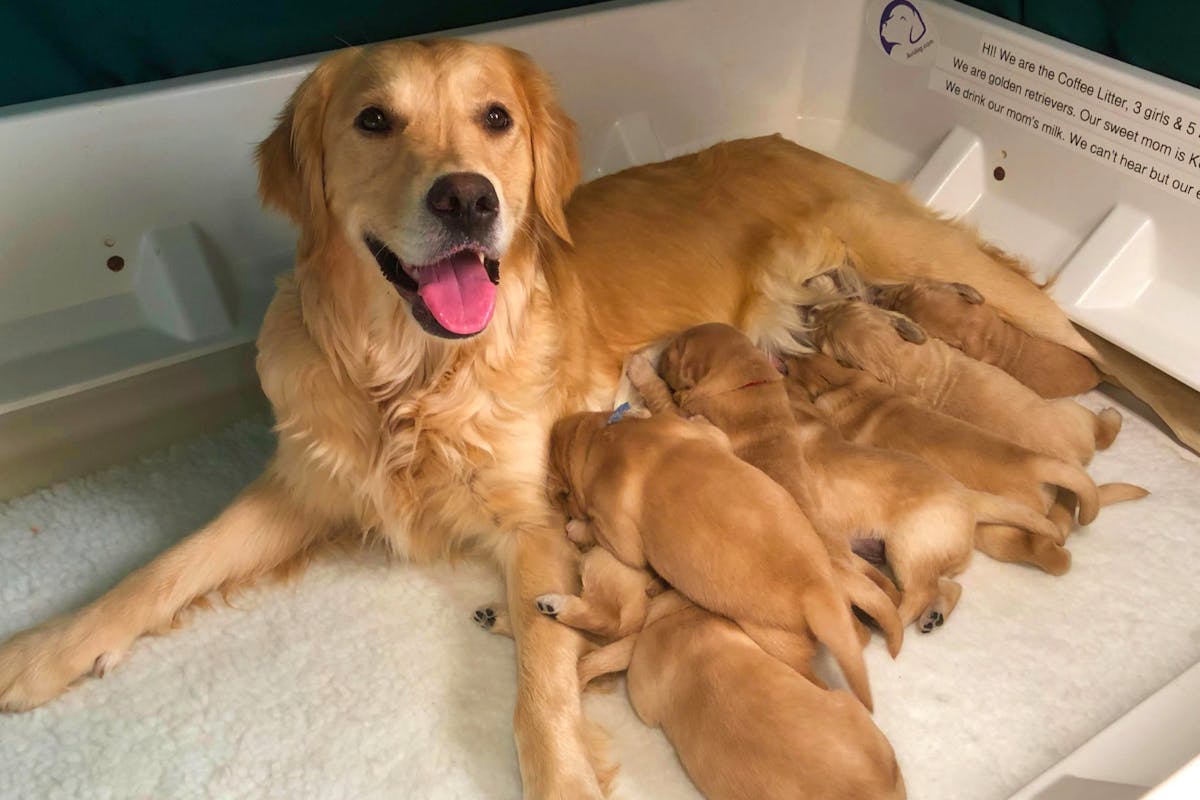
You’re ready to meet the breeder of your puppy! Do you know what questions to ask? This checklist will help you get to know your puppy’s breeder, and make sure their program is doing everything it can to produce healthy, happy puppies.
Environment/Touring the premises:
- Are adult dogs housed in a safe, clean, space with indoor and outdoor access?
- Are breeding dogs spending time indoors with the family?
- Do dogs have access to safe outdoor space e.g. a fenced-in yard or exercise area?
- Does mom have space to get away from the puppies if she wants to?
- Is there a quiet, non-stressful environment for nursing/whelping, ideally in the home?
- Is the environment comfortable (not too hot or cold, protected from the elements)?
- Is the space clean and well-maintained? (keeping in mind that puppies pee/poop a lot!)
Notes: Responsible breeding practices include provision of proper care and a clean, safe environment for all dogs on the premises. This includes indoor spaces with protection from extreme temperatures and outdoor access when temperatures are safe. Housing with wire floors is not comfortable or safe and should be avoided. Dogs should have comfortable, padded spaces for sleeping.
Breeding Practices
- How many breeding dogs does the breeder have under their care?
- How old are the parents of the litter you are interested in?
- How many litters have the parent dogs had?
Notes: Responsible breeders should have a manageable program where they can meet all of their dog’s needs, and they should have a license if legally required. Breeders should limit the number of litters a dog has during her lifetime: they should wait to breed a bitch until she is physically/mentally mature and she should be retired at a reasonable age in consultation with a licensed veterinarian.
Physical Health
- Are all adult dogs current on vaccinations?
- Are all adult dogs routinely treated for parasites (e.g. intestinal worms, heartworm, fleas, ticks)?
- Will the puppy come home with a health certificate?
- Will the puppy be examined by a licensed veterinarian prior to coming home?
- Will the puppy have age appropriate vaccinations prior to coming home?
- Will the puppy have been treated for parasites (e.g. intestinal worms, heartworm, fleas, ticks)?
Notes: Adult dogs should receive yearly preventative veterinary care and veterinary care when sick or injured. Prior to coming home, the puppy should have a veterinary exam, vaccinations, and treatment for parasites (deworming). A health certificate will be required if the puppy is flying or crossing state lines.
Mental and Emotional Health
- How old will the puppy be when they can go home?
- How does the breeder socialize their puppies?
- What type of training is done with breeding dogs and puppies?
- Are adult dogs provided with daily social time, exercise, and enrichment with people and other dogs (if appropriate)?
- Are the breeding dogs friendly and social with people?
Notes: The puppy should be at least 8 weeks old before leaving the breeder. The breeder should have a socialization program to safely introduce puppies to new sights, sounds, smells, other animals, and people of different ages and appearances. Training should use humane, evidence-based, positive reinforcement methods. Dogs should have opportunities to play, exercise, and interact with people, and should be friendly when you meet them.
Business practices
There are several documents that can be part of a puppy purchase. When you pick up your puppy you should also receive:
- Your puppy’s veterinary records (including vaccinations)
- Health Certificate (if applicable)
- Microchip/identification information (if applicable)
Ask your breeder if they have the following, and if so, you should receive a copy to review before you pick up your puppy:
- A sales contract that outlines the terms and conditions of your purchase
- A health guarantee that addresses both the current health of the puppy and any guarantees against genetic defects
Puppy purchases may also include:
- Your puppy’s pedigree and registration papers (if applicable)
Notes: Good Breeders stand behind their dogs for life. They typically provide an agreement to take back or help to rehome the puppy if you can no longer keep them. Paperwork may vary by breeder, and in some cases, documents may not be delivered at the time of purchase, and for example, may require your puppy to be spayed/neutered first.