Good Dog’s guide to COI resources
Learn more about the Coefficient of Inbreeding (COI) and genetic diversity
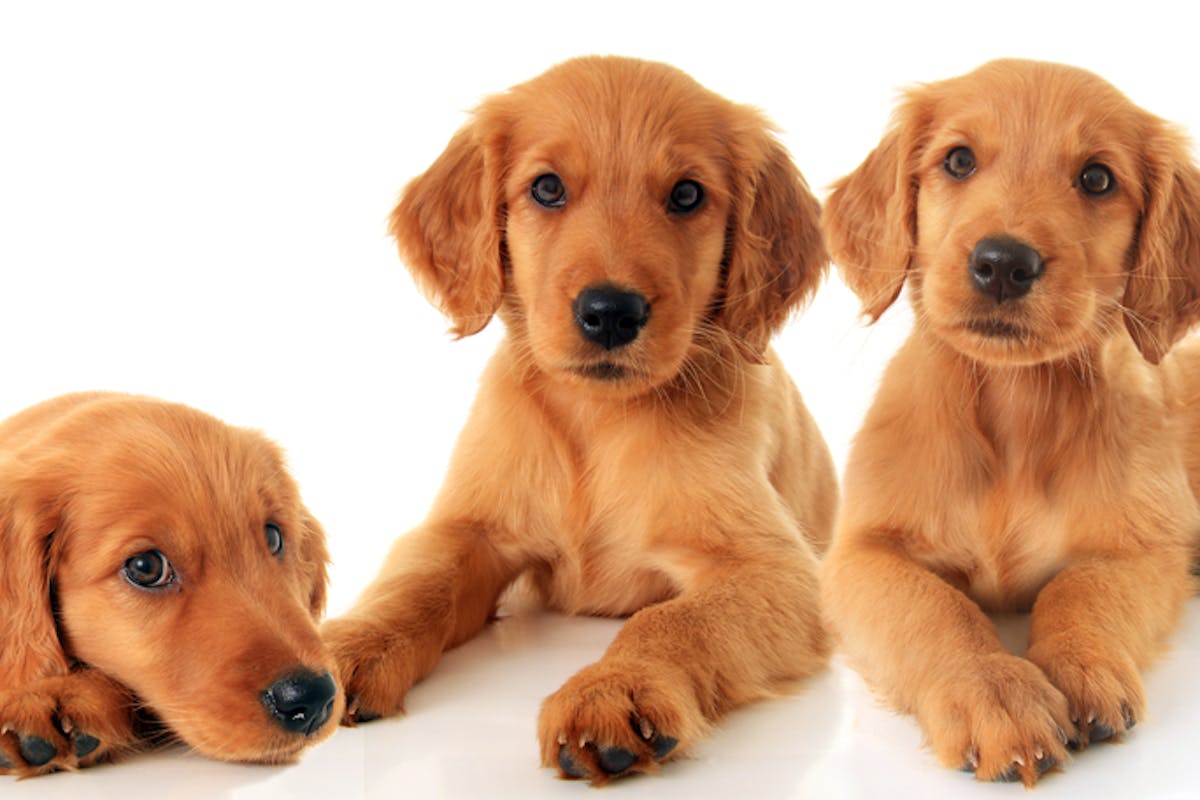
What is COI (coefficient of inbreeding)? It is the likelihood of an individual dog inheriting two copies of the same allele from ancestors on both sides of their pedigree.
To help you better understand COI, we put together this list of resources about COI and inbreeding that you may find helpful when planning future litters. We recommend that you utilize the genetic counseling that is offered by many testing companies to review the results from your dogs when planning litters.
Books
Sponeneberg P., Beranger J., Martin A., and Couch C. 2022. Managing Breeds for a Secure Future, 3rd ed. 5M Books; Essex UK.
Websites and courses
IPFD DogWellNet
- Genetic counseling resources
Demystifying Inbreeding - Dog Aging Project
Articles by Dr. Jerold Bell
Understanding Breeds As Populations
Videos
Inbreeding, Genetic COI, and Why They Matter to Your Breeding Program
Why Should We Consider Genetic COI in Breeding Decisions
Measuring Inbreeding and How Genetic COI Can Help Your Breeding Program
Journal articles
Bannasch, D., Famula, T., Donner, J. et al. The effect of inbreeding, body size and morphology on health in dog breeds. Canine Genet Epidemiol 8, 12 (2021). https://doi.org/10.1186/s40575-021-00111-4
Calboli, F. C. F., Sampson, J., Fretwell, N., & Balding, D. J. (2008). Population Structure and Inbreeding From Pedigree Analysis of Purebred Dogs. Genetics, 179(1), 593–601. doi:10.1534/genetics.107.084954
Chu, E. T., Simpson, M. J., Diehl, K., Page, R. L., Sams, A. J., & Boyko, A. R. (2019). Inbreeding depression causes reduced fecundity in Golden Retrievers. Mammalian Genome, 30(5-6), 166–172. doi:10.1007/s00335-019-09805-4
Jansson, M., & Laikre, L. (2018). Pedigree data indicate rapid inbreeding and loss of genetic diversity within populations of native, traditional dog breeds of conservation concern. PLOS ONE, 13(9), e0202849. doi:10.1371/journal.pone.0202849
Leroy, G. (2011). Genetic diversity, inbreeding and breeding practices in dogs: Results from pedigree analyses. The Veterinary Journal, 189(2), 177–182. doi:10.1016/j.tvjl.2011.06.016
Leroy, G., Phocas, F., Hedan, B., Verrier, E., & Rognon, X. (2015). Inbreeding impact on litter size and survival in selected canine breeds. The Veterinary Journal, 203(1), 74–78. doi:10.1016/j.tvjl.2014.11.008
Lewis, T. W., Abhayaratne, B. M., & Blott, S. C. (2015). Trends in genetic diversity for all Kennel Club registered pedigree dog breeds. Canine Genetics and Epidemiology, 2(1). doi:10.1186/s40575-015-0027-4
Marsden, C. D., Ortega-Del Vecchyo, D., O’Brien, D. P., Taylor, J. F., Ramirez, O., Vilà, C., … Lohmueller, K. E. (2015). Bottlenecks and selective sweeps during domestication have increased deleterious genetic variation in dogs. Proceedings of the National Academy of Sciences, 113(1), 152–157. doi:10.1073/pnas.1512501113
Nicholas, F., Arnott, E., and McGreevy, P. (2016). Hybrid vigour in dogs? The Veterinary Journal, 214, 77-83. https://doi.org/10.1016/j.tvjl.2016.05.013
Pedersen, N. C., Brucker, L., Tessier, N. G., Liu, H., Penedo, M. C. T., Hughes, S., … Sacks, B. (2015). The effect of genetic bottlenecks and inbreeding on the incidence of two major autoimmune diseases in standard poodles, sebaceous adenitis and Addison’s disease. Canine Genetics and Epidemiology, 2(1). doi:10.1186/s40575-015-0026-5
Sams, A. J., & Boyko, A. R. (2018). Fine-Scale Resolution of Runs of Homozygosity Reveal Patterns of Inbreeding and Substantial Overlap with Recessive Disease Genotypes in Domestic Dogs. G3: Genes|Genomes|Genetics, g3.200836.2018. doi:10.1534/g3.118.200836
Wade, C. M. (2011). Inbreeding and genetic diversity in dogs: Results from DNA analysis. The Veterinary Journal, 189(2), 183–188. doi:10.1016/j.tvjl.2011.06.017
Wildt, D. E., Baas, E. J., Chakraborty, P. K., Wolfle, T. L., & Stewart, A. P. (1982). Influence of inbreeding on reproductive performance, ejaculate quality and testicular volume in the dog. Theriogenology, 17(4), 445–452. doi:10.1016/0093-691x(82)90026-7
Yordy, J., Kraus, C., Hayward, J. J., White, M. E., Shannon, L. M., Creevy, K. E., … Boyko, A. R. (2019). Body size, inbreeding, and lifespan in domestic dogs. Conservation Genetics, 21(1), 137–148. doi:10.1007/s10592-019-01240-x