Serum bile acid testing for dogs and registration with OFA
How well is your dog's liver functioning? This test can tell you.
Good Dog is on a mission to educate the public, support dog breeders, and promote canine health so we can give our dogs the world they deserve.
Good Dog is on a mission to educate the public, support dog breeders, and promote canine health so we can give our dogs the world they deserve.
Good Dog is on a mission to educate the public, support dog breeders, and promote canine health so we can give our dogs the world they deserve.
By Dr. Mikel Delgado, PhD and Dr. Nate Ritter, DVM
Bile Acid testing helps assess how well the liver is working. Bile acids are made by the liver, and stored in the gallbladder. They are released into the small intestine during digestion, where they mix with foods and break down fats. After digestion, bile acids are “recycled,” passing through the intestines, into the bloodstream, and back to the gallbladder until the next meal.
When bile acid levels are high, it indicates a problem with the liver. The test cannot provide specific information about why bile acid levels are high. Dogs with elevated bile acid levels should be monitored and additional diagnostics may be needed, including ultrasound or liver biopsy.
The OFA maintains a serum bile database to allow for screening for two liver disorders: PSVA (portosystemic vascular anomaly) and MVD (microvascular dysplasia). Both of these conditions are inherited genetic disorders that are also congenital (present at birth). PSVA and MVD frequently co-occur. Normal bile acid levels suggest the absence of these two conditions, allowing breeders to make informed breeding decisions. Dogs with PSVA and/or MVD should not be bred.
Some breeds of dogs have increased risk of PSVA, including Yorkshire Terriers, Old English Sheepdogs, Irish Wolfhounds, Cairn Terriers, and Beagles. MVD is more prevalent among Yorkshire Terriers and Cairn Terriers.
The effects of these conditions range from mild to severe. Dogs with either condition may show “failure to thrive” and be abnormally small or slow to gain weight. Urinary tract problems and digestive signs such as vomiting and diarrhea may be present as dogs get older.
There is no definitive treatment for PSVA or MVD. Some dogs will experience improvement with dietary changes and antibiotics that reduce the workload of the liver. But PSVA and MVD can shorten a dog’s lifespan.
Testing and registration protocol
- For valid results, the testing protocol for Serum Bile Acid levels must be followed exactly.
- Test results must be processed by IDEXX, Antech, or a veterinary college diagnostic laboratory. In-house veterinary clinic results will not be accepted.
- For inclusion in the OFA serum bile acid database, dogs must be at least 16 weeks of age at the time of the testing.
- Tests can be paired, after fasting (pre-prandial) and two hours after a small amount of high-protein food has been eaten (post-prandial) or a single, post-prandial test.
- The OFA protocol only requires the post-prandial sample. Submitting both tests is recommended in order to establish a better baseline for comparison.
Preparing for the test
- Withhold food, treats and chew toys from your dog for at least 8 hours before your appointment.
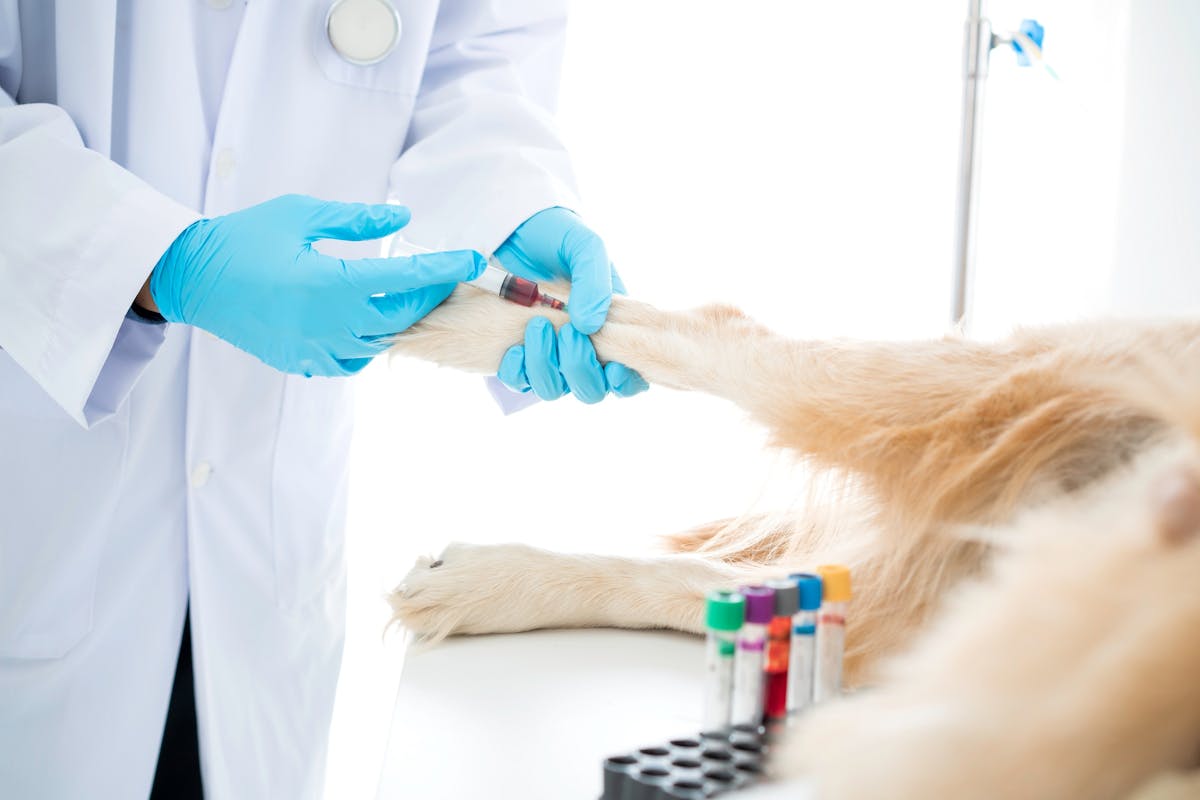
- For the optional pre-prandial sample, your veterinarian will take a sample of blood from your dog, labelling it “fasted” and with your dog’s identification.
- For the post-prandial sample, your veterinarian will give your dog a small amount of a high-protein wet food.
- Two hours later, your veterinarian will take another blood sample, labelling it “two hour” and with your dog’s identification.
- The samples will be prepped for transport to an approved laboratory.
OFA Database Reporting
- Dogs with post-prandial serum bile acid values under high-normal range cutoffs will be reported as Normal.
- If both pre-prandial and post-prandial samples were submitted, BOTH reported serum bile acid values must be under the high-normal range cutoffs to be reported as Normal.
- Any other result is considered ambiguous for clearance purposes.
- If serum bile levels are outside of the normal reference range, additional testing would be necessary to determine if PSVA or MVD is present.
- The application form, signed by the veterinarian, must be sent to the OFA along with the laboratory report and a $15 registration fee.
Note: The registration fee is only to file the results and does not cover the cost of the veterinary exam or blood tests.
For more information:


Join our Good Breeder community
Are you a responsible breeder? We'd love to recognize you. Connect directly with informed buyers, get access to free benefits, and more.