Adenovirus
This virus can cause infectious canine hepatitis and canine infectious tracheitis
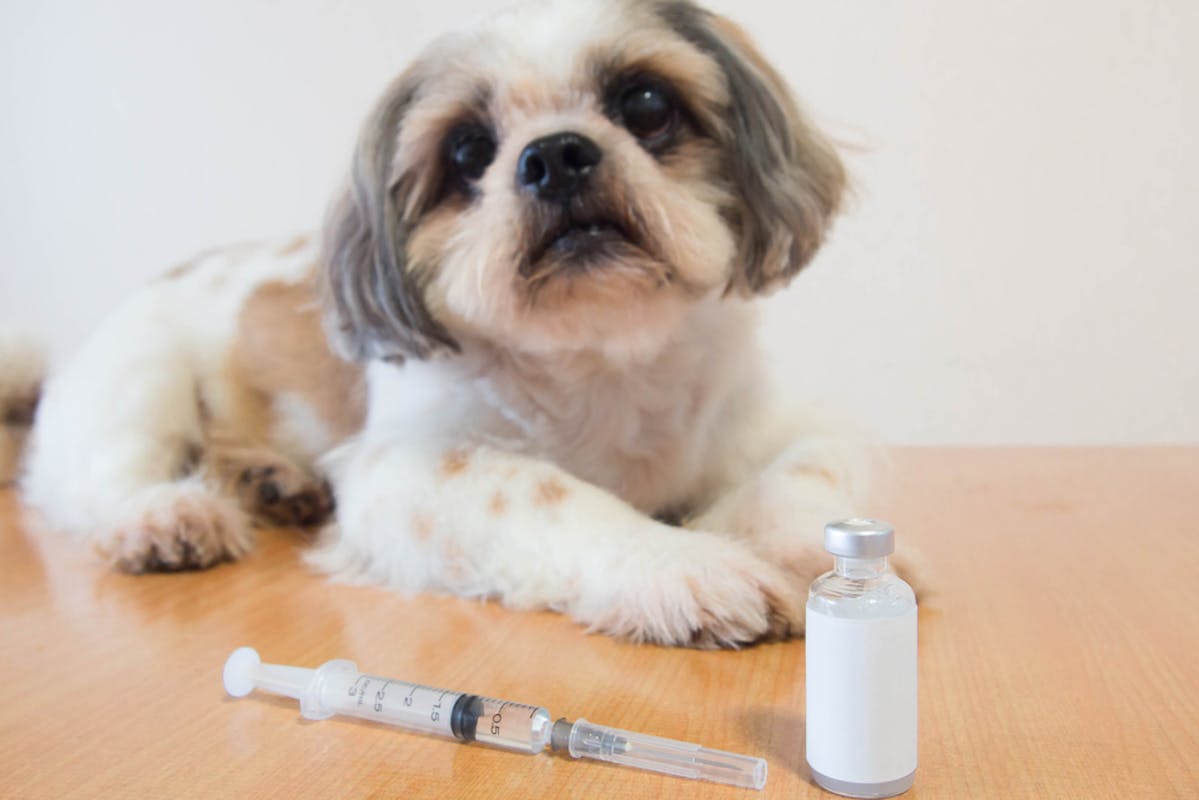
Canine adenovirus (CAV) is a virus that can affect dogs and other canine species. There are two forms of CAV, Type 1 (CAV-1) and Type 2 (CAV-2). Both forms of the virus are spread via contact with the feces and bodily fluids (including urine, as well as nasal, ocular, and respiratory droplets) of an infected dog. A few days after exposure, the virus spreads from the dog’s respiratory system into the bloodstream. The dog is now potentially infectious to other dogs and can be infectious for up to two weeks. Dogs who frequently interact with other dogs, such as in boarding facilities, grooming salons, daycare, or dog parks are at an increased risk of contracting the virus.
CAV-1 and infectious canine hepatitis
CAV-1 causes infectious canine hepatitis, which impacts the liver, kidneys, eyes, and cells of the blood vessels.
The clinical signs of infectious canine hepatitis depend on the dog’s health and severity of infection. Signs of a mild infection with CAV-1 include lethargy, decreased appetite, and fever. Some dogs will develop cloudiness in their eyes, and may show respiratory signs such as coughing and nasal discharge. Puppies are most susceptible to severe infection and may also have signs such as vomiting, jaundice, edema (fluid retention), and diarrhea. Infectious canine hepatitis can be fatal in vulnerable dogs.
CAV-2 and infectious tracheobronchitis
CAV-2 causes infectious tracheobronchitis (a component of kennel cough), leading to coughing, gagging, and nasal or ocular discharge. For many dogs, infection with the CAV-2 virus will resolve on its own without treatment. In some dogs, infection can lead to pneumonia. It should be noted that several other viruses can cause infectious canine tracheobronchitis.
Diagnosis of adenovirus infection
Diagnosis is generally based on clinical signs, the dog’s vaccination history, and the dog's risk of exposure. Diagnostics used to assess infectious canine hepatitis may also include blood tests, tests for antibodies to CAV-1, ultrasound, x-rays, or a liver biopsy.
Treatment of adenovirus infection
Treatment for infection of either type of adenovirus is based on supportive care, including intravenous fluids, and medications to relieve clinical signs or treat any secondary bacterial infections. In the case of infectious hepatitis, some dogs may need nutritional therapy, blood transfusions, or hospitalization. Dogs may need long-term care at home, including being monitored for signs of liver failure.
Prevention of adenovirus infection
Vaccination is the most effective way to prevent infection with adenovirus. The CAV-2 vaccine is given as a series starting when puppies are six to eight weeks old and then every 3 to 4 weeks until the puppy is approximately four months old. A booster is recommended 1 year after the last puppy vaccine and every 3 years thereafter. The vaccine for CAV-2 is highly effective and also protects your dog from CAV-1. As with any vaccine, there is a possibility for breakthrough infection to occur despite a dog being fully vaccinated. However, if a vaccinated dog does contract adenovirus the risk of severe clinical signs and death is much less than in an unvaccinated dog.
References and Further Resources
Dog Immunology Basics with Dr. Trisha Rettig, PhD
Vaccine-Preventable Infections & Building a Vaccine Plan for Your Dogs
Bergmann, M., Freisl, M., Zablotski, Y., Speck, S., Truyen, U., & Hartmann, K. (2020). Antibody response to canine adenovirus-2 virus vaccination in healthy adult dogs. Viruses, 12(10), 1198.
Decaro, N., Martella, V., & Buonavoglia, C. (2008). Canine adenoviruses and herpesvirus. Veterinary Clinics of North America: Small Animal Practice, 38(4), 799-814.
Marusyk, R. G., Norrby, E., & Lundqvist, U. (1970). Biophysical comparison of two canine adenoviruses. Journal of Virology, 5(4), 507-512.
Sykes, J. E. (2014). Infectious canine hepatitis. Canine and Feline Infectious Diseases, 182.

Join our Good Breeder community
Are you a responsible breeder? We'd love to recognize you. Connect directly with informed buyers, get access to free benefits, and more.