Brucellosis: A highly contagious bacteria that can affect dogs
Brucellosis is a serious condition that all dog breeders need to be aware of.
Good Dog is on a mission to educate the public, support dog breeders, and promote canine health so we can give our dogs the world they deserve.
Good Dog is on a mission to educate the public, support dog breeders, and promote canine health so we can give our dogs the world they deserve.
Good Dog is on a mission to educate the public, support dog breeders, and promote canine health so we can give our dogs the world they deserve.
What is Brucellosis?
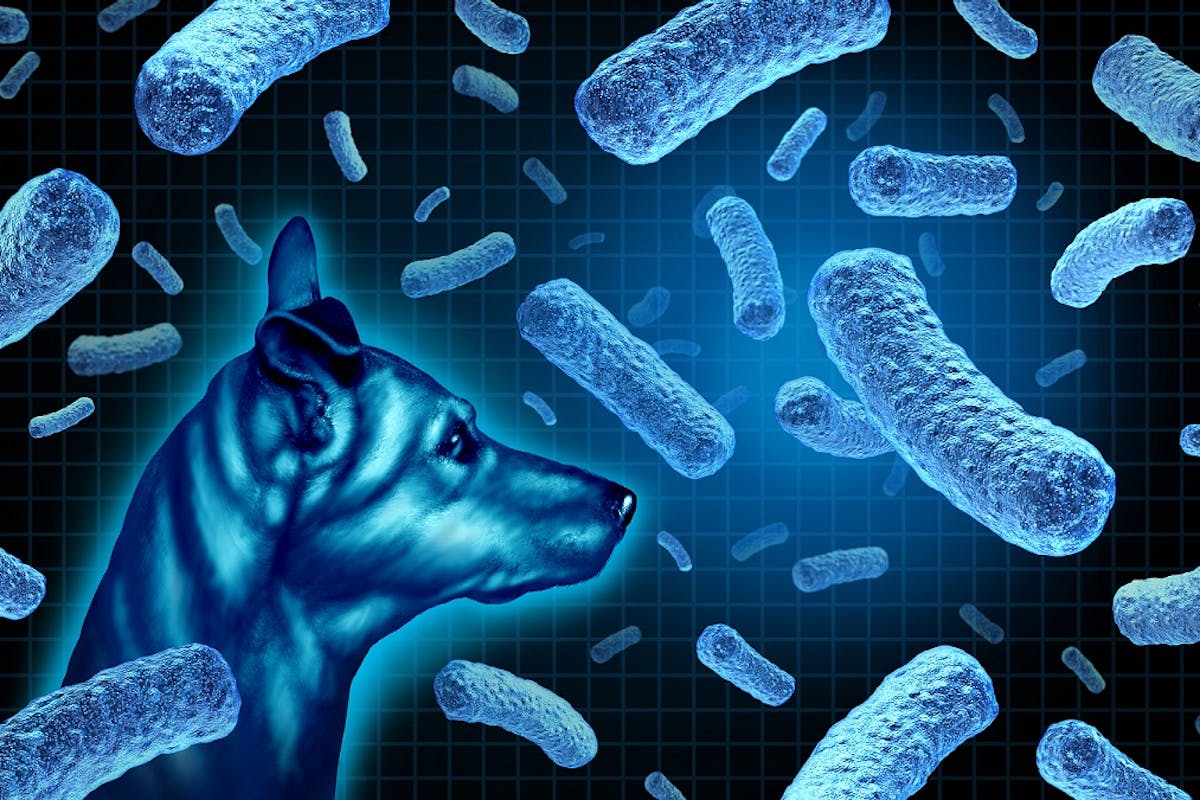
Brucellosis is a condition that all breeders need to be aware of and test their breeding dogs for. It is caused by a type of bacteria called brucella. There are 10 species of brucella but Brucella canis (or B. canis) is most concerning for dogs. It is spread via the bodily fluids of infected dogs. Common modes of infection are sexual and oral through contact with infected bodily fluids (e.g. semen, urine, saliva, milk), tissues, or contaminated equipment. Infection via inhalation has also been documented.
The most common sign of brucellosis is reproductive difficulty, including infertility and spontaneous abortion. Other signs include vaginal discharge, enlarged or atrophied testicles, and swollen lymph nodes. Some dogs may be subclinical and show no signs other than failure to produce viable puppies. In some cases, the infection may spread to the brain, spine or other organs.
Dogs can be infected for life
Brucellosis is a serious concern not just because of the health problems it causes; to date, there is no treatment that completely eliminates the bacteria. Antibiotics can help with symptoms, but dogs should be considered infected (and infectious) for life, and ideally should be isolated from other dogs for life. Spaying and neutering can reduce the amount of bacteria shed, so infected dogs should be sterilized.
Preventing the spread of B. canis among your dogs
It is important to recognize that subclinical dogs can still spread the infection to other dogs. The best approach to B. canis is to prevent it in your breeding program. This means:
- Quarantining any new dogs for 8 weeks and then testing them for B. canis before introducing them to other dogs in your program
- Routinely testing your breeding dogs for B. canis either at the time of breeding or every 6 months
- Cleaning and disinfecting dog housing areas frequently
If any dogs test positive:
- The entire kennel population should be evaluated and re-screened every 3 months
- The kennel should be quarantined until all dogs have tested negative three times with 3 months between tests
- Positive dogs should be removed from the kennel/breeding program
Infection is diagnosed by a RAST (rapid slide agglutination test) or indirect fluorescent antibody (IFA) blood test, which can detect B. canis three to four weeks after exposure. False positives are common, so dogs who test positive should be retested with an agar gel immunodiffusion test (AGID; preferred) or tube agglutination test (TAT) to confirm diagnosis at least 12 weeks after exposure.
Brucellosis: Risks to humans
Brucellosis is a zoonotic disease, meaning that it can be transmitted from dogs to humans, primarily through infected bodily fluids. Depending on where you live, infected dogs may need to be reported to public health agencies.
The risks of transmission are relatively low, but people who are immuno-compromised should practice caution when in regular contact with breeding dogs, or assisting with whelping, including wearing disposable gloves and routinely washing hands.
An outbreak of brucellosis can destroy a breeding program quickly, and lead to unnecessary euthanasia of dogs. For this reason, it is critical to understand B. canis, and test your dogs for it regularly.
Resources
AKC/CHF Canine Brucellosis Fact Sheet
CDC: Brucellosis in Dogs and Public Health Risk
Frontiers in Veterinary Science Canine Brucellosis: An Update
USDA: Best Practices for Brucella canis Prevention and Control in Dog Breeding Facilities

Join our Good Breeder community
Are you a responsible breeder? We'd love to recognize you. Connect directly with informed buyers, get access to free benefits, and more.