Canine von Willebrand disease (vWD)
An inherited bleeding disorder that is found in dogs and humans alike
by Dr. Mikel Delgado, PhD
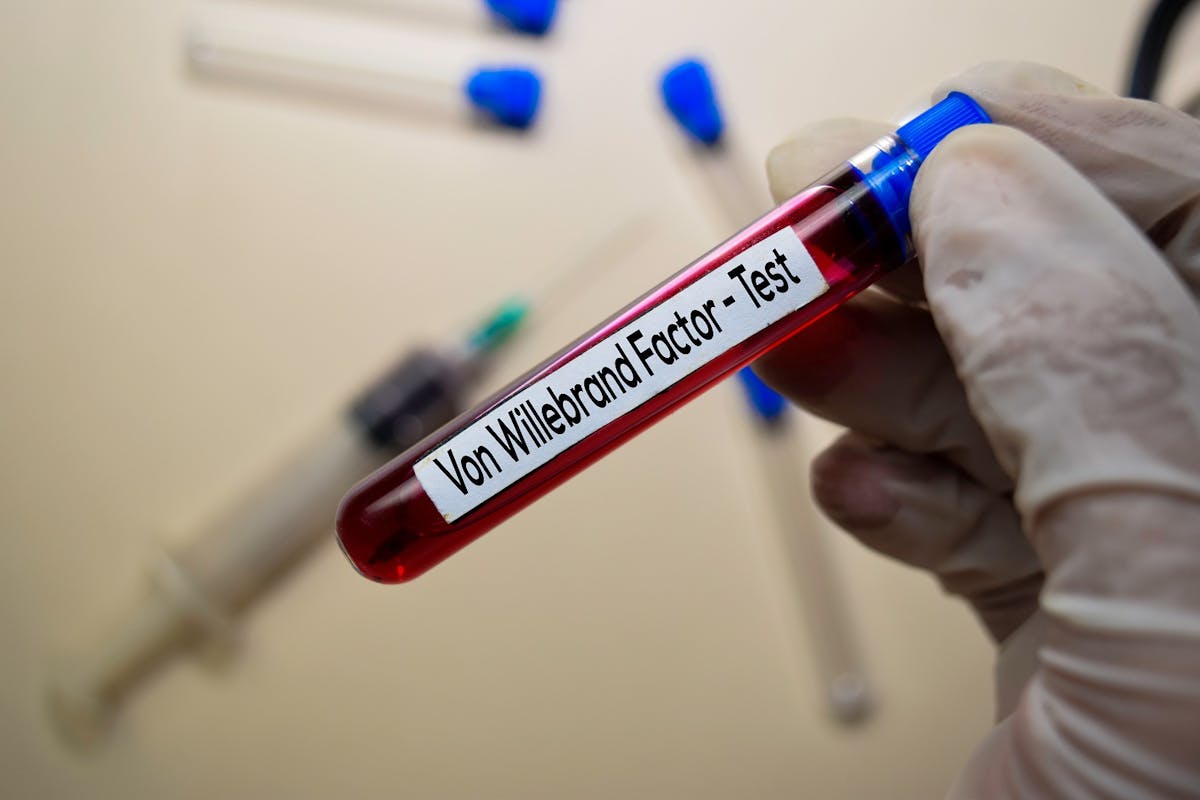
Von Willebrand disease (also referred to as von Willebrand’s disease) is an inherited bleeding disorder commonly seen in both dogs and humans. vWD is characterized by an insufficient production of a protein, called von Willebrand factor (vWF). vWF helps blood cells (called platelets) stick together, forming blood clots over injuries and preventing excessive bleeding. When the body is lacking in vWF, injuries may result in prolonged or uncontrolled bleeding. Even minor injuries may lead to serious bleeding, and spontaneous bleeding can occur, such as frequent nosebleeds or bloody urine.
Signs of vWD: what to look for in your dog
Clinical signs can range from very mild to severe; some dogs will bruise easily. Other dogs will experience problems during dewclaw removal, teething or after surgery. Several breeds are at greater risk of vWD, and both male and female dogs can be affected. Stress may increase signs, and dogs should be closely monitored during potentially stressful events.
Treatment for von Willebrand disease
There is no cure for vWD and treatment usually focuses on bleeding episodes. Dogs with confirmed vWD will likely need blood plasma transfusions during surgical procedures. Some (but not all) dogs also benefit from the administration of a hormone (desmopressin acetate) that temporarily decreases bleeding, but this is not recommended for routine use. Some medications, including aspirin and sulfa-based antibiotics, may increase bleeding, and should be avoided in dogs with vWD.
Dog breeds affected by vWD
Doberman Pinschers are commonly affected, with over 70% of screened dogs in one study testing as carriers. Scottish Terriers, Shetland Sheepdogs, Golden Retrievers, Rottweilers, German Shepherds, German Short-Haired Pointers, Miniature Schnauzer, Standard Poodles and Chesapeake Bay Retrievers are also more likely to be affected than other breeds. Breeds at high risk should be tested before breeding; however, vWD has been observed in over 50 breeds, so it’s important to note that the breeds listed are not the only ones at risk.
Genetic variants of vWD in dogs
There are three genetic variants of vWD: Type I, II and III:
- In Type I vWD, vWF structure is normal, but the concentration of vWF is low.
- In Type II vWD, the vWF structure is abnormal, in addition to the concentration being low.
- In Type III vWD, vWF is typically absent or very low in concentration. Type III vWD can lead to fatal blood loss.
Testing your dog for vWD
A genetic test can screen some dog breeds for vWD, and several laboratories now offer tests. They can determine whether a dog is clear for vWD, or if they are a carrier or affected. vWD is considered an autosomal recessive condition, and in most breeds, dogs must carry two copies of the mutation to be affected. Unfortunately, in some breeds, one copy of the mutation is sufficient to cause abnormal bleeding. Dogs with two mutations tend to have more severe symptoms.
Blood tests can check the concentration of vWF in a blood sample. However, levels of vWF may not be consistent across samples, and can be affected by stress, pregnancy, and even the vein sampled. Thus, multiple tests may be necessary to determine a dog’s status. Dogs are classified as either normal, borderline, or abnormal.
Dog breeding decisions and von Willebrand Disease
Owners of dogs at high-risk for vWD should have them tested before breeding. Affected dogs with two copies of the mutation should not be bred. If your dog is a carrier, consider consulting with a veterinary geneticist. Carriers should only be bred with dogs who are clear for vWD, and only when no alternatives are available. Puppies should be tested for vWD. Carrier-to-carrier breedings should be avoided, as there is a high risk of severely affected puppies. Dogs with excessive hemorrhaging should not be bred, regardless of carrier status.
Resources
VIN: Von Willebrand's Disease in Dogs
VCA Von Willebrand's Disease in Dogs
Cornell University College of Veterinary Medicine: Canine von Willebrand Disease

Join our Good Breeder community
Are you a responsible breeder? We'd love to recognize you. Connect directly with informed buyers, get access to free benefits, and more.