Electrocardiogram for your dog by Holter monitor
Learn how Holter Monitors are used to assess your dog's heart health
by Dr. Nate Ritter, DVM
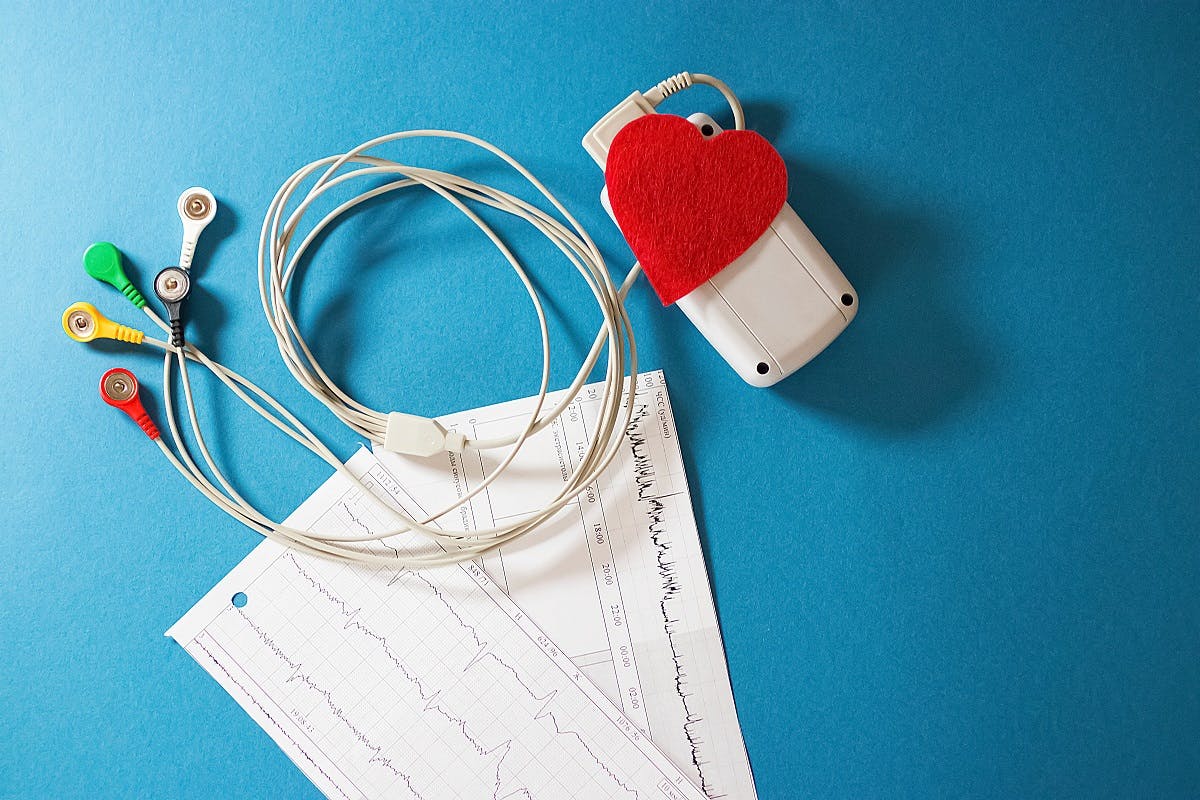
Sometimes we need to monitor the electrical activity of a dog’s heart for a longer period of time than is feasible during a veterinary visit. To do this, we use a diagnostic tool called a Holter monitor. This non-invasive, portable device is made up of a main digital unit with multiple ECG (electrocardiogram) wire attachments. The wires are placed on the dog in multiple locations after the fur has been shaved and the underlying skin has been cleaned. The monitor continually records data over the 24 hours the dog wears it (in a specialized vest or with veterinary specific bandaging tape, most dogs are not bothered by either), and then it is returned to the veterinarian so that they may interpret the results.
The Holter monitor may be recommended for a variety of reasons including: for screening purposes, to investigate arrhythmias, to investigate clinical signs relating to heart disease, to monitor heart rate, to monitor effects of cardiovascular medications, and to monitor effects following implantation of a pacemaker. It is important to keep a journal with your dog’s activity during this time period.
Below is a list of locations where these devices/related accessories can be found. Your veterinarian or veterinary cardiologist can also provide you with information about where to get a Holter monitor and whether rental or purchase is appropriate.
Doberman Pinscher Club rental information
Cavalier Doberman Pinscher Club
Doberman Diversity Project (Only for DDP participants)
References
Petrie, J. P. (2005). Practical application of holter monitoring in dogs and cats.Clinical Techniques in Small Animal Practice,20(3), 173-181.

Join our Good Breeder community
Are you a responsible breeder? We'd love to recognize you. Connect directly with informed buyers, get access to free benefits, and more.