Dog Breeds To Consider If You Have A Big Backyard
While all dogs need fresh air and exercise, these dog types may enjoy wide open spaces the most

By
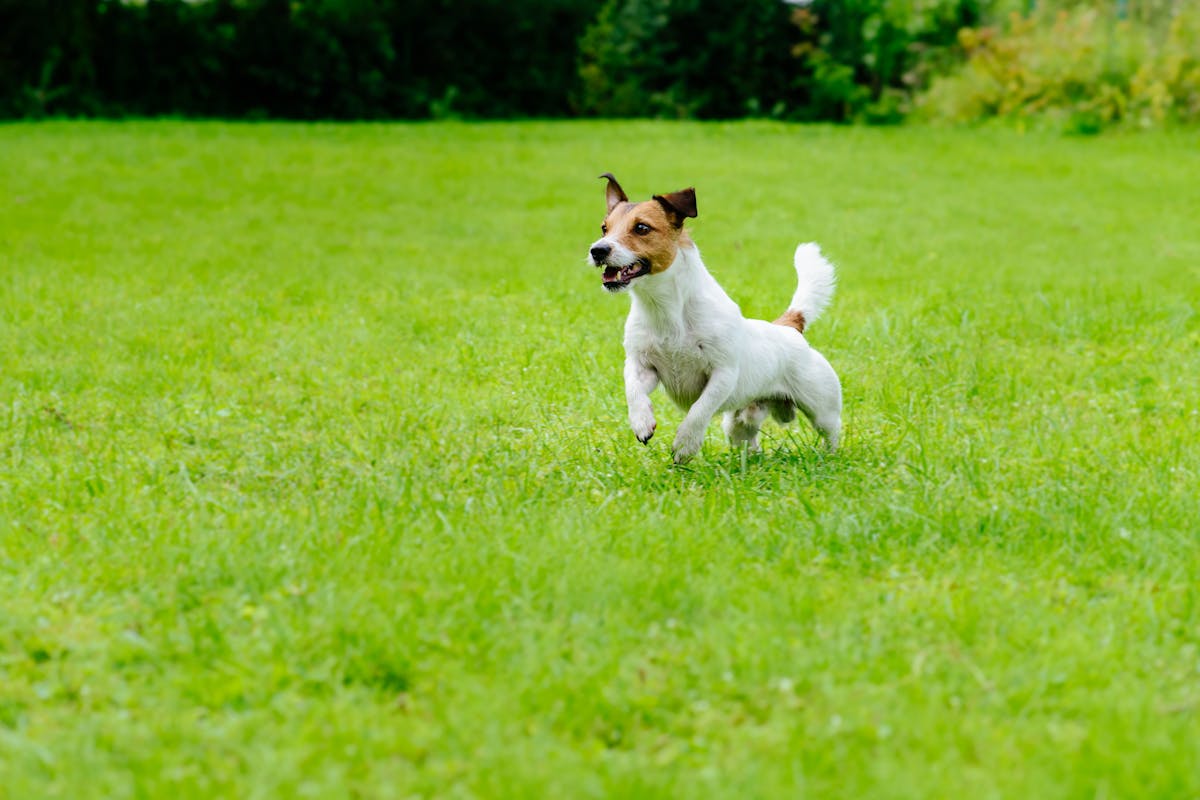
Whether you’ve just started thinking about adding a dog to your household, or you’re actively looking for the perfect companion, you’re likely considering the unique needs of each breed, especially if you’re working with a breeder.
If you have room to spare and are looking for the company of an active pup, consider these dog breeds who adore lots of outdoor space. Plus, learn how to make the most of public dog-friendly green spaces if you don’t have large, open areas of your own.
Do all dog breeds need a large outdoor space?
All dogs, no matter their size, breed, gender, or age need exercise and a daily dose of fresh air, Angela Logsdon-Hoover, LVT, regional technician director at VCA Animal Hospitals, told Good Dog. But how much time they need outside and how big of a space they require varies by breed, age, and individual dog.
Whether a large- or small-breed dog, a pup’s energy level plays a big role in how much outdoor space a dog needs, Logsdon-Hoover explains. “Greyhounds, a larger breed, may be perfectly happy living in an apartment and going for walks,” she said, while other greyhounds may have more energy and do best with a larger home. Then, there are small breeds that will run circles around a small apartment all day, every day, craving wide-open spaces. Again, you’ll want to consider each individual dog’s preferences.
4 dog breeds best for the great outdoors
Have access to outdoor space to spare and a love of energetic pups? Then consider one of these active dog breeds.
Jack Russell Terrier
When considering dogs that benefit from lots of outdoor space, the pint-sized Jack Russell terrier is the first to come to Logsdon-Hoover’s mind. “Even though they’re a smaller breed, they need a lot of room to run and jump,” she said. The springy breed is commonly described as fun-loving and can be incredibly intelligent. With their high energy comes the need for obedience training, exercise, and mental challenges — a large backyard and prior experience with dogs will be a perk. The Jack Russell Terrier Club of America says the breed can be territorial over their space and their humans, so opt for no more than two.
Bouvier des Flandres
“Owning a Bouvier des Flanders is not just all about how pretty your dog is,” according to the American Bouvier des Flandres Club. There’s no denying the Bouvier dog breed is majestic looking — they’re staggering in size (70 – 110 pounds) and have an unmistakable shaggy coat. Originally bred to work on farms, individuals of the breed continue to enjoy open space and a job to do. This gentle giant develops close bonds with their humans, is eager to learn new tricks like agility courses, and is a great playmate for older children.
Old English Sheepdog
Like the Bouvier, the Old English Sheepdog comes from the working line. Working dogs, Logsdon-Hoover said, typically require lots of exercise and outdoor space. As their name might imply, the Old English dog breed has a history of helping British farmhands herd sheep, cattle, and other livestock. They retain their drive to help and want to accompany their human everywhere they go — except on long runs. Still, while intelligent and friendly, Old English pups can become withdrawn and anxious without enough outdoor time or when left alone for too long.
German Shorthaired Pointer
Happiest sniffing around a big backyard, the German shorthaired pointer is friendly, enthusiastic, and eager to please. They were bred to be an all-around dog — retrieving, pointing, and hunting in all weather conditions and terrains, while filling the role of trusty family companion. This makes the German shorthaired pointer the dream pup for adventure-seekers, outdoor enthusiasts, and families alike. Just be sure to provide them with the physical and mental stimulation they need to thrive. German shorthaired pointers are a medium- to large-sized dog breed with floppy ears and solid- or ticked-coat patterns.
How to make the most of your outdoor space for dogs
If you don’t have a huge backyard, Logsdon-Hoover said choosing a breed that needs lots of outdoor space might not be out of the question. With a few tweaks to a small yard and the flexibility to use public spaces, a highly active pup can be a match. Here are some tried-and-true tips from Logsdon-Hoover:
- Create an engaging environment. With the help of a dog behavior expert, craft your own obstacle course, preferably one that can be configured in different ways. Or, install a dig box and bury things for your dog to find
- Dog proof your yard. Make use of every square foot by removing toxic plants and dangerous items. Patch any holes in the fence and don’t forget to provide shade and shelter
- Exercise with your dog. If your pup is up for it, go on bike rides, hikes, and runs together
- Sign up for doggy daycare and play dates. If you have a social dog with endless energy, routine dates with their closest pals should do the trick
- Make use of public spaces. If you lack a yard but are set on a dog that needs lots of outdoor space, public parks, safe dog runs, and green spaces are a must-visit — multiple times a day
