Breeder or shelter? Making the choice that's right for you
Responsible ownership begins with choosing the dog that fits your lifestyle.
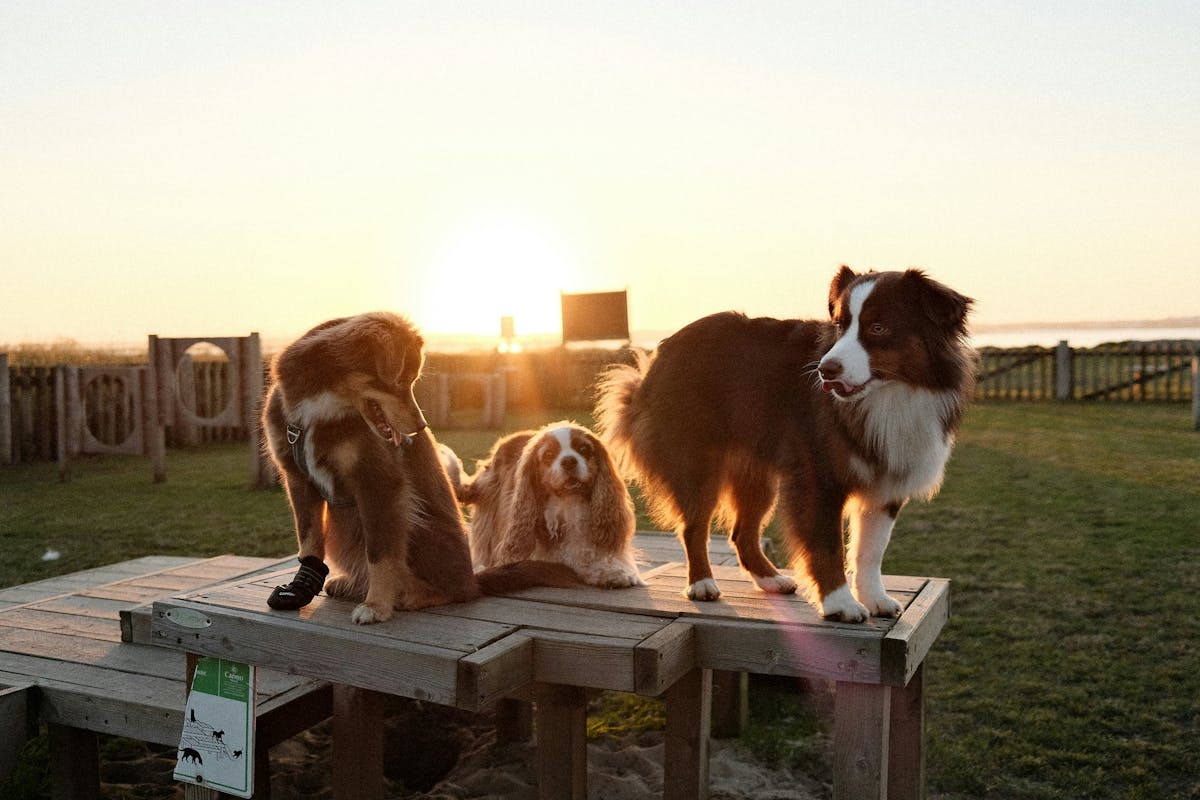
So you've made the exciting decision to welcome a dog into your home. Now comes the important question: Is there a ‘right way’ to find your new companion? It’s a nuanced decision that depends on your lifestyle, goals, and capabilities. Whether you choose to work with a responsible breeder or shelter, each approach has its advantages.
A quick look:
- Responsible breeders specialize in specific breeds and offer more predictability in temperament, size, and health background. They often put careful thought into matching puppies and owners, though working with a breeder can come with higher upfront costs, longer waits, and less flexibility in timing.
- Shelters and rescues provide homes for dogs of various breeds, ages, and personalities from many different backgrounds. While they offer immediate availability and are more budget-friendly upfront, there may be less choice and certainty about a dog's history or genetic background.
While certain sources, like pet stores and Craigslist, should generally be avoided altogether, the choice between responsible breeders and reputable shelters isn't as clear. It’s a polarizing topic shaped by differing views on the moral and ethical implications of where you get your dog. But every person’s circumstances differ, and the truly ethical choice is the one that results in a successful match between dog and owner.
So, which choice is the right fit? Let’s take a closer look at both options and how they might work for you.
Responsible breeders at a glance
Responsible dog breeders pursue their work with passion and intention. Many are experts in their specific breed and have spent years working with mentors to hone their practices and deepen their knowledge. They invest extensive resources into raising their puppies properly through socialization and enrichment, health testing for heritable diseases, training, round-the-clock care, and thoughtful planning for litters.
Some are show breeders or specialize in working dogs, others focus on raising healthy, lifelong companions for pet owners. Many breeders within rare breeds are working to preserve their breeds from extinction. But regardless of how and why they do their work—every responsible breeder is working to improve the health of all dogs, and is building toward a future where every dog has a home.
When is a breeder the right choice?
Common reasons people choose breeders include:
- Looking for a specific breed for personal preference
- Allergies
- Predictability in size, health, temperament, or coat type
- Wanting to raise a puppy from an early age
- Needing a dog for specific work or service tasks
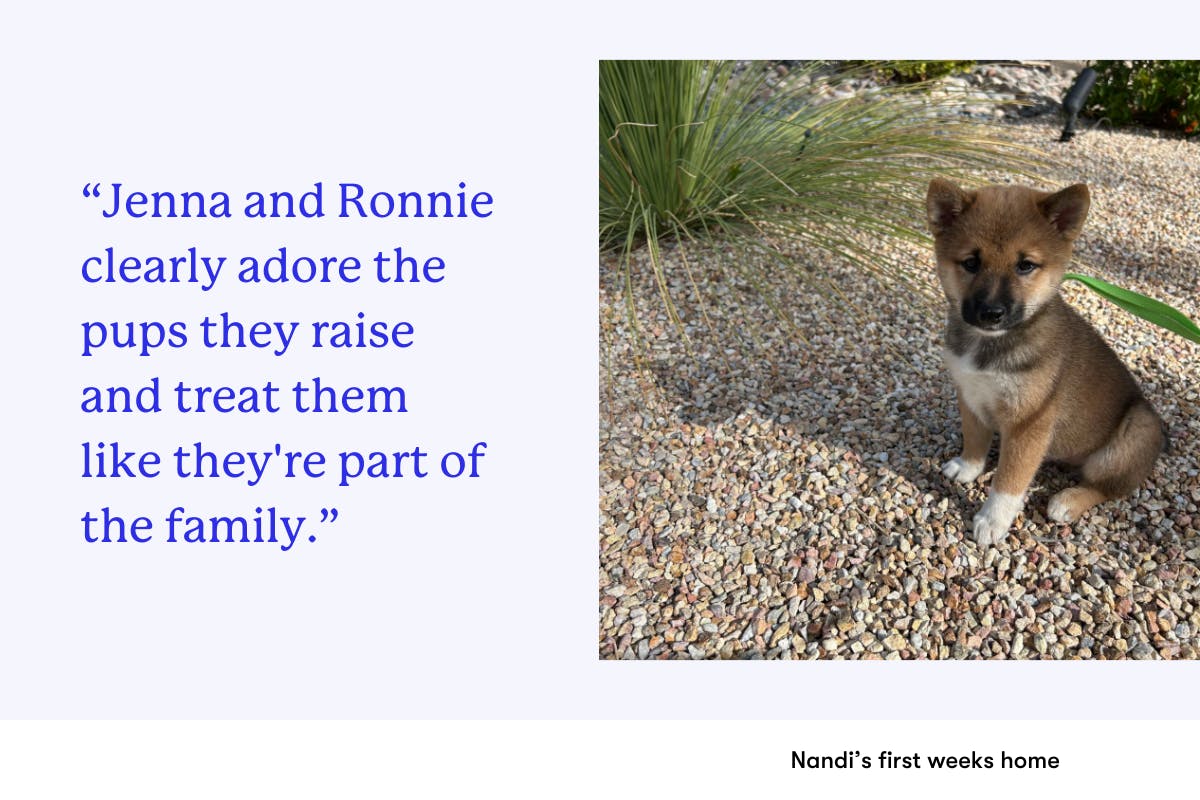
Many people turn to breeders after past experiences with rescue dogs or a desire for something more specific. This was the case for Sameer, a Shiba Inu owner who got their first dog from a rescue before turning to Good Dog Certified breeders Ronnie and Jenna for their next puppy, Nandi. Sameer told Good Dog, “This time around I wanted to experience what it's like to raise a puppy. I was nervous about working with a breeder because there are so many unethical ones out there, but Jenna and Ronnie clearly adore the pups they raise and treat them like they're part of the family.”
Predictability and choice
Responsible breeders work to raise puppies with reliable temperaments and predictable traits. That starts with choosing the right breeding dogs and providing puppies with proper socialization and enrichment from birth. A breeder can also help match your lifestyle to a puppy’s temperament, so there’s a level of personalization in the pairing process that can be reassuring.
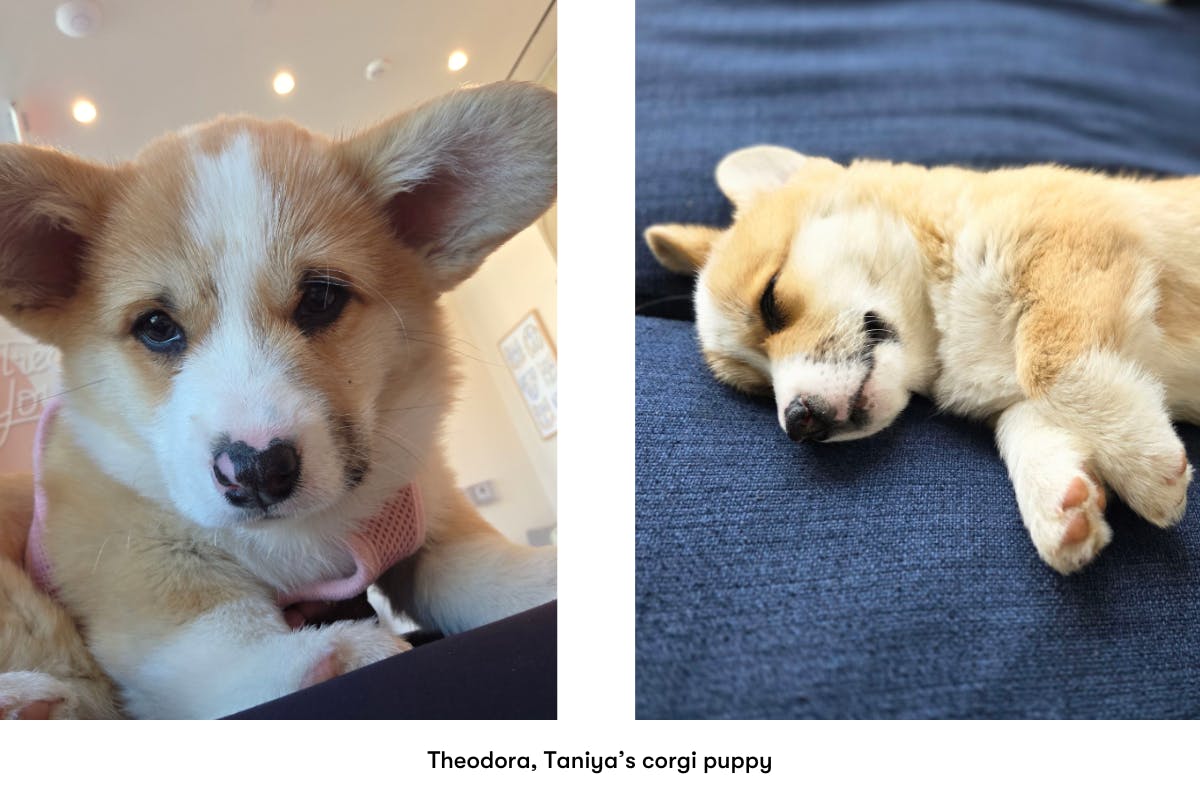
Taniya got her puppy, Theodora, from Good Dog Certified breeders Steven and Freida. Using temperament testing, they matched her with the right Pembroke Welsh Corgi puppy. She told Good Dog, “What really stood out was how much thought they put into matching each puppy with the right family. They use temperament testing to help guide that decision, which shows how seriously they take placing their puppies in the best possible homes.”
For someone who requires a dog for a specialized task, working with a breeder who intentionally produces working dogs becomes essential. These specialized breeders develop dogs with specific traits and training foundations for working roles. Take Dolly, for example—an Australian Cattle Dog who found her home on the Jackson Ski Patrol team as an avalanche dog after being paired with her owner through Good Dog Certified Breeder, Brenda. Working dogs like Dolly succeed because breeders meticulously select for the temperament, drive, and physical attributes needed for specialized work.
Cost
Getting a dog from a responsible breeder involves a larger upfront financial commitment. Prices typically range from $700 to $8,000 depending on breed, location, and the breeder's specific practices. This higher cost reflects the significant investment breeders make, including:
- Health testing parent dogs for heritable conditions
- Maintaining safe, healthy environments for puppies
- Veterinary care (including prenatal care for the dam)
- Proper socialization and enrichment
- The substantial time commitment a litter requires
Availability and location
Location
Many breeders operate in rural areas where they have space to raise puppies. This means you might have to expand your search outside your immediate area, and it could lead to mightier efforts in terms of working together to coordinate pick-up, such as:
- Driving to meet the breeder
- Arranging a meeting at a halfway point
- Using professional pet transportation services for longer distances
Timing
Availability can be a narrow field to navigate because responsible breeders often limit their litters (just 1–3 per year), maintain waitlists, and require puppies to reach 8-10 weeks before going home. If you have your heart set on a specific dog or breeder, you might have to be flexible on timing or broaden your search.
Responsible breeders occasionally have adult dogs looking for homes as well. These might include retired breeding dogs, show dogs transitioning to pet homes, or young adults that were initially kept for evaluation but didn't fit the breeder's program. These placements are managed with the same care as puppy placements, and can open up your options, especially if you’re looking for an older dog.
Addressing misconceptions
As you move through the process, you might find yourself asking if your choice is ethical. Working with a responsible breeder does not directly contribute to pet homelessness. Responsible breeders make thoughtful matches between puppies and owners, with the aim of creating lifelong partnerships. In the event an owner can’t keep a puppy, breeders have policies that ensure their puppies never end up in the shelter system.
Behavioral issues, health problems, and size mismatches are significant reasons dogs enter shelters. Responsible breeders actively work to reduce these risks through careful breeding decisions and appropriate owner matching. Their goal is a future where every dog has a suitable, loving home with baseline improvements in canine health and behavior.
If you decide a breeder is the right fit for you, it’s essential that you do your due diligence. This includes asking detailed questions about breeding practices, parent dogs, and understanding health guarantees and support policies. Navigating this process can be overwhelming, especially with the prevalence of bad actors who know how to appear legitimate. Good Dog makes this easier by connecting prospective dog owners with breeders screened to meet veterinary-backed standards and by providing transparency into their practices–like health testing, breeding experience, and enrichment.
Shelters and rescues at a glance
While responsible breeders are focused on breeding healthy dogs with predictable traits, shelters and rescues have dogs of all different sizes and temperaments and will often work with you to ensure you’re matched with a good fit. These organizations take in dogs from various backgrounds like strays, hoarding cases, and owner surrenders. Some are government-run facilities, some are private non-profits, and others are breed-specific rescue groups, each with their own practices and policies. Just as with breeders, it's essential to research and identify organizations operating with responsible, ethical standards.
When is a shelter or rescue the right choice?
Common reasons people choose a shelter or rescue are:
- Adult dogs have more established personalities and sizes—whether you’re looking for a puppy, a purebred, or a senior, you can find all types of dogs in shelters and rescues
- Shelter dogs are often already vetted before adoption—most are spayed or neutered, vaccinated, and microchipped before going home
- It's budget-friendly upfront—adoption fees are typically much lower than the cost of buying from breeders and often include basic vet care
- You're providing a home to a dog in need, as well as freeing up resources for other shelter animals
- It's a local option that support your community
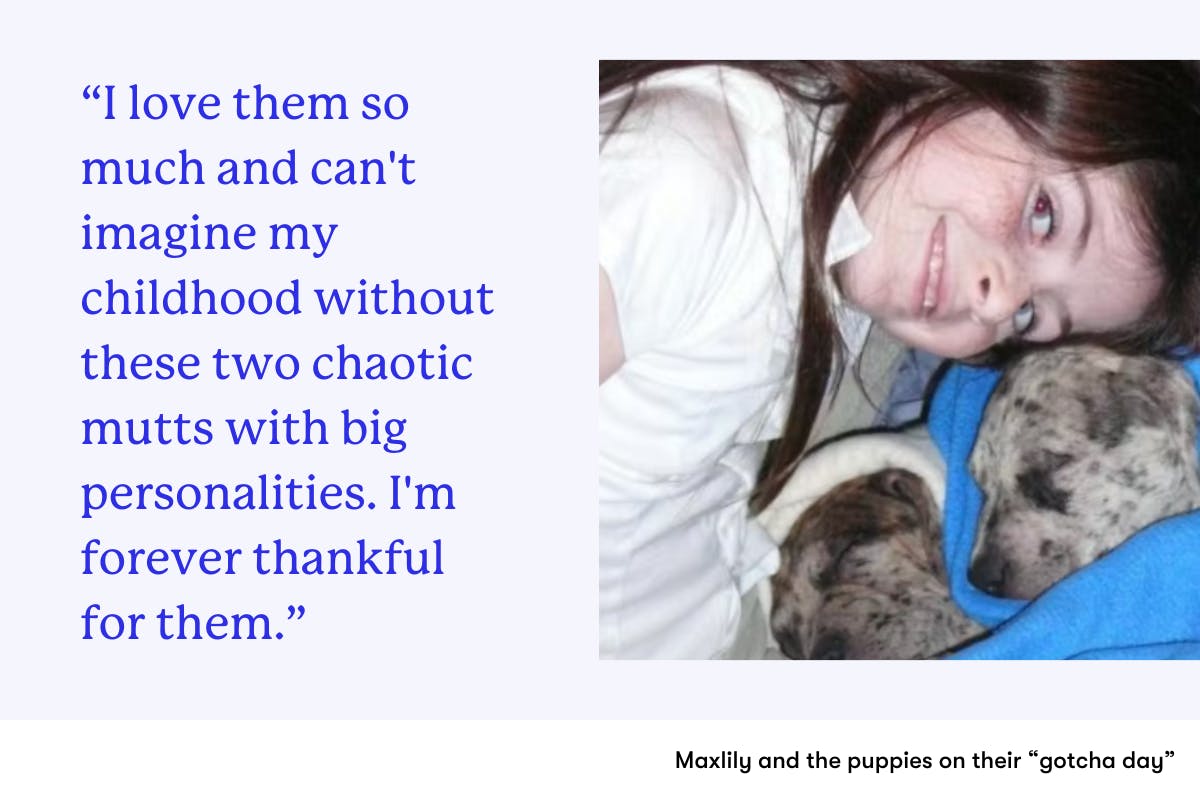
For the Hartenstein family, getting a rescue dog was their preference. The couple was living in the Bay Area with two young children when they decided it was the right time to get a family dog. They visited a rescue and met a Mastiff mix who quickly proved to be too big and too strong for their young children. The family ended up with two mixed breed puppies who had been abandoned, eventually named Quincy and Sierra. The dogs became a centerpiece of the family’s life, with their daughter Maxlily Hartenstein recalling, “I love them so much and can't imagine my childhood without these two chaotic mutts with big personalities. I'm forever thankful for them.”
Predictability and behavior
Shelter dogs can come with varying levels of predictability regarding behavior and health. Some considerations include:
- Adult dogs have established personalities, which can be both an advantage and a potential challenge
- Some shelter dogs may need additional training, socialization, behavioral, or medical support, which can be costly and time-consuming
- Backgrounds may be unknown, particularly for strays or dogs from neglect situations
- Unpredictable adult sizes or unknown genetic health predispositions
For a stronger sense of predictability and fit, look for shelters and rescues that:
- Use foster homes to evaluate dogs in a family environment
- Provide comprehensive behavioral testing and guidance around matching
- Offer post-adoption support and resources
- Have transparent policies about disclosing known issues
Cost
One significant advantage of shelter adoption is that it’s typically much more budget-friendly upfront. Adoption fees range from $50 to $200, substantially less than purchasing from a breeder. This fee usually includes initial vaccinations, microchipping, and a basic health screening. You may have to cover the cost of spaying or neutering your dog, depending on the organization.
While adoption might be more affordable upfront, it’s possible that behavioral or medical issues could incur higher costs over time depending on the dog.
Availability and location
Shelters and rescues have dogs who are ready to go home immediately or within a few days of processing your application. The process varies between organizations, but typically you’ll have to fill out a form and share basic information. You’ll then likely go through a counseling session where you’ll talk with a shelter representative to share more about your lifestyle. Some shelters and rescues have more comprehensive screening processes that involve home visits and reference checks.
Nearly every community has shelter resources within reasonable driving distance, so if you’re looking to find a dog locally and support your community, you’ll be able to connect with an organization close to home. While you may not find a specific breed on demand, shelters offer diversity in age, size, and personality types.
If you're picturing life with one breed, there are breed-specific rescues for most breeds, though their availability varies and wait times could be longer.
Addressing misconceptions
Pet homelessness is a complex issue that extends far beyond unethical breeding. While the assumption is dogs typically end up in shelters due to behavioral issues, the reality is that human factors play an even larger part in relinquishment. Systemic inequalities, housing restrictions, or changes in circumstances are primary drivers. Other factors include breed-specific legislation, insurance limitations, financial constraints, and allergies. Although behavioral issues do contribute to surrenders, according to research from Best Friends Animal Society, human-related challenges outweigh dog-related issues 3:1 when it comes to pet homelessness.
Choosing to get a dog from a shelter or rescue frees up resources for another animal in need. If you're capable of caring for a shelter dog, it’s a great way to support your community, and it provides a home to an animal who needs one. But there’s no morally superior way to get a dog—it’s about making an informed, responsible decision that leads to a good match.
In conclusion
Whichever route you decide is best, resources like Good Dog can simplify your search by connecting you directly with sources that have been screened for ethical practices, though it's always important to do your own research and ask the right questions, no matter where you find your dog.
Ultimately, the best choice is the one you take the time to determine is right for you. By considering what fits your lifestyle, such as size, home, budget, temperament, timing, and activity level, you’ll be well prepared to choose the dog that best matches you, whether they’re from a breeder or a shelter.
Ready to find your new best friend?
Download the Good Dog app and jump into your search today.