LakeHaus Kennels

- Kenai, AK
- Responds within a few days
Upcoming litters


Expected German Shorthaired Pointer litter
Due Sept. 2026


Planned German Shorthaired Pointer litter
Due Mar. 2027
Meet the breeder
I'm Ashley Y., the breeder behind LakeHaus Kennels located in Kenai, AK. We strive to produce high-quality show, hunt and sports prospects and wonderful companions. We enjoy training our dogs to compete in conformation shows, NAVHDA and AKC hunt tests and dog sports. Our goal is versatility; breeding for structure, temperament, trainability, and working drive.

Q. & A. with Ashley
Why did you start breeding?
I got into breeding because my first 2 GSP died very young due to health issues and I really wanted to find ways to ensure this didn't happen again in the future. So, I started researching bloodlines, health testing and the other qualities it takes to have healthy and stable dogs and started my kennel.What makes your program special?
My focus is on producing quality dogs. Whether they will be shown in conformation, hunted or participating in field trials, or just a great family dog. I feel a steady "off switch" is extremely important, as well as a stable temperament and correct structure.What are the different breed coat colors in your program?
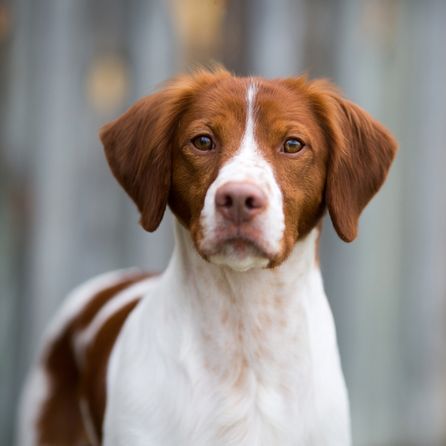
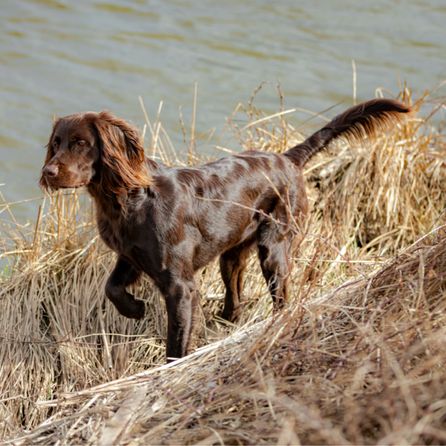
Our puppies include liver roan, liver and white, and liver. Colors will vary depending on the parent dogs.Where do your breeding dogs live?
They live in my home.

Matched dogs
These dogs are already reserved or have gone home.
Tonya
Went homeFemale
Black Boy
Went homeMale
White girl
Went homeFemale
Teal girl
Went homeFemale
Gilbert
Went homeMale
Sandy
Went homeFemale
Hugo
Went homeMale
Harvey
Went homeMale
Ike
Went homeMale
Floyd
Went homeMale
Katrina
Went homeFemale
Hazel
Went homeFemale
Donna
Went homeFemale
Rita
Went homeFemale
Andrew
Went homeMale
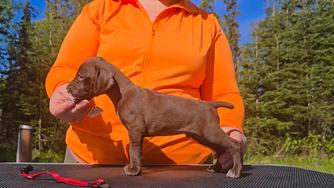
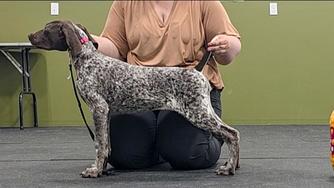
Tonya
Ready now5 months old · Female
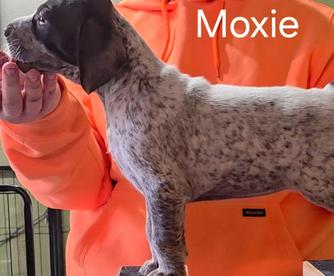
Moxie - Pink girl
Went homeFemale
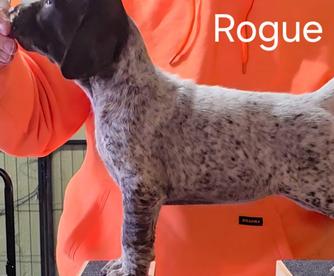
Rogue - Purple girl
Went homeFemale
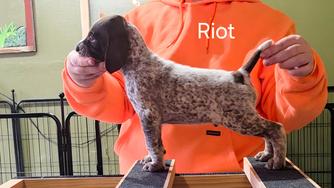
Riot - Blue male
Went homeMale
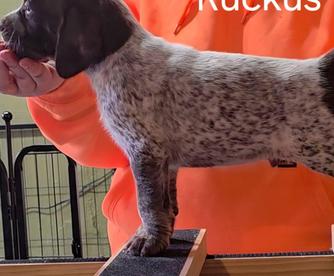
Ruckus - Black Male
Went homeMale
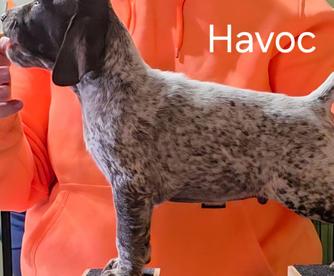
Havoc - Red Male
Went homeMale
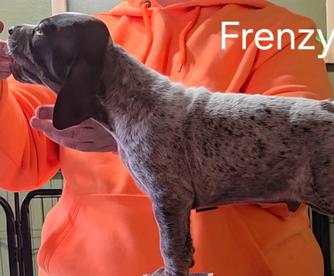
Frenzy - green male
Went homeMale
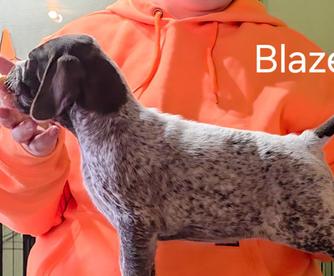
Blaze - Yellow Girl
Went homeFemale
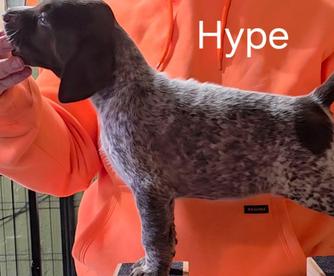
Hype - Lime girl
Went homeFemale
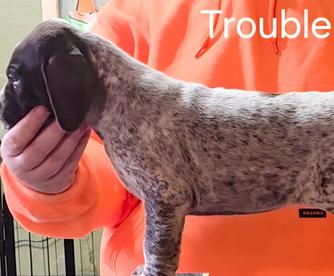
Trouble - Lavender girl
Went homeFemale


Getting a puppy from Ashley
Ashley has been certified by Good Dog’s screening team for responsible and trusted breeding practices. When you’re ready, reach out to ask about the puppies or anything else on your mind. You’ll get to know each other through messaging, phone, or video and pay securely, all on Good Dog.
Ashley partners with buyers to find the best match as the puppies develop and their personalities take shape. Typically, matches are finalized when the puppies reach about 8 weeks old.
“All of our puppies are matched according to the findings from their Temperament, Structural and Drive Assessments done during week 7. These Assessments, along with our Placement Questionnaire helps us match the right puppy to the right home. For more info on our Placement Protocols, check out our website. https://www.alaskagsp.com/our-puppies/how-we-place-our-puppies”

Price
“Price includes AKC paperwork, 1st (or second depending on go home age), dewormed, and micro chipped. Puppies are raised on Puppy Culture. Deposits are refundable at the discretion of breeder depending on reason for backing out of Puppy.”
Contract & health guarantee
Ashley may provide a written contract or health guarantee when you purchase a puppy. This helps protect both you and your breeder, ensuring that you both have a clear understanding of the terms of your puppy purchase. If Ashley offers a contract or guarantee, the details will be personalized by them. If you have any questions or want to know more, don't hesitate to reach out to Ashley directly.
You’re protected
on Good Dog
When you pay and communicate on Good Dog, you’re covered by Payment Protection.
What's included
From Good Dog
- Lifetime support from Good Dog’s Care Team
- 10% lifetime discount on Figo pet insurance
- Puppy Training Program & private community
Enrichment & socialization
- Various sounds
- Car rides
- Surface & tactile stimulation
- Socialized with children
- Socialized in new places
- Scent introduction
- Daily handling
- Socialized with other dogs
- Introduced to people of different ages and appearances
- Socialized with other animals
Puppy health practices
- Vet check
- First round of shots and deworming
- Microchip
- Vet records
Extras
- AKC registration
- Basic obedience & manners
- Blanket with mom & littermates’ scent
- Food & treats
- Toys
- Initial potty training
- Puppy starter kit
- Registration
Location & pick-up
You can drive or fly to pick up your puppy from Ashley.
Breeder's location
Meet in Kenai, AK
Other pick-up locations
Meet at Kenai Airport
Meet in Anchorage, AK
More about Ashley
Club memberships
Ashley is a member of German Shorthaired Pointer Club of Alaska, Alaska-Yukon NAVHDA, 60 North NAVHDA, The Well Mannered Canine, Alaska Sporting Dog Association, and German Shorthaired Pointer Club of America.
Certifications & recognitions
AKC Canine Good Citizen Evaluator, CHIC Certified, Private Dog Trainer, Canine Good Citizen Evaluator, Professional Groomer, Puppy Culture Breeder, AKC Breeder with H.E.A.R.T., AKC Breeder of Merit.
Ashley has been a member of Good Dog for over 4 years
Ashley was screened for responsible practices and has been a member since 2022.


Ashley is a trusted Good Dog breeder
LakeHaus Kennels meets or exceeds our community standards in these areas:
- Responsible breeding practices
- Health of breeding dogs and puppies
- Puppy environment and enrichment
- Buyer education and policies
Litter and program updates

Ashley Y.
Litter update on 29 July •Our Derek x Stella litter is confirmed! Puppies expect early-mid September


Derek and Stella's litter
Ashley Y.
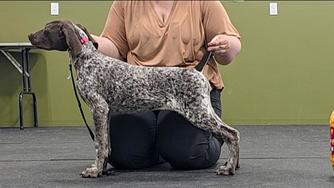
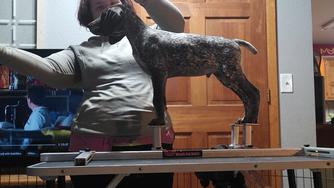
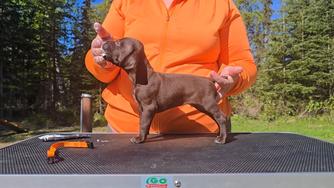
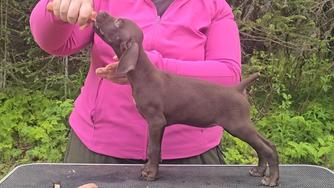
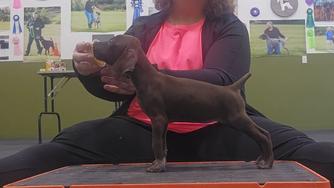
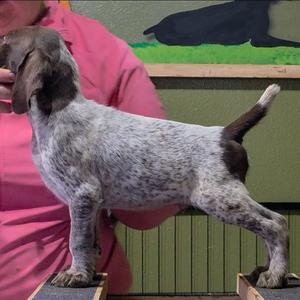
Litter update on 14 May •6 1/2 week stacks!
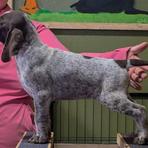
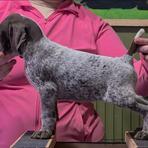
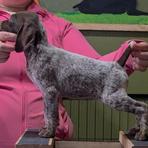
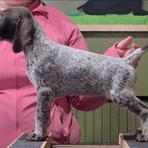
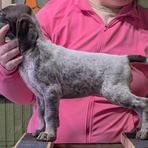

Derek and Lorelei's litter
Ashley Y.
Litter update on 04 May •5 week stacks
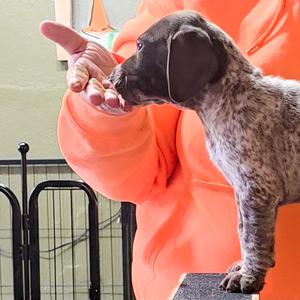
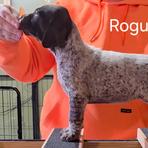
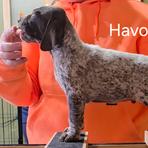
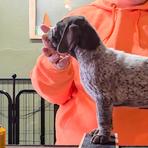
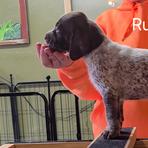
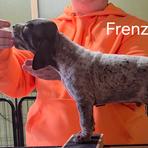
Derek and Lorelei's litter
Ashley Y.
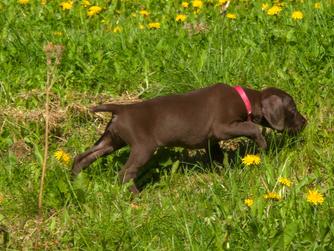
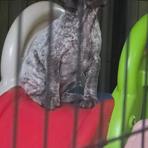
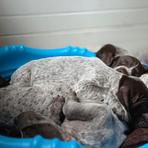
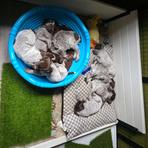
Litter update on 04 May •We're getting big
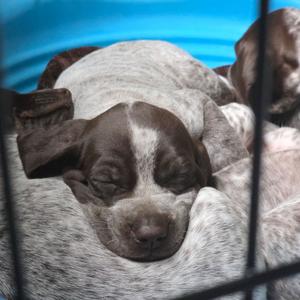
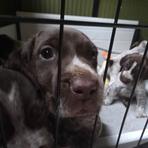
Derek and Lorelei's litter
Ashley Y.
Litter update on 26 Apr •4 weeks old 🥹
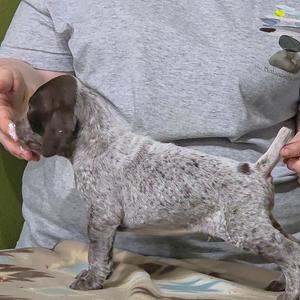
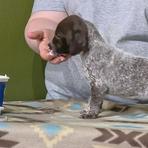
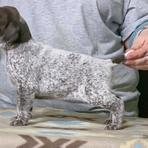
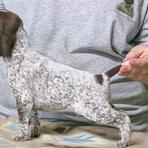
Derek and Lorelei's litter
Ashley Y.
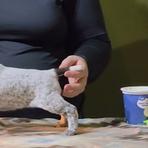
Litter update on 24 Apr •We're getting bigger 🥹
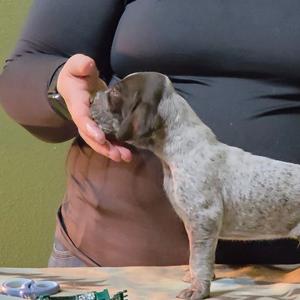
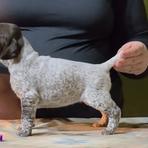
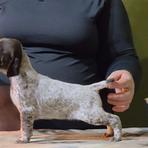
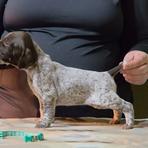
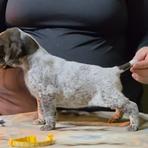
Derek and Lorelei's litter
Ashley Y.
Litter update on 11 Apr •Easter Photos






Derek and Lorelei's litter
Ashley Y.
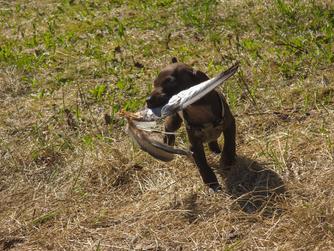
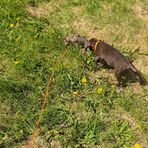
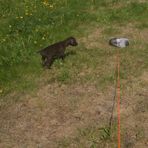
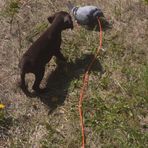
Litter update on 19 June 2025 •Bird intro!


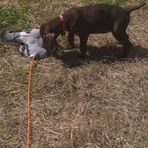


Franklin and Sloane's litter
Ashley Y.
Litter update on 19 June 2025 •7 weeks 🥹
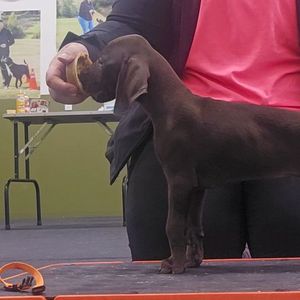

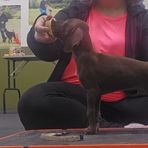
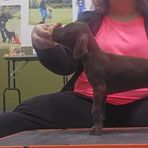

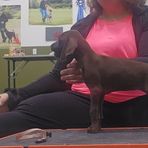
Franklin and Sloane's litter
Ashley Y.
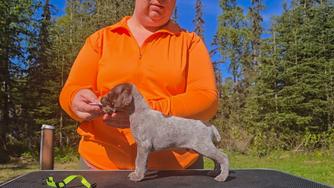
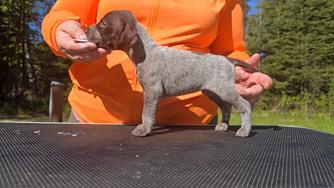
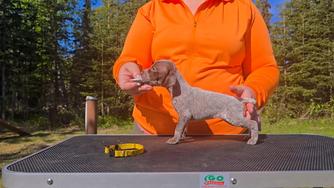
Litter update on 03 June 2025 •5 week stacks
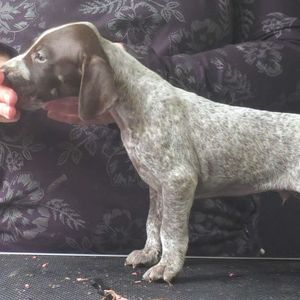
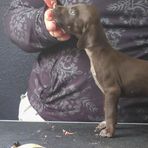
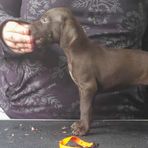
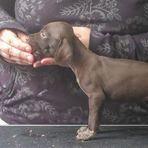
Franklin and Sloane's litter
Parent dogs
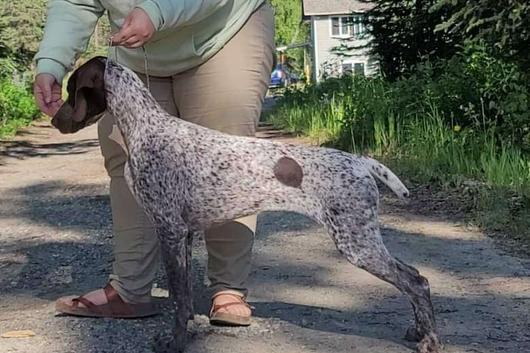
Derek, dad
German Shorthaired Pointer
About Derek
Derek, from our 2023 Riker x Briar litter, is an outgoing, enthusiastic, and friendly boy with a wonderful temperament that makes him a joy to both live and work with. He has a natural charisma in and out of the ring and has also been competing as a Junior’s dog in 2025 with local youth handler Emma—the two make a fantastic team. Derek hit the show ring in June 2024 and quickly made his presence known, earning 11 points—all majors—toward his AKC Championship in just two weekends. At only 7 months and 1 day old, he was awarded a Novice Owner Handler Best in Show. He completed his AKC Champion title in May 2025 and, with just a single weekend out as a Special, is already well on his way toward his Grand Championship. He is currently just a few points from his NOHS Bronze as well. In the field, Derek ran his NAVHDA Natural Ability test in August 2024, earning a 105 Prize I. An injury sidelined him from training during the late 2024/early 2025 season, pausing his hunt test and performance progress. Now fully recovered, he has had a busy fall 2025, earning his Rally Novice, AKC Community Canine, Canine Good Citizen Urban, Trick Dog Novice, and Virtual Home Manners titles in a short 4 week period. Our next goals are Beginner Novice, and Novice Obedience titles, with goals set for completion by April 2026. Looking further ahead, his summer and fall 2026 plans include the NAVHDA Gun Dog Test and his AKC Junior Hunter title.
Excellent health testing
Cardiac Evaluation (registered with OFA), Elbow Dysplasia Finals (OFA, BVA, SV, FCI), +3 more.Lorelei, mom
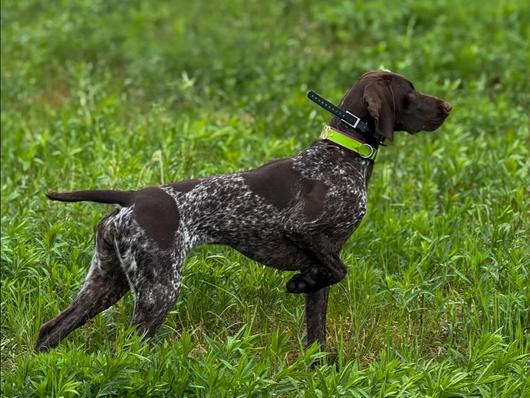
German Shorthaired Pointer
About Lorelei
Lorelei is our keeper from the repeat Harper x Franklin breeding, and she is a complete spitfire—tackling everything she does with boundless enthusiasm. She made an unforgettable debut in the show ring, going Winners Bitch, Best of Winners, Best of Breed, Best Puppy, and Puppy Group 2 at her very first show. During her second weekend out, she earned two Reserve Winners Bitch placements and two Winners Bitch/Best of Winners wins. Lorelei went on to finish her AKC Championship in June 2023 with multiple Best of Breed wins and is now well on her way toward her Grand Championship. Lorelei earned her Canine Good Citizen, AKC Community Canine, Trick Dog Novice and Virtual Home Manners title in a 4 week period in the fall of 2025. Looking ahead, her winter 2025/2026 goals include Beginner Novice and Novice Obedience titles, as well as working towards her Rally Advanced title. Lorelei whelped her first litter in January 2025, producing a strong, promising group of puppies who are already excelling in both the show ring and hunt testing. We have plans for her second litter in 2026.
Excellent health testing
Cardiac Evaluation (registered with OFA), Elbow Dysplasia Finals (OFA, BVA, SV, FCI), +3 more.Maris, mom
German Shorthaired Pointer
About Maris
Maris, from our 2023 Riker x Briar litter, is an exceptionally smart, eager-to-work, and quick-learning girl. She spends much of her time as the “demo dog” in our group training classes, a role she takes on with enthusiasm and confidence. She entered the show ring in June 2024 and made an immediate impression, earning 10 points and both of her majors within her first month. At just 18 months of age, Maris finished her AKC Championship title and, with only one weekend out as a Special, is already halfway to her Grand Championship. Her field and performance work is equally impressive. At 7 months old, she earned a Prize I with a score of 107 at the Alaska-Yukon NAVHDA Natural Ability test. At 19 months, she became only the second Alaskan dog to earn a NAVHDA Gun Dog Test prize, achieving a Prize II. In August 2025, she completed her AKC Junior Hunter title with four straight qualifying runs. Maris has had a busy fall 2025, earning her Rally Novice, Canine Good Citizen Urban, Trick Dog Novice, Trick Dog Intermediate, and Virtual Home Manners titles. Maris earned her Rally Advanced title in early 2026 and is currently working towards her Companion Dog (Obedience) titles for summer 2026 and prepping for her NAVHDA Utility Test. Maris is OFA Hips: Excellent, Elbows: Normal, Heart:Normal, Eyes: Normal and CD: Clear
Great health testing
Cardiac Evaluation (registered with OFA), Elbow Dysplasia Finals (OFA, BVA, SV, FCI), +1 more.Stella, mom
German Shorthaired Pointer
About Stella
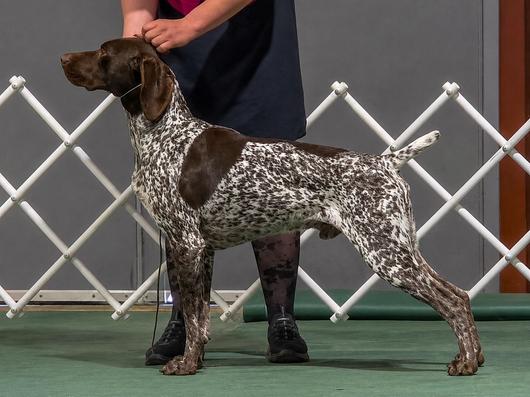
Stella is from our first Harper × Franklin litter and has been a standout since the beginning. Returning to LakeHaus in early 2023 (through no fault of her own), she immediately made her presence known. After just two show weekends, Stella earned 11 points, including a Sporting Group 3 placement, and finished ranked as the number 16 GSP in the All-Breed Rankings for March 2023. By June, she had completed her AKC Championship. In 2024, Stella stepped back into the ring for a single show cluster and earned 14 points toward her Grand Champion title, reaffirming her structural correctness, balance, and effortless ring presence. Stella is intelligent, feminine, and correct — a dog with exceptional type and a stable, confident temperament. She carries forward the qualities we value most from her pedigree - biddability, elegance, and an intuitive understanding of her handler.
Excellent health testing
Hyperuricosuria (HUU), Factor VII Deficiency, +9 more.

Parent health testing
Excellent level
LakeHaus Kennels reports to performing the health tests below on their breeding dogs. Ask your breeder about the tests performed on the parents of your litter. Learn more about health testing for German Shorthaired Pointers.
Hip Dysplasia
Hip testing reduces the chance of passing down hip dysplasia, which is primarily found in large breed dogs and can cause hip pain and the eventual loss of the function of the hip joint.
Elbow Dysplasia Finals (OFA, BVA, SV, FCI)
Elbow testing reduces the chance of passing down elbow dysplasia, which is primarily found in large breed dogs and can cause arthritis in the elbow joint and front leg lameness.
Eye Certification (CAER, registered with OFA)
Eye testing reduces the chance of passing down a wide range of hereditary eye illnesses including retinal dysplasia, lens luxation, and glaucoma, which can cause impared vision or blindness.
Cardiac Evaluation (registered with OFA)
Heart testing reduces the chance of passing down congenital heart disease, which can cause a range of symptoms ranging from trouble exercising to heart failure.
Cone Degeneration, German Shorthaired Pointer Type
Genetic testing reduces the chance of passing down a wide variety of hereditary diseases of differing prevalence and severity such as Progressive Retinal Atrophy (an eye disease) and Von Willebrand's Disease (a blood disease).