They may look alike, but the “little white dog” breeds couldn’t be more different
They may share similarities in appearance, but the origins of these “little white dog” breeds are anything but the same.
Often dismissed as a collection of pampered lapdogs meant for perching in designer purses, the so-called “little white dogs” are easy to lump together. Many do look alike, and some even share distant ancestors, but each breed has a distinct history shaped by the cultures and purposes of the people around them.
History tells of them swimming from shipwrecks in the Indian Ocean, tucked into the sleeves of nobles in ancient Rome, and escaping extinction thanks to the circus.
One thing all of these breeds have in common is that humans, regardless of geography, language, or time period, will always look for companionship, and that need is best fulfilled by dogs.
So, what are the "little white dog" breeds, where did they come from, and what makes each one unique?
The Coton de Tulear: The royal and wild dog of Madagascar.

Legend has it that the ancestors of the Coton swam to the shores of Madagascar after being shipwrecked in the Indian Ocean. According to folklore, these little white dogs ran wild around the island, outsmarting crocodiles at river crossings. The Coton earned its name from the seaport of Tulear, where its soft, cotton-like coat and lively personality made it a favorite of the Malagasy people and, eventually, the island’s nobility, who were once the only class allowed to own them.
Madagascan elites were reluctant to let Cotons leave the island, and the breed remained Madagascar’s best-kept secret until the 1960s, when French tourists discovered and fell in love with the little white dogs.
- Lifespan: 15-19 years
- Grooming: Gentle brushing 3-4 times a week.
- Size: About 8-15 pounds
The Bolognese: Renaissance Italy's secret treasure.
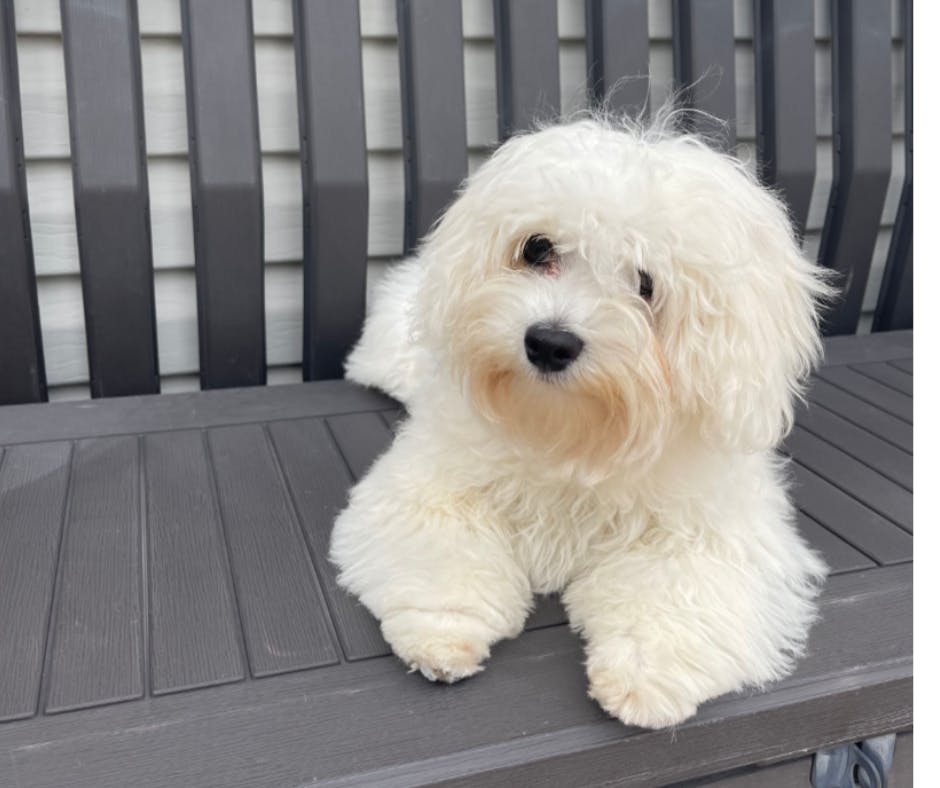
Calmer and a bit less spritely than the other "little white dog" breeds, the Bolognese is a small, stocky dog with a faithful heart. With centuries of service as companion dogs, the Bolognese is incredibly devoted, and doesn't do well with long periods of time alone. Developed in the Italian city of Bologna, their job for millennia has been to bring charm and joy into the homes they live in, and they’re as dedicated to their purpose as a Border Collie is to herding sheep.
Affectionately called the "Bolo," this breed was incredibly popular among Italian nobility, who often gifted the little white dogs to one another. A castle wasn't complete without a Bolo pattering through the echoey halls. As the aristocracy's power and significance waned, so did the Bolognese, and they faced near extinction, if it weren't for a small group of dedicated breeders. The Bolo is still relatively rare to come by today.
- Lifespan: About 12-14 years
- Grooming: Sheds minimally but needs regular grooming if they keep their full coat, though a shorter coat is easier to maintain.
- Size: About 6-10 pounds
The Poodle: The second smartest dog breed in the world.

As the second smartest breed in the world, there aren't many tasks the elegant Poodle can't master. Despite being the national dog of France, the Poodle was originally bred in Germany as a water retriever. They were impressive working dogs, and their dense coat of curls kept them warm while they worked in icy waters.
While standard and miniature Poodles retained their working dog heritage, the Toy Poodle was refined in France as a companion dog, and became especially popular in big cities, where its intelligence and adaptability made it an ideal apartment pet. They typically weigh 4-6 pounds and are athletic little dogs with a strong need for mental and physical stimulation.
- Lifespan: 12-15 years
- Grooming: Regular professional grooming every 4-6 weeks, their curly coats don't shed much but grow continuously.
- Size: About 4-6 pounds
The Havanese: Cuba's only native dog breed.

Image: Tooties Cuties Havanese
Every Havanese in America is descended from just 11 dogs who came over from Cuba in 1959 during the Cuban Revolution. They share personality traits with the Bolognese and similarly don't like being left alone for long periods.
Originally bred as companions for wealthy families in Havana, the Havanese is thought to be descended from small Bichon-type dogs brought from Tenerife in the Canary Islands, though centuries of breeding in Cuba created a breed all its own.
- Lifespan: About 14-16 years
- Grooming: Minimal shedding, coat requires regular grooming, some owners cord the coat.
- Size: About 7-13 pounds
The Bichon Frise: The circus dog who escaped extinction.

The Bichon was adored by royal courts during the Renaissance in Europe, but their association with aristocracy nearly led to their extinction. Many Bichons ended up living in the streets when the nobility fell out of favor. They were eventually picked up by street performers, who found that their spunk and trainability made them natural circus dogs. Performing in circuses across Europe helped the Bichon Frise survive the 20th century.
They come from the Tenerife family, so they're closely related to the Bolognese and Havanese, making them similar in appearance and demeanor despite their stark differences in origins that led to the creation of their distinct breed.
- Lifespan: 12-15 years
- Grooming: Minimal shedding, requires significant grooming.
- Size: About 12-18 pounds
The Maltese: The beloved lapdog of ancient Rome.

The Maltese has been perfecting the art of companionship for over 2,000 years. Developed on the island of Malta in the Mediterranean, these dignified little dogs became the chosen companions of Roman nobility. Known as "Roman ladies' dogs," the Maltese became both a status symbol and beloved lapdog, and they could often be found tucked into the sleeves of fashionable noblewomen.
Phoenician traders sailing from Malta spread word of these charming dogs throughout the ancient world, and soon enough, the breed became prized possessions traded and gifted among the elite of Greece, Rome, and Egypt.
- Lifespan: 12-15 years
- Grooming: Daily brushing for long coat, or shorter puppy cut.
- Size: About 4-7 pounds
The Lhasa Apso: The guardian of Tibet's monasteries.

Image: Hearth and Hound Family Farms
Lhasa Apsos were bred as companions and watchdogs for Tibetan monks and nobility. They were thought to be the incarnation of the Snow Lion, a national symbol of Tibet. They have thousands of years of history serving as watchdogs for Tibetan monasteries, working alongside the fierce Tibetan Mastiff and the keen Tibetan Spaniel, tag teaming potential threats. The Lhasa acted as the "alarm" for the Mastiffs, alerting the larger dogs to any unusual activity or intruders.
With their history as watchdogs, Lhasas can be wary of strangers and possess an independent streak that sets them apart from the purely companion-focused breeds. They're intelligent, sometimes stubborn, and take their guardian duties seriously. Despite their small size, they carry themselves with a somewhat regal essence, a remnant of their sacred monastery origins.
- Lifespan: 12-15 years
- Grooming: Significant grooming required; shorter trims optional.
- Size: About 12-18 pounds
The Shih Tzu: China's royal companion that evaded extinction.
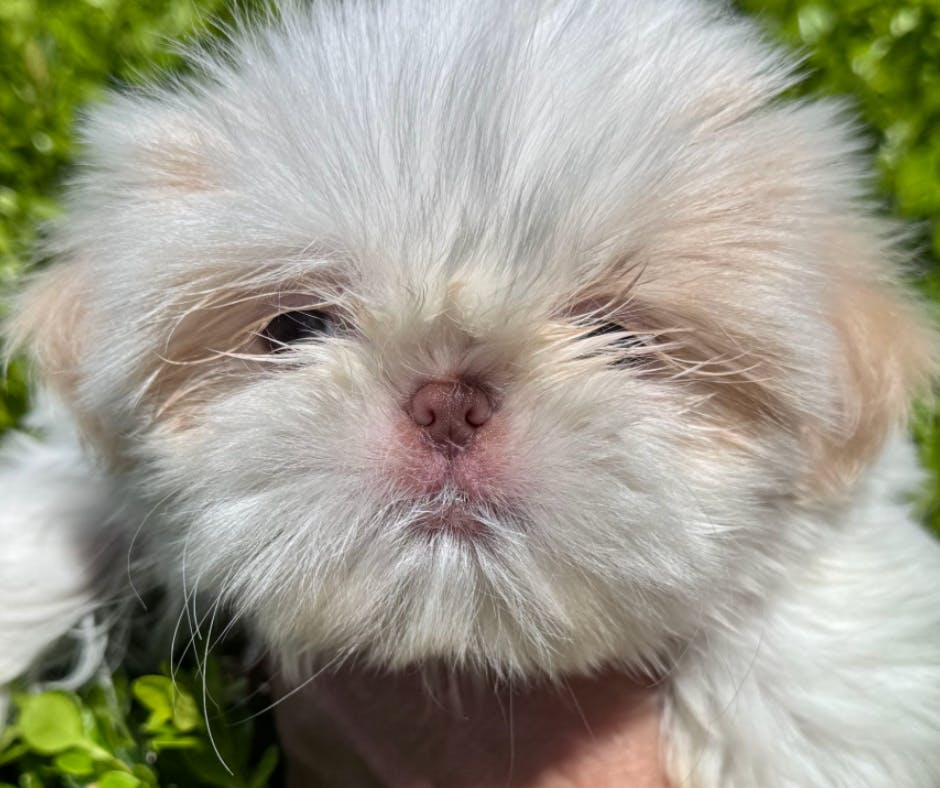
The Shih Tzu’s origins trace back to Tibet, where small dogs were bred in Buddhist monasteries and often given as gifts to Chinese royalty. Chinese emperors kept them as treasured palace companions, and legend says they were bred to warm the feet of royalty and alert them to visitors. The breed was refined in China and nearly went extinct after the Chinese Communist Revolution due to their association with the imperial family and nobility. A small group of 14 dogs, seven males and seven females, became the foundation for reviving the breed.
Unlike their Lhasa Apso cousins, who retained more of their watchdog instincts, Shih Tzus were bred purely for companionship and affection.
- Lifespan: 10-18 years
- Grooming: Daily brushing for long coat; shorter trims optional.
- Size: About 9-16 pounds
The West Highland White Terrier: Scotland's courageous little hunter.
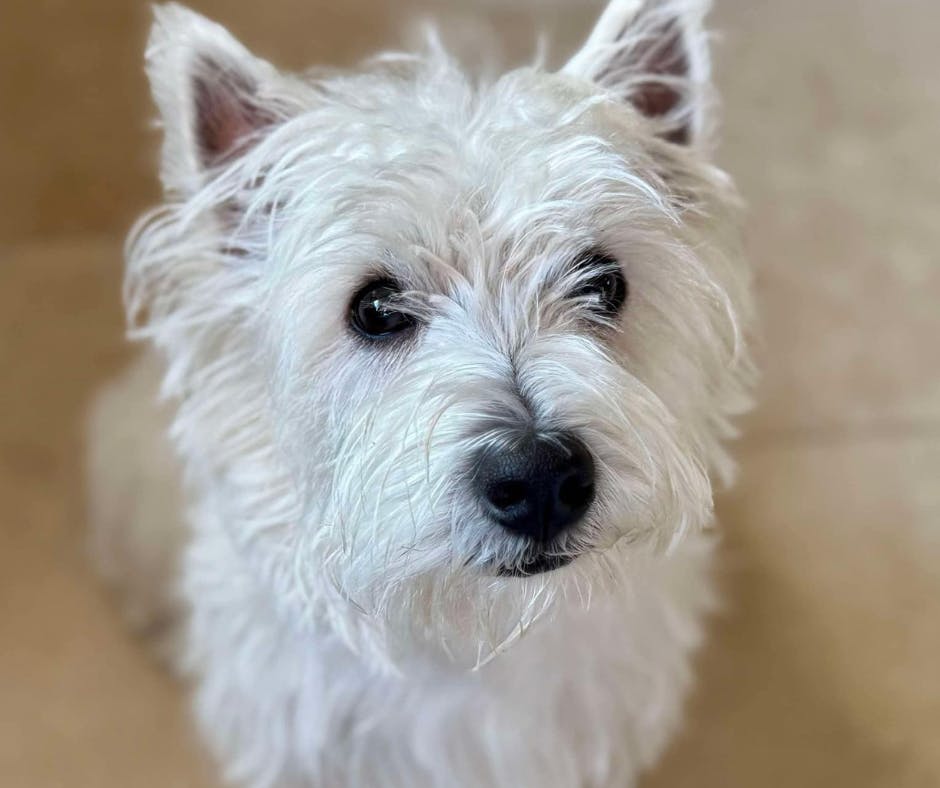
Image: Winchester West Highlands
Scotland's fearless little white terrier, affectionately known as the "Westie," was bred to hunt small game like rats and badgers. Legend says they were purposefully bred to be white after one of the breed's founders, Colonel Edward Malcolm, was hunting with his reddish-brown terrier, which was shot after being mistaken for a fox. Their look is more distinct than other little white dog breeds, with pointed ears and a tail that stands straight up. The breed was initially known by different names, such as the Poltalloch Terrier or Roseneath Terrier, until they were officially recognized in 1907.
- Lifespan: 13-15 years
- Grooming: Regular brushing several times per week, periodic hand-stripping or trimming recommended.
- Size: About 9-16 pounds
So while these “little white dogs” share some crossover in ancestry, temperament, and certainly appearance, each one is a small snapshot of a moment in time. They are walking artifacts, carrying centuries of history shaped by the people, culture, and geography that led to their being.
Ready to find your new best friend?
Download the Good Dog app and jump into your puppy search.